
Zune — Microsoft's media player, software and marketplace
Zune was Microsoft’s integrated digital media platform: a line of portable players, Windows desktop software and an online Marketplace for music, video and podcasts during the mid‑2000s to early 2010s.
Overview
Zune was an integrated entertainment platform from Microsoft that combined dedicated portable media players, desktop software and an online storefront. It aimed to provide a single ecosystem for buying, syncing and playing music, videos and podcasts across devices and some Microsoft consoles and phones.
Image gallery
3 Images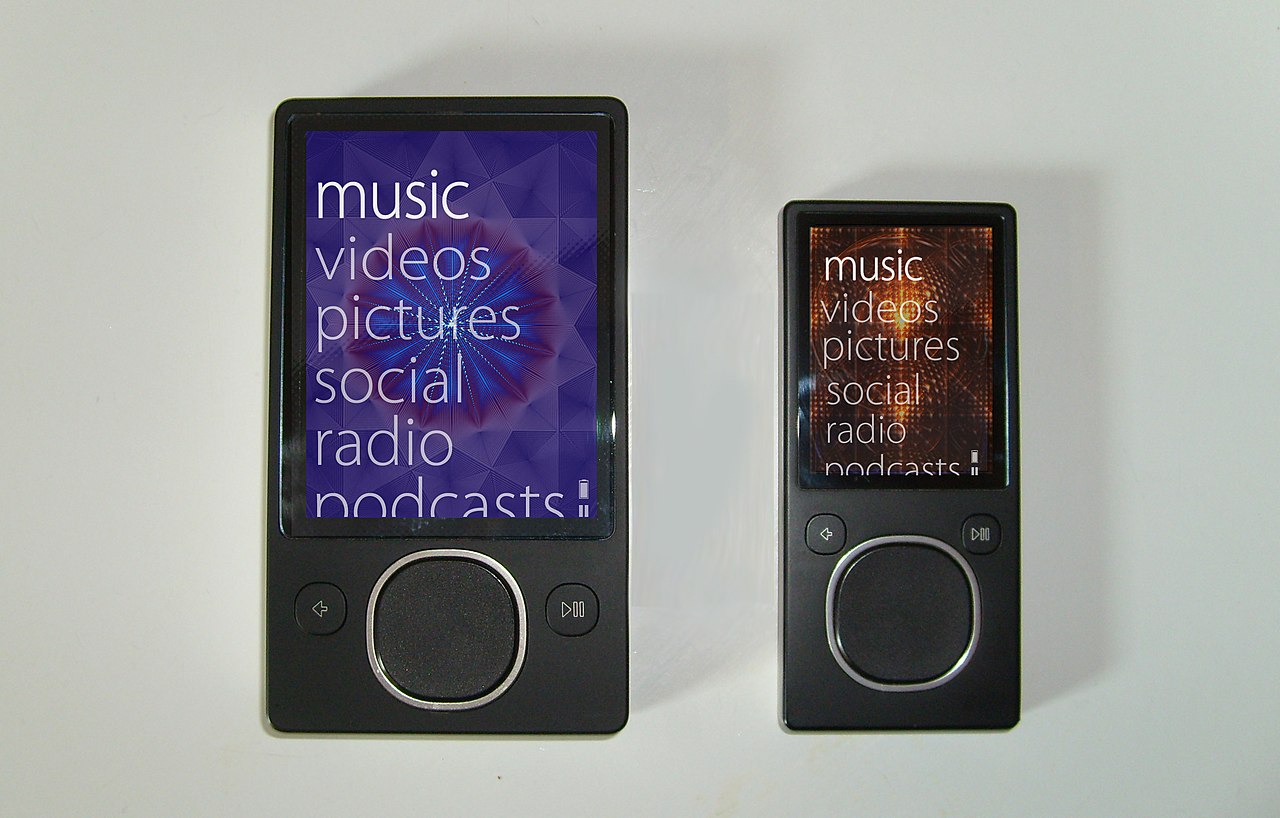


Hardware and software characteristics
Early Zune devices used hard drives for large music collections; later models moved to flash memory and touchscreen designs. Typical features included audio and video playback, photo viewing, FM radio on some units, USB sync and wireless sharing between nearby Zune devices. The desktop component, often called Zune software, handled library management, device synchronization and access to the online store.
Models and features
- Zune 30 and subsequent larger‑capacity players — hard drive based.
- Flash‑based players with lower capacity and smaller size.
- Zune HD — a touchscreen model with upgraded display and UI.
- Supported features: playlists, podcasts, album art, and limited wireless sharing.
History and development
Introduced in the mid‑2000s as Microsoft’s answer to competing portable players, Zune evolved from a hardware product family into a broader service offering. Over its lifetime the platform included an online storefront and subscription options. Microsoft eventually shifted its media strategy, folded parts of Zune into other services, and phased out dedicated hardware in the early 2010s. Zune was developed by Microsoft and tied into the company’s wider entertainment efforts, including console integration via Xbox products and phone collaborations with Microsoft partners.
Marketplace and services
The Zune Marketplace provided paid downloads of music and video as well as podcast directories and later subscription access. It integrated with the Zune desktop software so purchases and subscriptions could be synced to devices. The store also interoperated to some degree with other Microsoft entertainment systems and promoted device features through bundled content and curated lists. For more technical or contemporary overviews see resources about the Zune service Marketplace and the official Microsoft pages about the company.
Legacy and notable facts
Zune is remembered for a distinct user interface, social sharing experiments and a devoted niche of users and collectors after official support waned. Although it did not achieve the market dominance of some rivals, it influenced later Microsoft media initiatives and remains of interest to historians of portable media and digital distribution. Enthusiast communities and archival projects preserve documentation and software for those studying the platform today.
Related articles
Author
AlegsaOnline.com Zune — Microsoft's media player, software and marketplace Leandro Alegsa
URL: https://en.alegsaonline.com/art/110766
Sources
- seattlepi.com : "Software Notebook: Microsoft, others tap music veterans"