
Zorro: the Masked Vigilante of Spanish‑Era California
Zorro is a fictional masked hero, created in 1919, who defends the oppressed in Spanish‑era California. The character influenced adventure fiction, film, and later comic book heroes.
Overview
Zorro—a name derived from the Spanish word for fox—appears as a clever, masked defender of ordinary people in Spanish‑era California. The figure operates in secret, using disguise, guile and swordsmanship to oppose corrupt officials and protect the vulnerable. Readers and audiences have encountered Zorro in serialized fiction, novels, films, radio, television and comics.
Image gallery
10 Images





Character and traits
The hero’s public identity is usually Don Diego de la Vega, a member of the local gentry who cultivates a foppish or scholarly persona to conceal his activities as Zorro. The masked persona is known for dramatic flourishes and a small set of iconic elements:
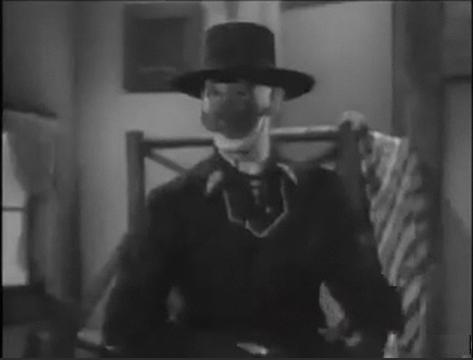
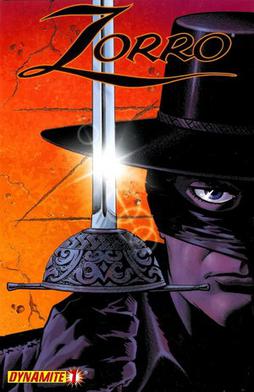
- Appearance: black mask and cape, wide‑brimmed hat, and dark riding clothes.
- Weapons and style: expert with a rapier or small sword and often a whip; renowned for speed and precision.
- Signature mark: the carved "Z" made with three quick strokes of his blade.
- Allies and tools: a trusted steed, covert helpers or a mute companion in some versions, and a hidden lair or safehouse.
Origins and major adaptations
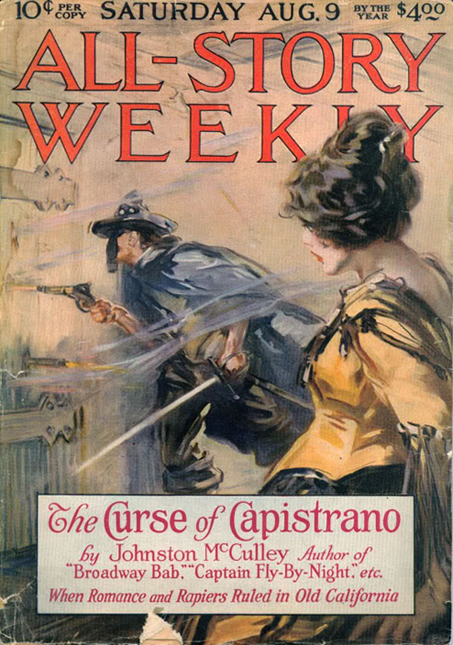
The character was created by pulp writer Johnston McCulley in a 1919 story. Early popularity was bolstered by film adaptations and serials that brought Zorro to a wider audience. Notable cinematic retellings and serials established visual tropes now widely associated with the figure. For background on the name and language, see Spanish for fox, and for the name’s usage in fiction see the name 'Zorro'.
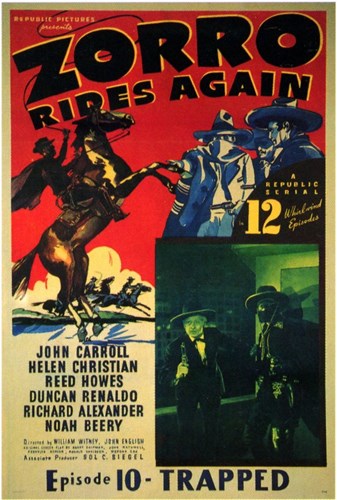
Adaptations span media and decades, including silent and sound films, television series, comic strips and graphic novels. For summaries of screen versions and serials, consult resources on classic serial and film adaptations and regional histories that discuss the Mexican‑Californian setting.
Legacy and cultural significance
Zorro helped codify the masked, double‑identity hero whose private civility conceals public daring. The archetype influenced later superheroes and adventure protagonists, and Zorro remains a recurring symbol of resistance to injustice in popular culture. Interpretations range from swashbuckling adventure to social commentary about colonial power and local rights.
Distinctions and notable facts
- The core concept emphasizes cunning and moral purpose rather than brute force.
- Different creators and producers have reimagined Diego’s background, methods and companions, producing both faithful and radically updated versions.
- Zorro’s enduring appeal lies in combining theatrical showmanship with defense of ordinary people under oppressive rule.
Related articles
Author
AlegsaOnline.com Zorro: the Masked Vigilante of Spanish‑Era California Leandro Alegsa
URL: https://en.alegsaonline.com/art/110733