
18 til I Die (Bryan Adams album)
1996 studio album by Canadian singer-songwriter Bryan Adams, co-produced with Robert 'Mutt' Lange; noted for a more direct rock sound, several international singles and a major supporting tour.
18 til I Die is a studio album by the singer-songwriter Bryan Adams, released in 1996. Co-produced with Robert "Mutt" Lange, the record moved toward a more direct, guitar-driven rock approach while retaining melodic hooks and radio-friendly songwriting. The album blends straightforward rock arrangements with traces of blues and rhythm-and-blues, aiming for an energetic, live-band feel in both performance and production.
Image gallery
1 Image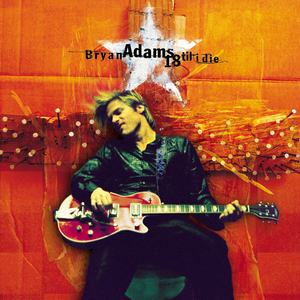
Overview and musical style
The musical character of the album emphasizes driving guitars, syncopated rhythms and prominent choruses. Compared with some of Adams's earlier work that leaned heavily on balladry and polished pop production, this project is often described as rawer and more immediate. Songs on the record range from uptempo rockers to mid-tempo numbers that incorporate bluesy phrasing and roots-rock textures.
Production and collaborators
Adams again partnered with Robert "Mutt" Lange, whose production style contributed layered vocal harmonies, tight arrangements and a focus on punchy, radio-ready dynamics. The collaboration followed their prior work together and sought to balance studio precision with the spontaneity of live performance. Long-time touring musicians and session players contributed to the organic sound, giving the album a band-oriented presence rather than a purely studio-crafted sheen.
Key tracks and singles
- "18 til I Die" – the title track and thematic anchor for the record.
- "The Only Thing That Looks Good on Me Is You" – an uptempo, riff-driven single that received considerable airplay.
- "Let’s Make a Night to Remember" – a melodic mid-tempo song frequently included in live setlists during the supporting tour.
These songs were issued as singles and supported by music videos and radio promotion in multiple territories, helping the album reach a broad international audience.
Release, promotion and touring
The album was promoted through traditional media campaigns and an extensive concert tour that brought the material to arenas and larger venues. Live performances emphasized the record’s rock orientation, often featuring extended band arrangements of album tracks and crowd-focused, anthemic choruses.
Reception and legacy
Critical response ranged from praise for the return to a grittier rock sound to more measured appraisals that compared the album with Adams’s earlier chart-topping ballads. Over time, the record has been regarded as a statement of intent to prioritize rock energy within Adams's broader pop-rock career. It reinforced his presence on the international rock scene and supplied repertoire for subsequent compilations and live releases.
Context and further information
Placed within the wider context of 1990s rock, the album reflects contemporary tendencies to blend classic rock influences with modern production techniques. For information about the artist’s origins and career background see sources on Canadian music and popular songwriters. Editions of the album issued in different markets sometimes included alternate track listings or bonus material tailored to regional releases.
Related articles
Author
AlegsaOnline.com 18 til I Die (Bryan Adams album) Leandro Alegsa
URL: https://en.alegsaonline.com/art/111881
Sources
- bpi.co.uk : "BPI Certifications"
- everyhit.com : "British Album Chart"
- australian-charts.com : "Australian Chart"
- aria.com.au : "ARIA Certifications"
- austriancharts.at : "Austrian Chart"
- ifpi.at : "IFPI Austria"
- hitparade.ch : "Swiss Chart"
- hitparade.ch : "Swiss Certifications"
- finnishcharts.com : "Finnish Chart"
- musikindustrie.de : "German certifications"
- charts-surfer.de : "German Chart"
- cria.ca : "CRIA Certifications"
- collectionscanada.gc.ca : "Canadian Chart"
- swedishcharts.com : "Swedish Chart"
- ultratop.be : "Belgian Album Chart"