
Judith Miller (journalist)
American reporter known for national security coverage at The New York Times; her pre- and post‑2003 Iraq reporting and role in the Valerie Plame case generated intense public debate.
Judith Miller (born January 2, 1948) is an American journalist who spent decades as a national security and intelligence reporter, most prominently at The New York Times. Her work on weapons, proliferation and Middle East issues made her a visible figure in coverage of Iraqi weapons of mass destruction (WMD) and related policy debates. After leaving the Times she contributed to conservative media outlets.
Image gallery
2 Images
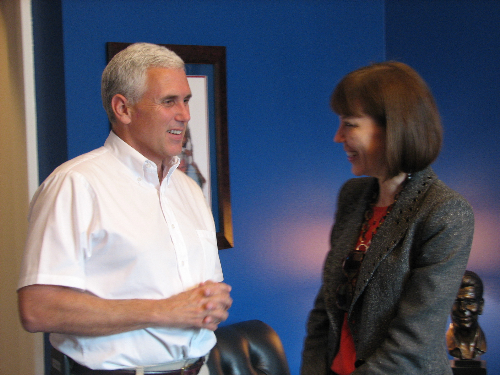
Career and reporting focus
Miller built a reputation covering sensitive national security topics and often reported from the perspective of official sources, correspondents and analysts. She worked as a staff reporter for The New York Times until her departure in 2005 and later contributed commentary and writing to broadcast and print outlets aligned with conservative audiences. Her reporting frequently addressed weapons proliferation, intelligence assessments and U.S. foreign policy.
Iraq, WMD reporting and controversies
In the run-up to and aftermath of the 2003 invasion of Iraq, Miller authored several high‑profile articles about Iraq's alleged WMD programs. Many readers and commentators later criticized those pieces because key assertions in them were found to be inaccurate or unsupported by later intelligence reviews. Critics argued that the articles relied too heavily on anonymous official sources and unverified accounts from defectors and exiles. Supporters pointed to the complex intelligence environment and the pressure on journalists to report competing claims.
The Valerie Plame affair and legal confrontation
Miller became a central figure in the public discussion about press protections and grand jury subpoenas during the investigation into the leak of CIA officer Valerie Plame's identity. She declined at first to disclose confidential sources to the investigating prosecutor and was jailed for a period for contempt of court before later testifying after receiving a limited waiver from a source. The episode raised questions about reporter privilege, source confidentiality, and the balance between national security probes and a free press.
Later career and legacy
Following her departure from The New York Times, the paper conducted internal reviews and published reflections and corrections about its Iraq coverage; these reviews and public debate contributed to broader reassessments of source verification and editorial oversight in national security reporting. Miller went on to write and comment for other outlets, attracting both defenders who emphasize the difficulties of reporting on secretive programs and critics who view her work as emblematic of journalistic shortcomings in the lead‑up to the Iraq war.
Notable facts and distinctions
- Her reporting became a focal point in discussions about intelligence failures before the 2003 Iraq war and about the responsibilities of both journalists and government officials.
- Miller's reliance on anonymous sources and government officials is often cited in debates over media standards and verification practices.
- Her experience in the Valerie Plame investigation is frequently referenced in legal and journalistic discussions of reporter privilege.
For further context on her career and the controversies surrounding her reporting, see a general profile and contemporary coverage of her coverage of Iraq's WMD program.
Related articles
Author
AlegsaOnline.com Judith Miller (journalist) Leandro Alegsa
URL: https://en.alegsaonline.com/art/123070
Sources
- nymag.com : "The Source of the Trouble"
- nymag.com : The Source of the Trouble
- slate.com : The Right To Be Wrong
- salon.com : "Judith Miller: From the Times to the nuts"