
Zard: Japanese pop act led by Izumi Sakai
Zard was a Japanese pop project centered on singer-lyricist Izumi Sakai. This article summarizes the act’s history, musical style, notable songs and Sakai’s life, illness and legacy.
Overview
Zard is the stage name for a Japanese pop project best known for singer and lyricist Izumi Sakai. Often categorized as J-pop, Zard operated more as a recording project than a fixed band: publications variously describe it as a music group centered on Sakai. She performed as lead vocalist and wrote most of the lyrics, while arrangers, composers and session musicians supplied instrumental backing.
Image gallery
1 Image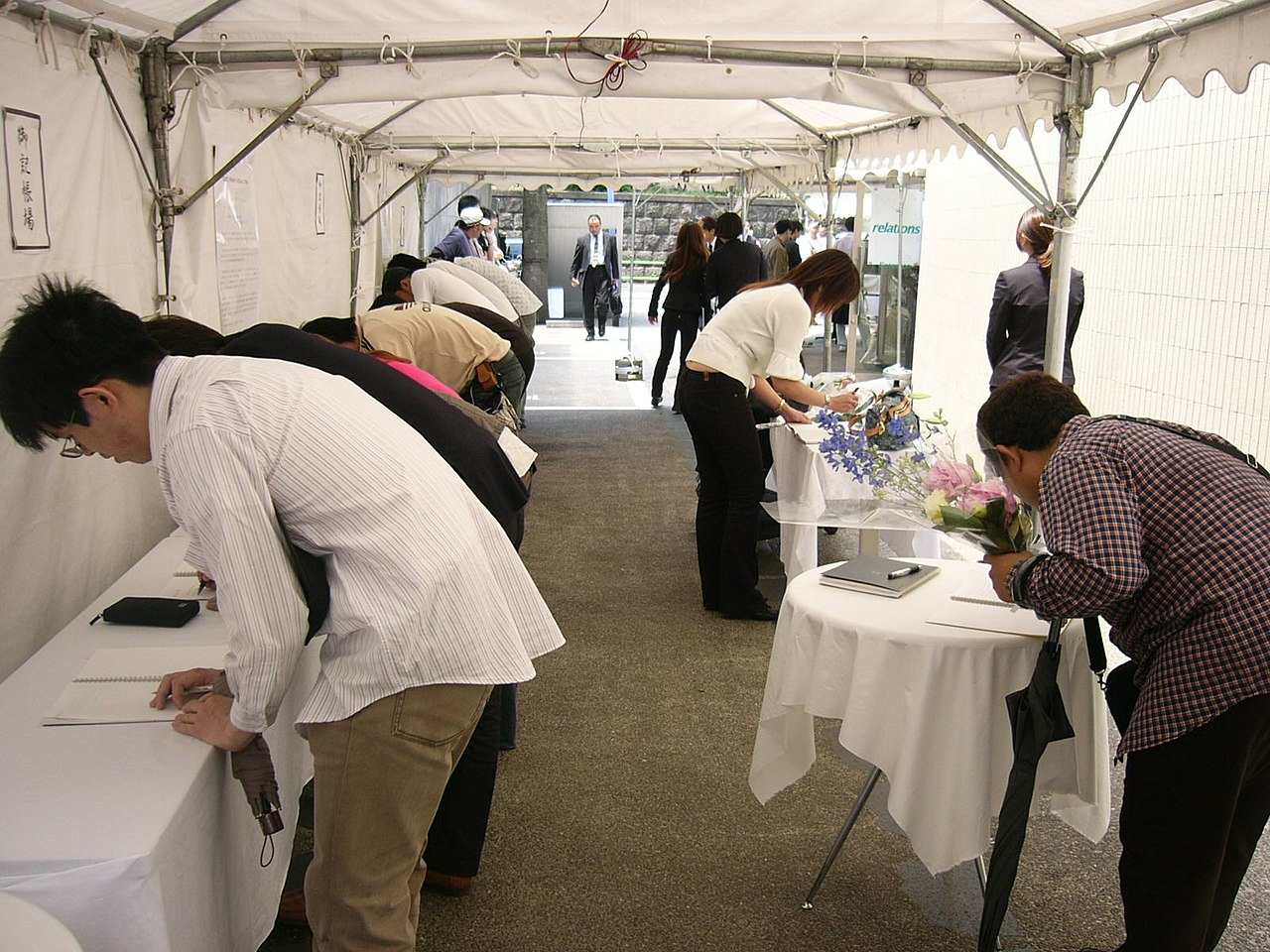
Style and production
Zard’s recordings are known for clear melodic lines, polished pop-rock arrangements and emotionally direct lyrics. The production typically emphasized Sakai’s voice and concise song structure. Unlike many contemporaries, the project made relatively few appearances on television, and Sakai maintained a low public profile; this contrast between popularity and limited media exposure contributed to a distinctive public image.
Career highlights and notable songs
Zard debuted in the early 1990s and achieved sustained chart success through that decade. Among the best-known songs is the encouraging anthem Makenaide, frequently cited when discussing the act’s cultural impact; general references to Zard’s most famous songs often list that track first. Other singles and album cuts became staples of radio and compilation releases, helping to keep the catalogue in circulation long after initial release.
Members and collaborators
Although Sakai was the permanent face and creative anchor, other contributors changed frequently. Composers, producers and session players handled instrumentation and arrangements; many worked behind the scenes and were credited on records rather than being stable public members. This rotating approach allowed a range of musical textures across Zard’s releases.
Izumi Sakai: life and biography
Izumi Sakai was born in Fukuoka on February 6, 1967. Her stage name became widely known; her birth name is sometimes given in sources as Sachiko Kamachi. During her life she sought medical care at a hospital for serious health issues and reports indicate she was treated for cervical cancer among other conditions.
Death and aftermath
Izumi Sakai died on May 27, 2007, at the age of 40. Her passing prompted widespread attention to Zard’s recordings; sales and streaming of the catalogue surged and several commemorative compilations and reissues followed. Fans and critics noted her role in shaping a particular strain of 1990s Japanese pop songwriting.
Legacy
Zard is remembered for concise pop songwriting, emotive vocals and a strong catalogue of singles and albums that continue to be compiled and reissued. The project serves as an accessible example of mainstream Japanese pop-rock from the 1990s, and Sakai’s lyrics and delivery have influenced later songwriters and performers. For listeners exploring the era, Zard’s work remains a useful entry point.
Further notes
- Though not a conventional band, Zard achieved sustained commercial success through recorded output and hit singles.
- Several best-of compilations have preserved and reintroduced key tracks to new listeners.
- The limited televised presence of the act helps explain the enduring curiosity about Sakai’s career and the project’s production methods.
Related articles
Author
AlegsaOnline.com Zard: Japanese pop act led by Izumi Sakai Leandro Alegsa
URL: https://en.alegsaonline.com/art/110409