
Fukuoka: Port City and Cultural Hub on Kyushu, Japan
Concise guide to Fukuoka: geography, history, landmarks, economy, transport, culture, food and administrative role as capital of Fukuoka Prefecture and a designated city.
Overview
Fukuoka is the largest city on the island of Kyushu and the capital of Fukuoka Prefecture. Located on Hakata Bay, it serves as a regional commercial, cultural and transport gateway between Japan and the Asian mainland. The modern urban area blends business districts, waterfront parks and older neighborhoods that reflect the city’s long role as a port and point of cultural exchange.
Image gallery
10 Images





Geography and layout
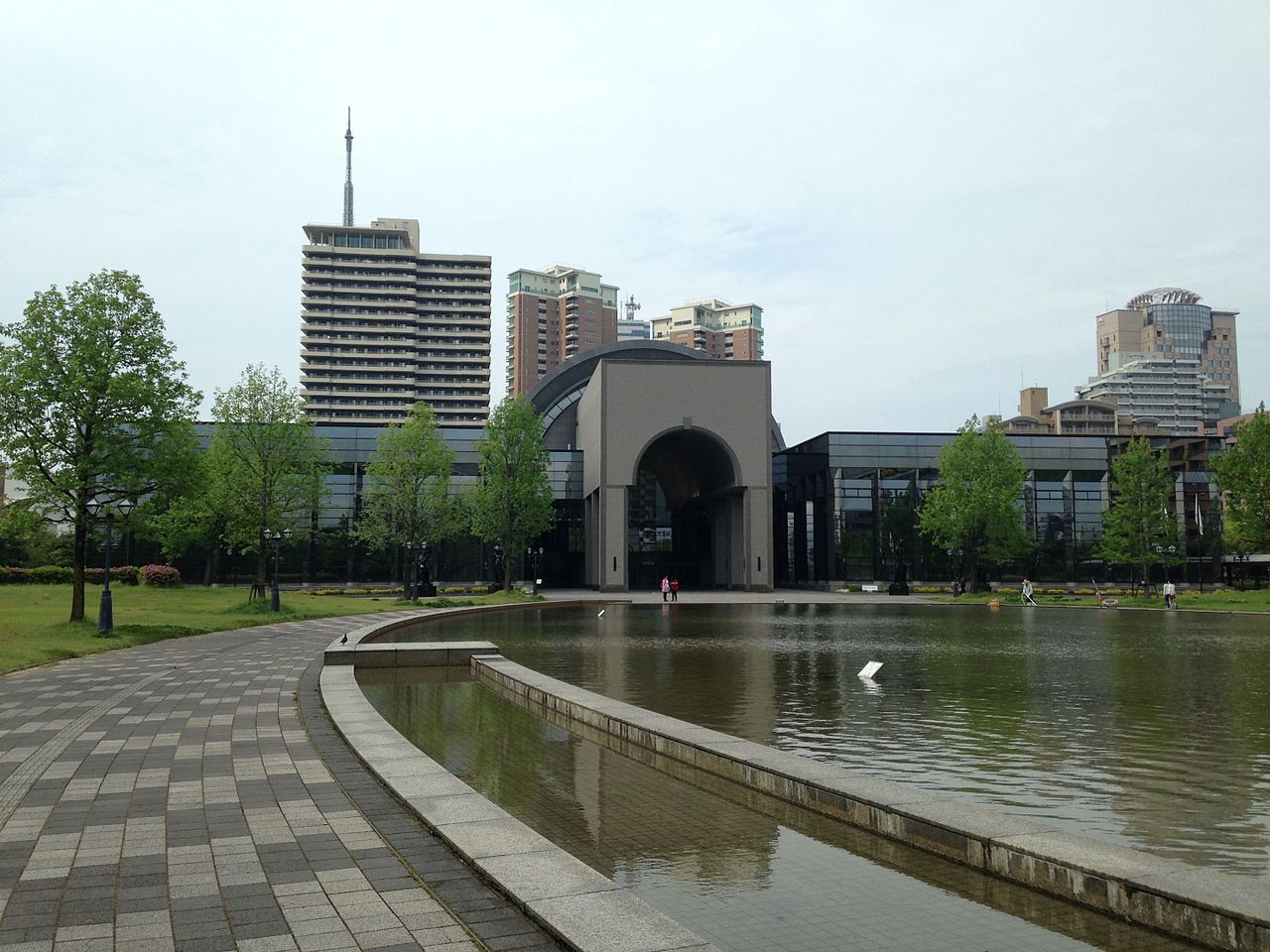
The city sits along a sheltered bay and has compact central wards with easy access to seaside promenades and green spaces such as Ohori Park and Maizuru Park. Residential zones and shopping areas spread outward from major rail hubs, while the airport is unusually close to the urban core, making Fukuoka particularly accessible.
History and identity
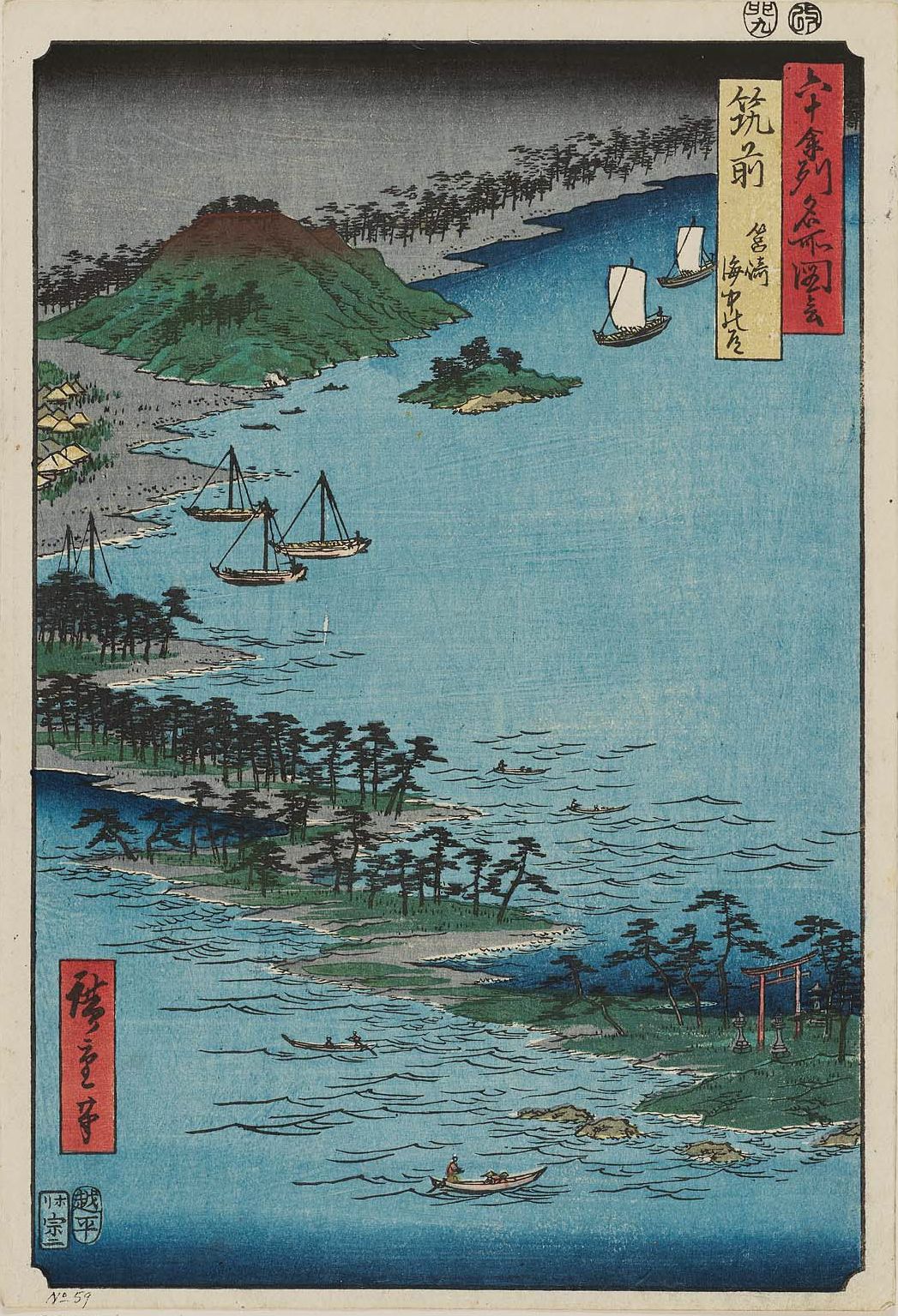
Fukuoka grew from historically distinct communities around a castle town and a merchant port. Over time those urban centers merged and developed a shared identity that combines local tradition and outward-looking trade ties with Korea and China. The municipal government has held designated-city status since 1992, which grants expanded administrative powers.
Landmarks and culture
- Historic sites: remnants of Fukuoka Castle and several temple precincts.
- Modern attractions: Canal City Hakata, Fukuoka Tower and waterfront promenades.
- Festivals and arts: the Hakata Gion Yamakasa and local museums reflect lively community traditions.
Economy and transport
Fukuoka is an economic hub for northern Kyushu with strengths in logistics, retail, services and a growing technology and startup scene. Hakata Station is a major rail hub, including Shinkansen services, and the city’s airport offers both domestic and international flights, supporting quick links across Japan and to East Asia. For official travel and planning information consult local government and transport pages such as municipal resources and regional transport guides.
Food, visitors and administration
The city is renowned for its food culture, especially Hakata-style ramen and outdoor yatai stalls that serve ramen and other casual dishes. Administratively, Fukuoka is divided into wards that handle local services and planning. Visitors benefit from compact transit, varied cultural offerings and a coastal setting that makes Fukuoka both a practical regional hub and an attractive destination for short stays.
Related articles
Author
AlegsaOnline.com Fukuoka: Port City and Cultural Hub on Kyushu, Japan Leandro Alegsa
URL: https://en.alegsaonline.com/art/36934
Sources
- books.google.com : "Fukuoka"
- hindawi.com : "Japan's Evolving Nested Municipal Hierarchy: The Race for Local Power in the 2000s,"
- hindawi.com : Table 1 [PDF 6 of 14]
- doi.org : doi:10.1155/2011/692764
- travel.nytimes.com : "Uncovering the Secrets of Fukuoka,"