
Zapatista Army of National Liberation (EZLN)
The EZLN is an indigenous-led political and armed movement in Chiapas, Mexico, advocating indigenous rights, autonomy, libertarian socialism and sustainability, best known for its 1994 uprising.
Overview
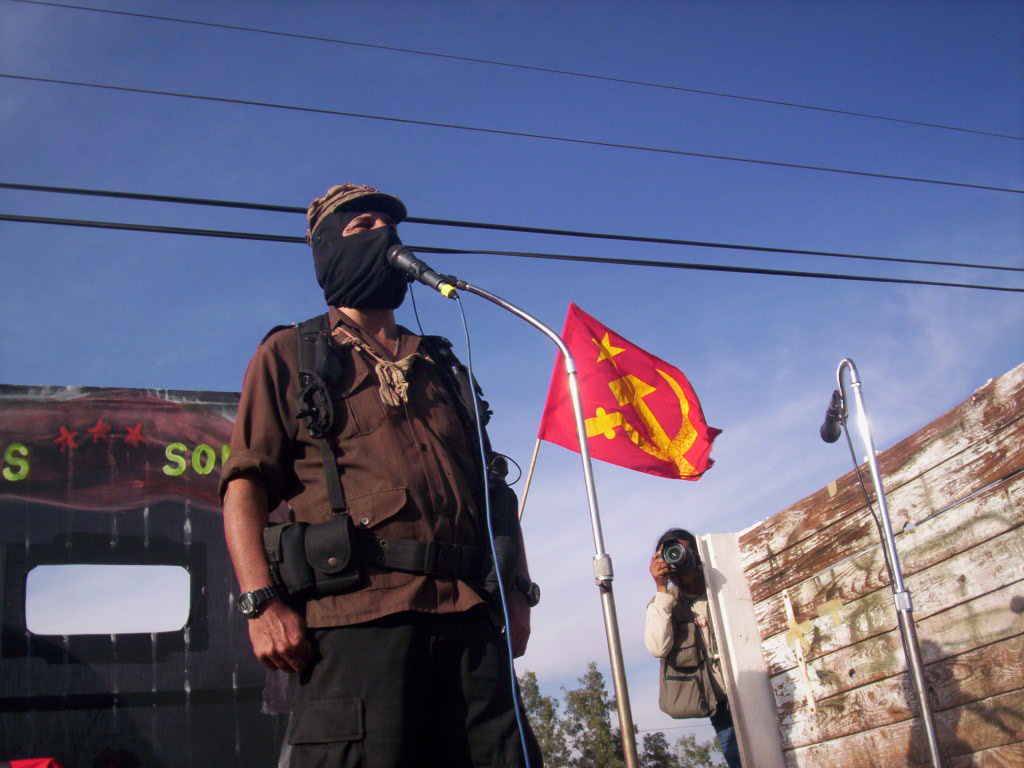
The Zapatista Army of National Liberation, commonly called the Zapatistas or EZLN, is a political and armed movement that emerged among indigenous communities in southern Mexico. Its Spanish name, Ejército Zapatista de Liberación Nacional, reflects its connection to agrarian and social struggles. Often described as a militant and political organization, the EZLN is primarily based in the highlands and jungles of Chiapas, where it has combined community organizing, armed resistance and public advocacy since the late 20th century.
Image gallery
10 Images




Goals and ideology
The movement articulates demands for indigenous rights, local autonomy, social justice, gender equality and environmental stewardship. Its politics draw on a blend of libertarian socialist ideas, indigenous governance traditions and anti-neoliberal critique. The label "Zapatista" honors Emiliano Zapata, an agrarian leader associated with land reform during the Mexican Revolution, and signals a continuity with rural-based struggles for land and dignity rather than strict adherence to a single doctrine.
Organization and methods
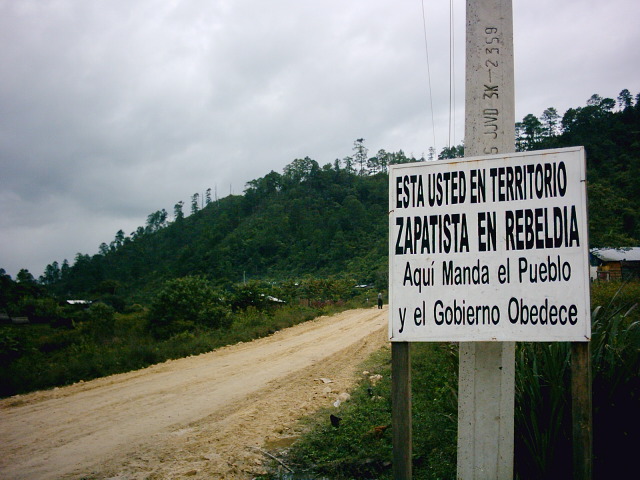
EZLN decision-making emphasizes grassroots participation and collective leadership among indigenous communities. While the movement maintains an armed capacity, much of its work focuses on parallel civil institutions: local councils, autonomous municipalities and cooperative projects in education, health and agriculture. Public communications and a prominent spokesperson helped the group gain national and international attention, while its internal structure remains deliberately decentralized to reflect local autonomy.
History and key events
The EZLN formed in the 1980s and came to worldwide notice with an armed uprising launched in 1994, timed to coincide with the implementation of major economic changes in Mexico. That uprising led to negotiations with the federal government and a sequence of accords and political interventions. In subsequent years the Zapatistas shifted emphasis toward building autonomous institutions on the ground and engaging in national and global political networks, even as many formal agreements with authorities remained contested or only partially implemented.
Principles, programs and public presence
- Autonomy: creation of self-governing municipalities and local decision-making bodies.
- Social programs: community schools, clinics and cooperatives organized by local assemblies.
- Gender and inclusion: internal commitments and pronouncements addressing women’s rights and local equality.
- Environmental care: emphasis on sustainable agriculture and protection of communal land.
These practical measures are paired with a visible political message that has engaged intellectuals, activists and solidarity networks around the world. The Zapatistas have become an influential case study for movements seeking alternatives to centralized state control and neoliberal economic policies.
Distinctions and legacy
Distinct from many conventional guerrilla groups, the EZLN combined limited armed action with extensive community-level institution building and media-savvy political outreach. Its legacy includes renewed public attention to indigenous claims in Mexico, experimentation with autonomous governance models, and a durable presence in Chiapas. While its trajectory remains contested and evolves with local realities, the Zapatistas continue to be cited in debates about rights, local democracy and grassroots alternatives to dominant economic models.
For further reading on its name, context and historical references see related entries: Spanish name, organizational profile, regional setting in Chiapas, Emiliano Zapata and the Mexican Revolution.
Related articles
Author
AlegsaOnline.com Zapatista Army of National Liberation (EZLN) Leandro Alegsa
URL: https://en.alegsaonline.com/art/110393
Sources
- commons.wikimedia.org : Ejército Zapatista de Liberación Nacional
- anarchyinaction.org : "Zapatista-run Chiapas - Anarchy in Action"