
Emiliano Zapata: Mexican revolutionary leader and advocate of agrarian reform
Emiliano Zapata (1879–1919) led peasant forces in the Mexican Revolution, promoted land redistribution through the Plan de Ayala, and remains a potent symbol of agrarian rights and popular struggle.
Overview
Emiliano Zapata Salazar was a leading figure in the Mexican Revolution (1910–1920) and a central voice for rural campesinos. Born in Anenecuilco, Morelos, in 1879, Zapata became famous for demanding access to land and local autonomy for peasants. He led the insurgent Zapatista movement and is remembered for his uncompromising stance on agrarian justice and the rallying cry often paraphrased as "Tierra y Libertad".
Image gallery
10 Images


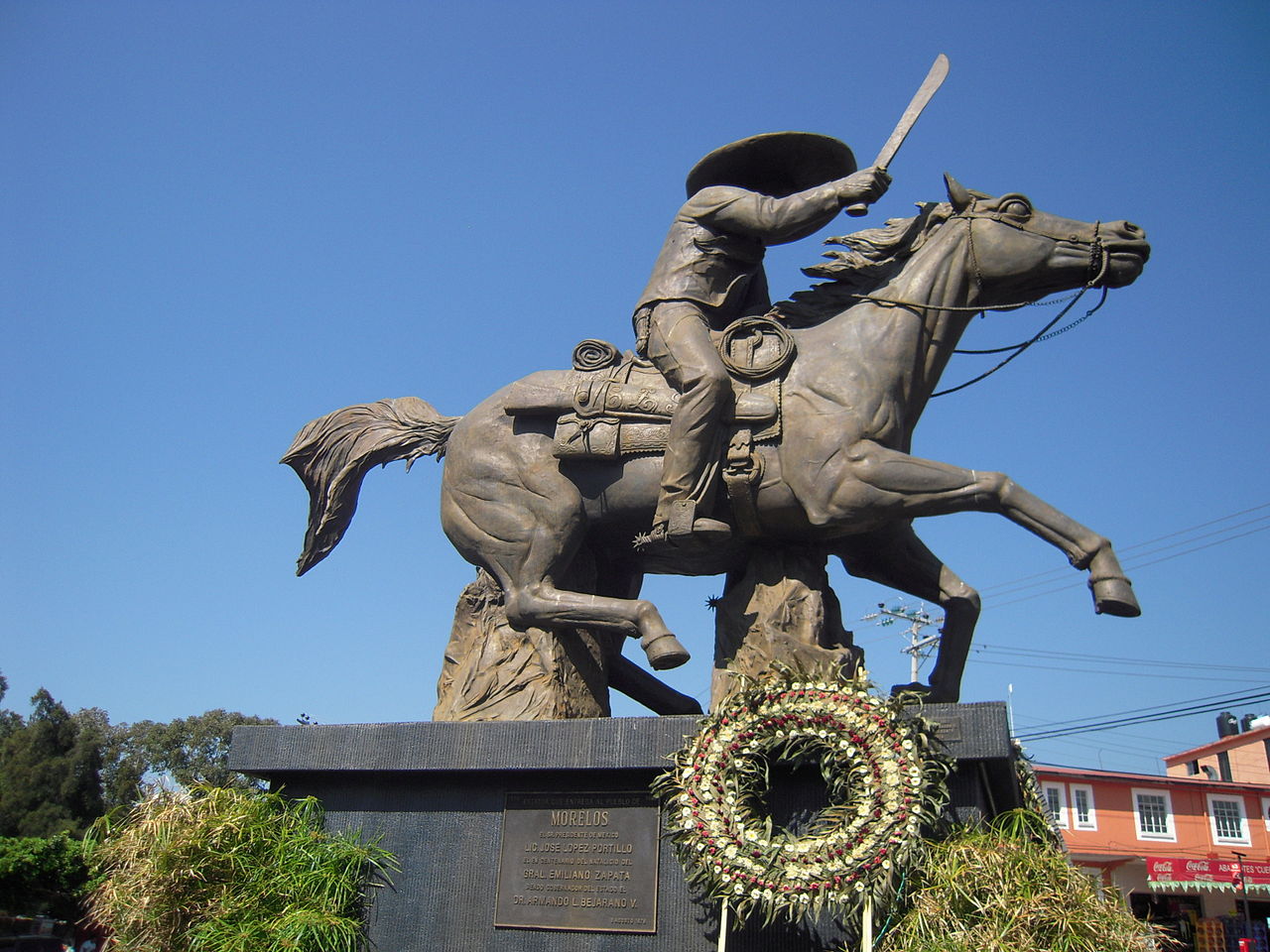




Early life and rise
Zapata grew up in a rural community of mixed Nahua and Spanish ancestry and was one of ten children. Working his way through local disputes over communal lands, he developed a reputation as an effective organizer and defender of village rights. When the nationwide unrest of 1910 erupted, Zapata and his followers in Morelos mounted armed resistance against the established regime and later against political leaders who failed to carry out promised land reforms.
Political program and the Plan de Ayala
Frustrated by unfulfilled promises from successive governments, Zapata issued the Plan de Ayala, a formal manifesto that called for the restitution of lands seized from rural communities and for redistribution to landless peasants. His program emphasized local control, restoration of communal holdings, and punishment for those who had usurped ejidos. The Plan de Ayala became a touchstone for agrarian movements during and after the revolution.
Methods and organization
Zapata led a largely peasant militia that relied on intimate local knowledge of Morelos terrain, popular support, and decentralized command. His movement favored collective ownership and local decision-making over centralized state authority. While military in nature, the Zapatistas combined armed action with political declarations and alliances with other revolutionary factions when interests aligned.
Death and immediate aftermath
In 1919 Zapata was killed after being lured into what was presented as negotiations and then ambushed by government forces. His death did not end the agrarian cause he championed; instead, it transformed him into a martyr whose ideals continued to influence revolutionary debates and policy-making.
Legacy and cultural impact
Zapata is widely regarded in Mexico as a symbol of rural resistance and social justice. His advocacy influenced the agrarian provisions that later appeared in the 1917 Mexican Constitution and inspired subsequent movements that sought land reform and indigenous rights. Artists, writers, and political movements have invoked his image and words; his name also figures in later groups that adopted the Zapatista label. For an overview of the broader conflict he was part of, see the Mexican Revolution.
- Key ideas: land restitution, communal rights, local autonomy.
- Notable document: Plan de Ayala — agrarian manifesto.
- Enduring symbol: martyrdom for peasant rights and social reform.
Related articles
Author
AlegsaOnline.com Emiliano Zapata: Mexican revolutionary leader and advocate of agrarian reform Leandro Alegsa
URL: https://en.alegsaonline.com/art/31161