
Jade: minerals, properties, history and cultural significance
Jade is a term for two distinct minerals—nephrite and jadeite—valued for toughness and beauty. This article explains their composition, physical traits, history, cultural uses, and how they are identified and traded.
Overview: Jade is the common name for two different minerals that have been prized as ornamental and functional stone for millennia. The word covers both jadeite and nephrite, which look similar to the eye but differ chemically and structurally. Both have been worked into tools, jewelry and ritual objects across Eurasia, the Americas and Oceania.
Image gallery
10 Images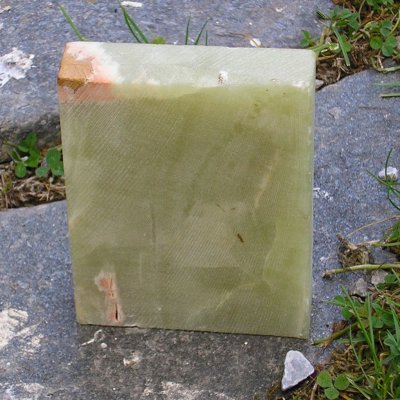




Composition and physical characteristics
Chemically, jadeite is a pyroxene with the ideal formula NaAlSi2O6, while nephrite belongs to the amphibole group with a general composition close to Ca2(Mg,Fe)5Si8O22(OH)2. In practical terms: jadeite tends to display a broader palette of colors (including vivid greens, lavender, white, and black) and can be more translucent. Nephrite is typically found in shades of green, gray and brown.
Two practical differences affect use and value. Nephrite is renowned for its exceptional toughness—resistance to breaking and chipping—because of its tightly interlocking fibrous structure. Jadeite generally registers a higher hardness on the Mohs scale and can achieve greater translucency and richer color, which often commands higher market prices for top-quality specimens.
History and cultural importance
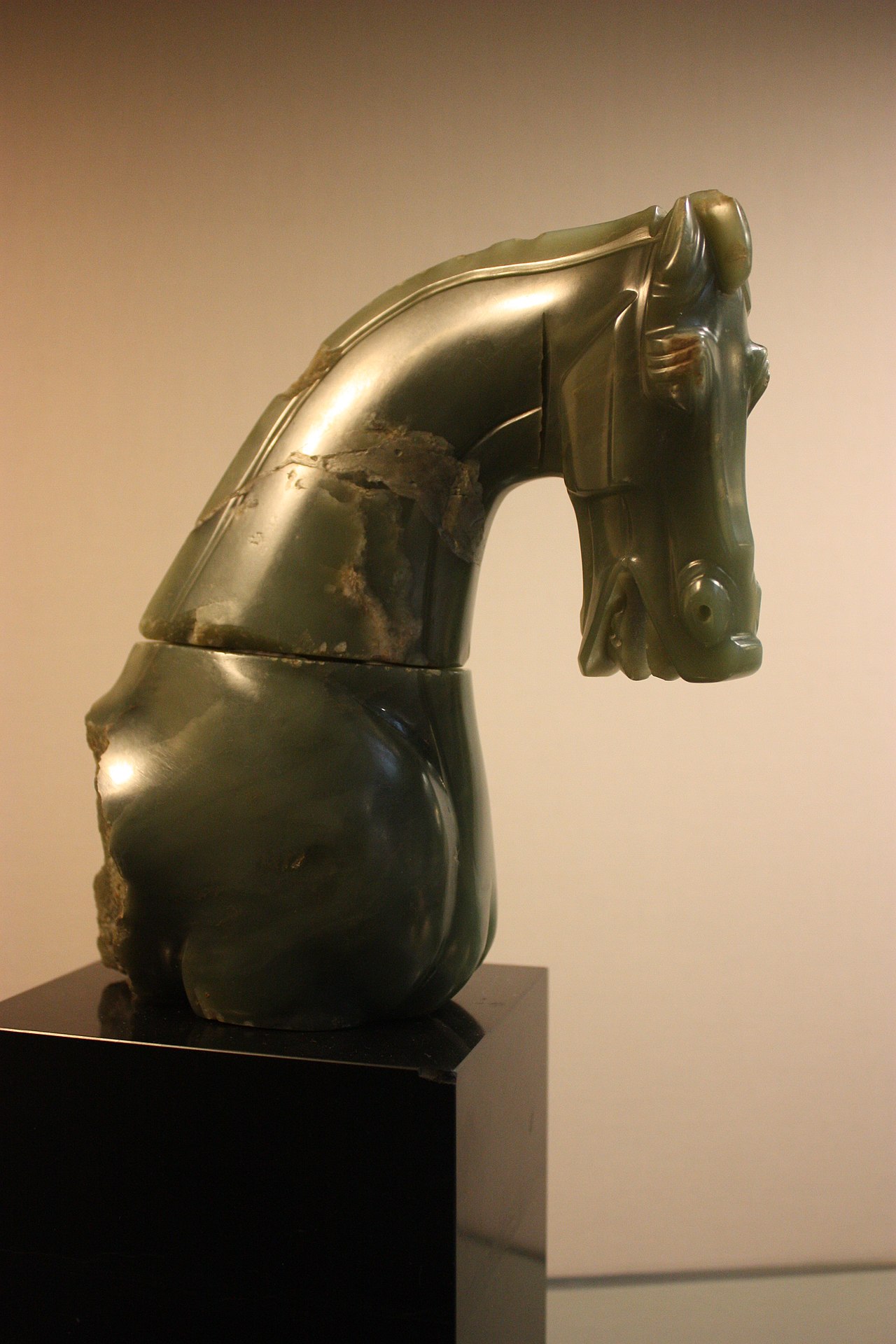
Human use of jade dates back to the Neolithic period in many regions. In East Asia, Central America and among Pacific peoples, jade became associated with status, ritual, and craftsmanship. In ancient China it was fashioned into funerary objects, amulets, and symbolic items linked to virtue and social rank. In Mesoamerica, jadeite was similarly prized and used for beads, masks and ceremonial objects. In New Zealand, nephrite known locally as pounamu played a central role in toolmaking, ornaments and tribal exchange.
Uses, symbolism and craftsmanship
Historically, jade served practical and symbolic roles: sharp-edged implements and weapons before widespread metallurgy; later, carved objects, personal adornment and religious items. Even after metal tools became common, skilled carvers continued to favor jade for its finish and symbolic meaning. Many cultures attributed protective or healing qualities to jade, and it remains a popular material for rings, pendants and carved ornaments.
Identification, treatment and market considerations
Distinguishing nephrite from jadeite requires gemological testing because visual appearance alone can be misleading. Tests include density and refractive measurements, and advanced techniques such as spectroscopy or X-ray analysis. The modern market also includes treated or assembled stones—dyed, stabilized or impregnated—to imitate higher-quality material, so provenance and certification are important for buyers.
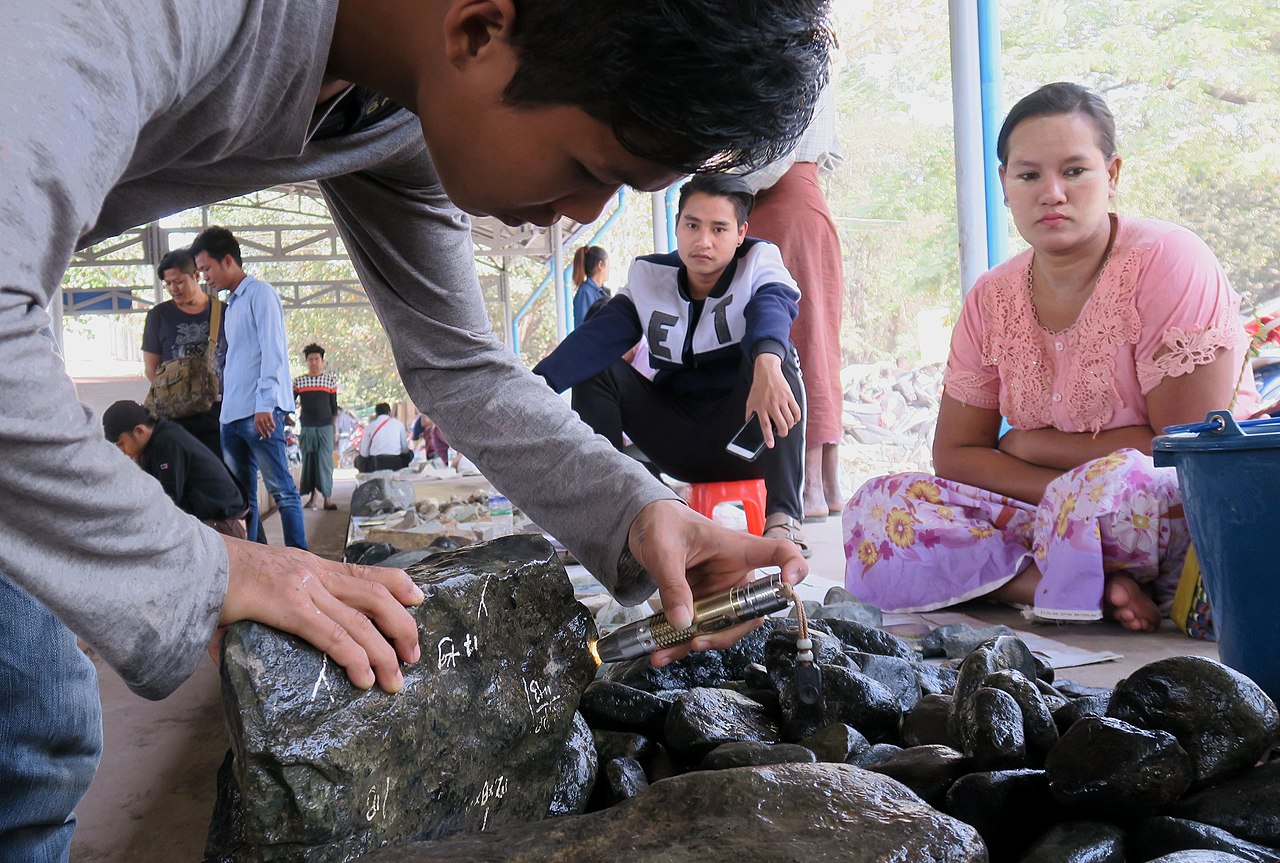
- Notable sources: high-quality jadeite is famously associated with deposits in Myanmar; nephrite occurs in many regions including parts of China and New Zealand.
- Traditional tools: early jade was used to make knives and other implements before metalworking became widespread—see historic tool forms knives and weapons.
- Related minerals: nephrite is chemically related to some amphiboles; some actinolite varieties are in the same mineral group and are linked to industrial concerns like asbestos.
- Contextual links: general stone and mineral resources are useful for broader reading about geology and gemology metallurgy and materials.
Today jade remains important in art, culture and commerce. Collectors and communities often place equal weight on artistic quality, cultural significance and scientific identification, so scholarly study and ethical sourcing are active concerns in the modern jade trade.
For further general background and technical detail, consult dedicated mineralogy and cultural heritage resources: stone overview, mineral classification, and specialized guides to jade treatment and testing available from gemological institutions (knives).
Questions and answers
Q: What is jade?
A: Jade is a type of stone.
Q: How many sorts of minerals are included in jade?
A: There are two different sorts of minerals included in jade, namely nephrite and jadeite.
Q: Which mineral is harder, nephrite or jadeite?
A: Nephrite is harder than jadeite.
Q: What is nephrite made up of?
A: Nephrite is made up of Ca2(Mg, Fe)5Si8O22(OH)2.
Q: What did Chinese people and Maori use nephrite for in the past?
A: Chinese people and Maori used nephrite for making knives and weapons in the past.
Q: What is the texture of two different sorts of jade?
A: The two sorts of jade look nearly the same.
Q: What did people in the past think about jade and why did they like it?
A: In the past, people thought jade had special powers and they liked it because it looked nice. They associated it with good luck and healing powers.
Related articles
Author
AlegsaOnline.com Jade: minerals, properties, history and cultural significance Leandro Alegsa
URL: https://en.alegsaonline.com/art/49068