
Zacatecas City: Colonial mining capital and historic center
Zacatecas City, capital of the state of Zacatecas in Mexico, is a colonial-era silver mining city known for its baroque architecture, hilltop landmarks, mining heritage and a UNESCO-listed historic centre.
Overview
Zacatecas is a highland city in central-northern Mexico and serves as the capital of the state of Zacatecas. The city name is commonly translated as "people of the grasslands." Built around rich silver deposits, Zacatecas grew into an important regional centre under Spanish rule and retains a compact historic core set among steep hills.
Image gallery
10 Images



History and mining
Zacatecas developed in the colonial era after the discovery of abundant silver veins. Mining drove rapid growth and wealth, shaping the town plan, social structure and architecture. Although large-scale mining declined from its peak, the city's identity and many institutions reflect that mineral legacy, including preserved mine galleries and exhibitions that reinterpret its industrial past for visitors.
Architecture and landmarks
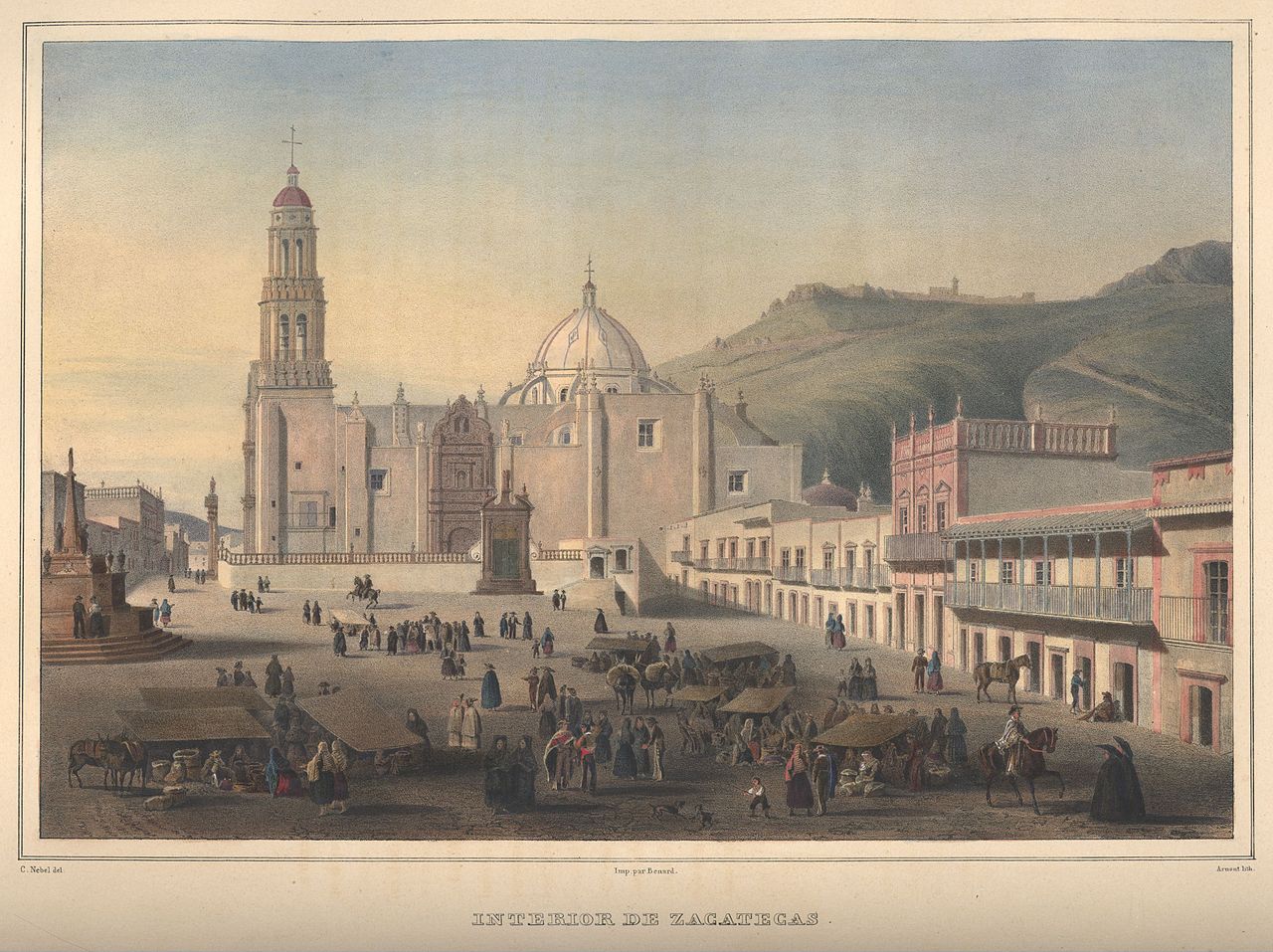
The historic centre displays ornate baroque façades, narrow winding streets and plazas adapted to the rugged terrain. Notable sites include:
- The Cathedral — a richly decorated colonial church noted for its elaborate exterior.
- Cerro de la Bufa — a dominant hill with memorials and panoramic views of the city.
- Historic centre (UNESCO) — a concentration of monuments, civic buildings and mining-era architecture.
Culture, museums and tourism
Zacatecas hosts museums, arts venues and annual festivals that celebrate regional traditions and history. Visitor attractions often include guided tours of former mines, museum collections of colonial art and masks, and a panoramic cable car that crosses the valley to link viewpoints and cultural sites.
Importance and notable facts
Beyond its mining history, Zacatecas is notable for its dramatic setting among hills, its well-preserved colonial urban fabric, and its role in 20th-century events that shaped the nation. The city's designation as a protected historic centre recognizes both its architectural qualities and its cultural significance within Mexico.
Related articles
Author
AlegsaOnline.com Zacatecas City: Colonial mining capital and historic center Leandro Alegsa
URL: https://en.alegsaonline.com/art/110325