
Young Plan (1929): Revision of German World War I Reparations
A 1929 international agreement that reduced and reorganized Germany's reparations after WWI, set a new payment schedule, and arranged earlier Allied withdrawal from the Rhineland; later overtaken by the Great Depression.
Overview
The Young Plan was an international settlement concluded in 1929 to revise the system of reparations imposed on Germany after the First World War. It followed the earlier Dawes Plan (1924) and sought to ease the financial burden on Germany by lowering the level of required payments and by restructuring how reparations would be administered. The plan is named after its principal U.S. architect, Owen D. Young, and involved negotiators and governments across Europe.
Image gallery
7 Images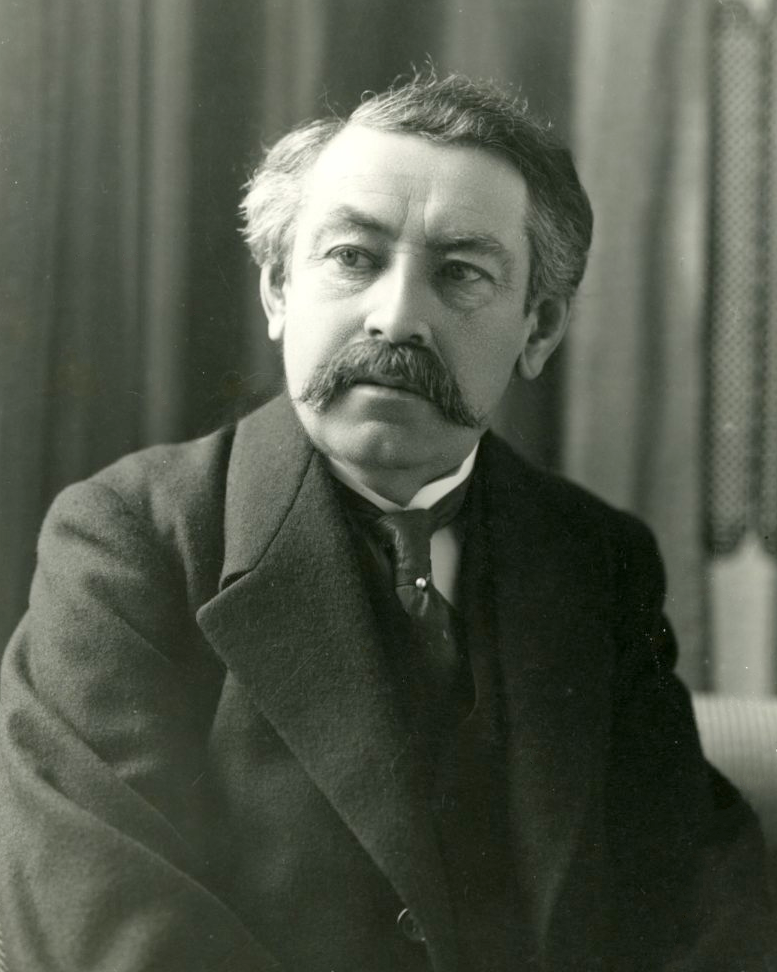


Main provisions and structure
Key elements of the Young Plan included a reduction in the annual burden of payments (roughly a cut of about one‑fifth compared with previous terms) and a long‑term schedule for installments extending over many decades. The arrangement also provided for the creation of international mechanisms to oversee transfers and bank operations connected with reparations. One concrete political consequence was an agreement to accelerate the withdrawal of Allied occupation forces from the Rhineland; the plan set a timetable for ending that occupation earlier than originally stipulated in the postwar treaties (Rhineland occupation, see also the terms established by the Treaty of Versailles).
Negotiation and political context
Negotiations were multinational and contentious. Germany's foreign minister at the time, Gustav Stresemann, played a leading role in securing concessions, although he died shortly after the plan's completion. The plan enjoyed support among moderate political and financial circles who saw it as a way to stabilize international finance and European diplomacy. At the same time it provoked strong criticism from nationalist and right‑wing groups in Germany who viewed any continuing reparations as intolerable and campaigned against the agreement.
Immediate consequences
- Reduced short‑term reparations burdens and a longer payment timetable.
- Establishment of international financial arrangements to manage transfers and reparations accounting.
- Acceleration of Allied military withdrawal from occupied German territory.
Aftermath and legacy
The Young Plan's lifetime was limited by the onset of the Great Depression. Economic collapse and the withdrawal of international credit made the agreed payments difficult to sustain. By the early 1930s an international moratorium, followed by diplomatic talks, effectively ended the reparation regime established after 1919. Although the Young Plan represented a significant attempt to normalize postwar relations and stabilize payments, its practical impact was overtaken by broader economic crisis and political change in Europe.
Notable facts
The plan is often recalled for its attempt to combine financial realism with political concessions (notably the earlier evacuation of the Rhineland) and for the way it exposed deep divisions within Germany. It remains an important episode in the interwar history of diplomacy and international economic cooperation.
Questions and answers
Q: What is the Young Plan?
A: The Young Plan was a pact that was finalized in 1929 aimed to lighten the reparation burden on Germany by 20% and sought the removal of Belgian, British, and French troops from the Rhineland.
Q: What was Gustav Stresemann's role in the Young Plan negotiations?
A: Gustav Stresemann was the key negotiator on the German side in the Young Plan negotiations.
Q: When was the Young Plan finalized?
A: The Young Plan was finalized in 1929.
Q: What was the purpose of the Young Plan?
A: The purpose of the Young Plan was to reduce the reparation burden on Germany and to eliminate Belgian, British, and French troops from the demilitarized zone of Germany known as the Rhineland.
Q: What was the Treaty of Versailles?
A: The Treaty of Versailles was a peace treaty signed at the end of World War I that placed significant economic and territorial restrictions on Germany.
Q: What did the Young Plan aim to achieve for Germany?
A: The Young Plan aimed to reduce the reparation burden on Germany by 20%.
Q: Who was in charge of negotiating the Young Plan on the German side?
A: Gustav Stresemann was in charge of negotiating the Young Plan on the German side.
Related articles
Author
AlegsaOnline.com Young Plan (1929): Revision of German World War I Reparations Leandro Alegsa
URL: https://en.alegsaonline.com/art/110086