
Zirid dynasty (Berber rulers of Ifriqiya, c. 10th–12th centuries)
Medieval Sanhaja Berber dynasty that governed Ifriqiya (roughly modern Tunisia and eastern Algeria) as Fatimid vassals, later independent; known for Kairouan, the Hammadid offshoot, and the impact of Hilalian migrations.
The Zirid dynasty was a medieval Berber ruling family that controlled Ifriqiya — the central Maghreb region roughly corresponding to modern Tunisia and parts of eastern Algeria — from the 10th to the 12th centuries. Originating within the Sanhaja confederation of North African Berbers, they rose to prominence as governors appointed by the Fatimid caliphs before asserting greater autonomy. Their principal city was Kairouan, an important center of learning and administration in the region.
Image gallery
6 Images



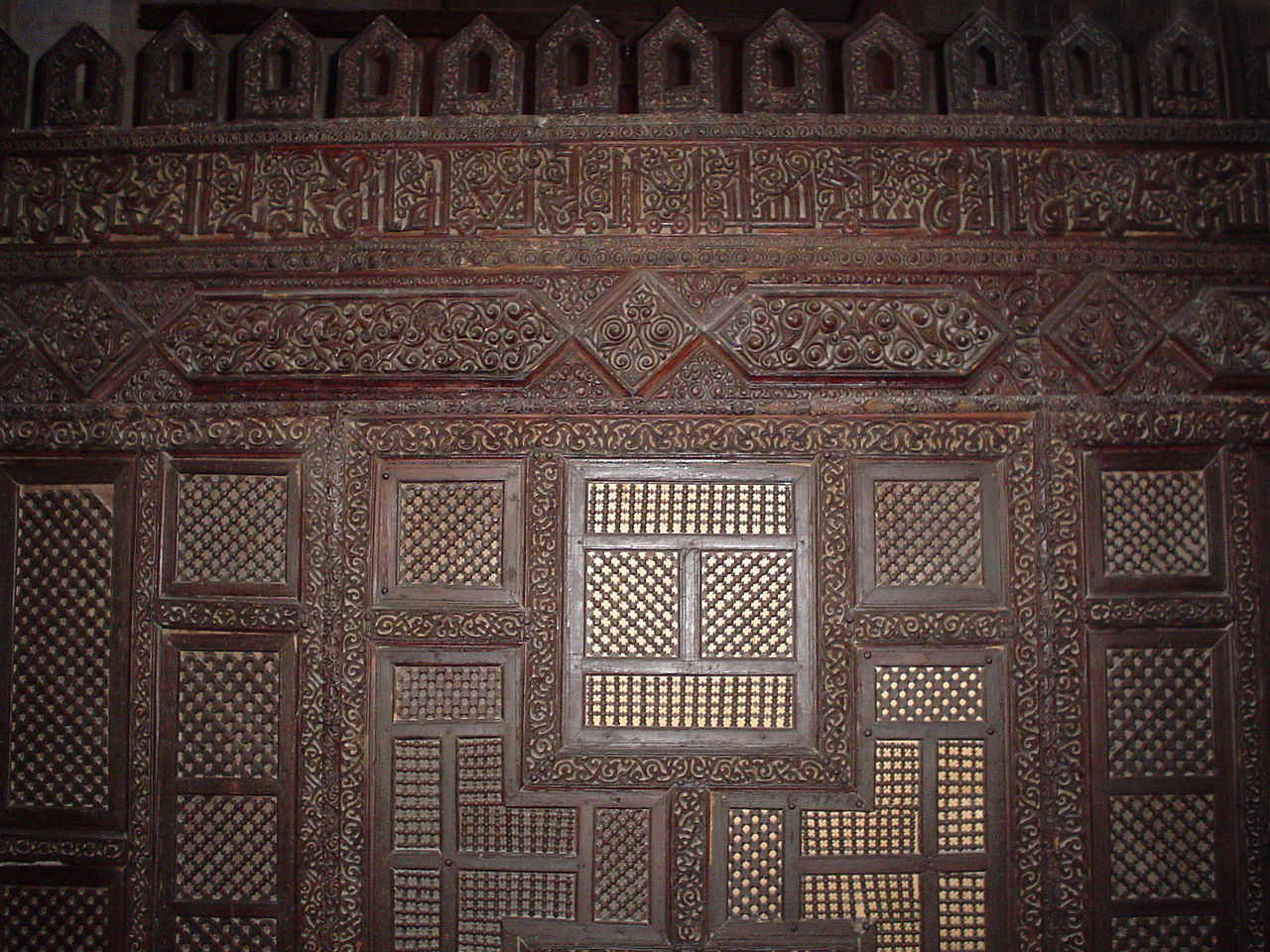
Origins and territory
The dynasty emerged in the late 10th century when a Sanhaja military leader was entrusted with rule in Ifriqiya on behalf of the Fatimids. Members of the family came from what is now Algeria and adjacent parts of the Maghreb; later chronicles and archaeology tie their early power base to the same Berber milieu represented by Sanhaja Berber groups. Their rule extended across the Tunisian plain and into coastal towns and hinterlands, with Kairouan serving as the administrative heart.
Political development and decline
Initially serving as vassals of the Fatimid regime, the Zirids governed with considerable autonomy. In the mid-11th century they broke political and religious ties with the Fatimids, a move that precipitated major consequences: the Fatimids encouraged eastward migration of Arab Bedouin tribes (commonly called the Banu Hilal and related groups) into Zirid territory. Those migrations and the resulting rural disruption weakened the Zirid state, and by the later 11th and 12th centuries their authority was fragmented and challenged by rival dynasties and external invaders, including maritime powers from Sicily and regional rivals.
Offshoots, culture and legacy
One notable offshoot was the Hammadid line, formed by a branch of the family that established independent rule in parts of the central Maghreb. The Hammadids created their own capital and cultural centers and are often studied alongside the Zirids as part of the same Berber political and social transformation of the region. Under Zirid patronage Kairouan remained an intellectual and religious center for North Africa, and their period saw continued urban life, trade across the Mediterranean, and developments in agriculture and craft production before the disruption of the 11th century.
Notable facts
- The Zirids were originally appointed through ties to the Fatimid caliphate but later declared political independence and a religious realignment that had broad regional consequences.
- Their capital, Kairouan, continued to be a major religious and scholarly city throughout their rule.
- An important branch became the Hammadids, who ruled in parts of what is now eastern Algeria and left archaeological remains still studied today.
- Their decline illustrates the impact of migratory and military pressures on medieval North African polities and marks a turning point in the demographic and political map of the Maghreb.
Related articles
Author
AlegsaOnline.com Zirid dynasty (Berber rulers of Ifriqiya, c. 10th–12th centuries) Leandro Alegsa
URL: https://en.alegsaonline.com/art/110654