
Zhou dynasty: politics, philosophy, and legacy of early China
The Zhou dynasty (c.1046–256 BCE) reshaped Chinese polity and culture, introducing the Mandate of Heaven and fostering the Hundred Schools of Thought that influenced later Chinese civilization.
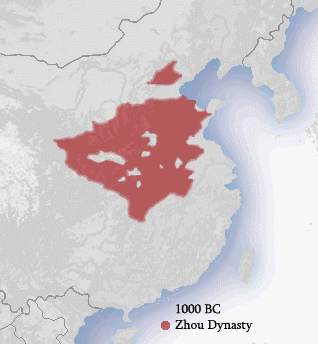
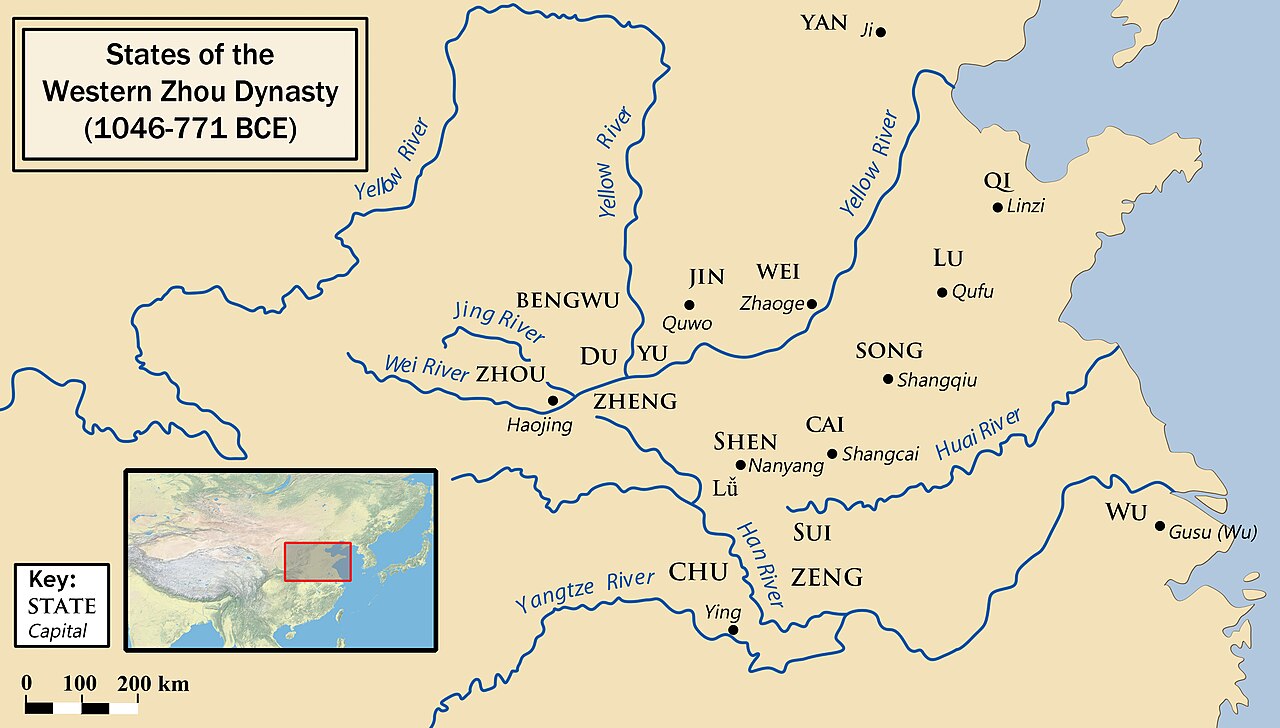
The Zhou dynasty succeeded the Shang dynasty and governed much of what is today China from roughly the mid second millennium BCE until the late third century BCE. Historians divide the period into the Western Zhou, when the court sat near present-day Xi'an, and the Eastern Zhou, when political authority fragmented as the royal house moved eastward into the Yellow River plain. The era is best known for major institutional innovations, demographic and territorial expansion, and an intense period of intellectual creativity.
Image gallery
10 Images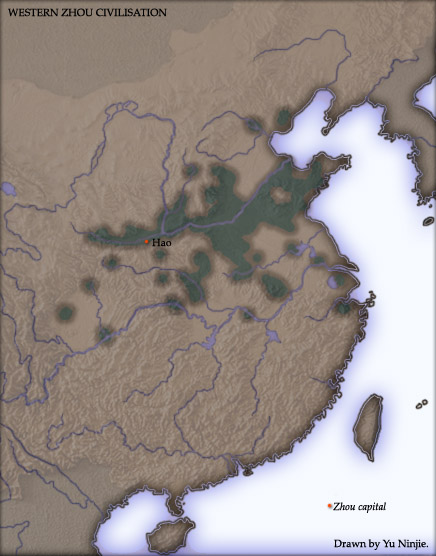





Chronology and political organization
The early Zhou established a network of hereditary fiefs under a central king. This fēngjiàn system granted land and titles to relatives and allied elites and produced a landscape of semi-autonomous states. Over generations those local lords accumulated power, and by the Eastern Zhou the polity fractured into competing principalities. Classical sources and later historians describe two well-known phases within the Eastern Zhou: the Spring and Autumn period and the Warring States period, when rivalry, diplomacy and warfare drove political and social change.
Mandate, ritual, and administration
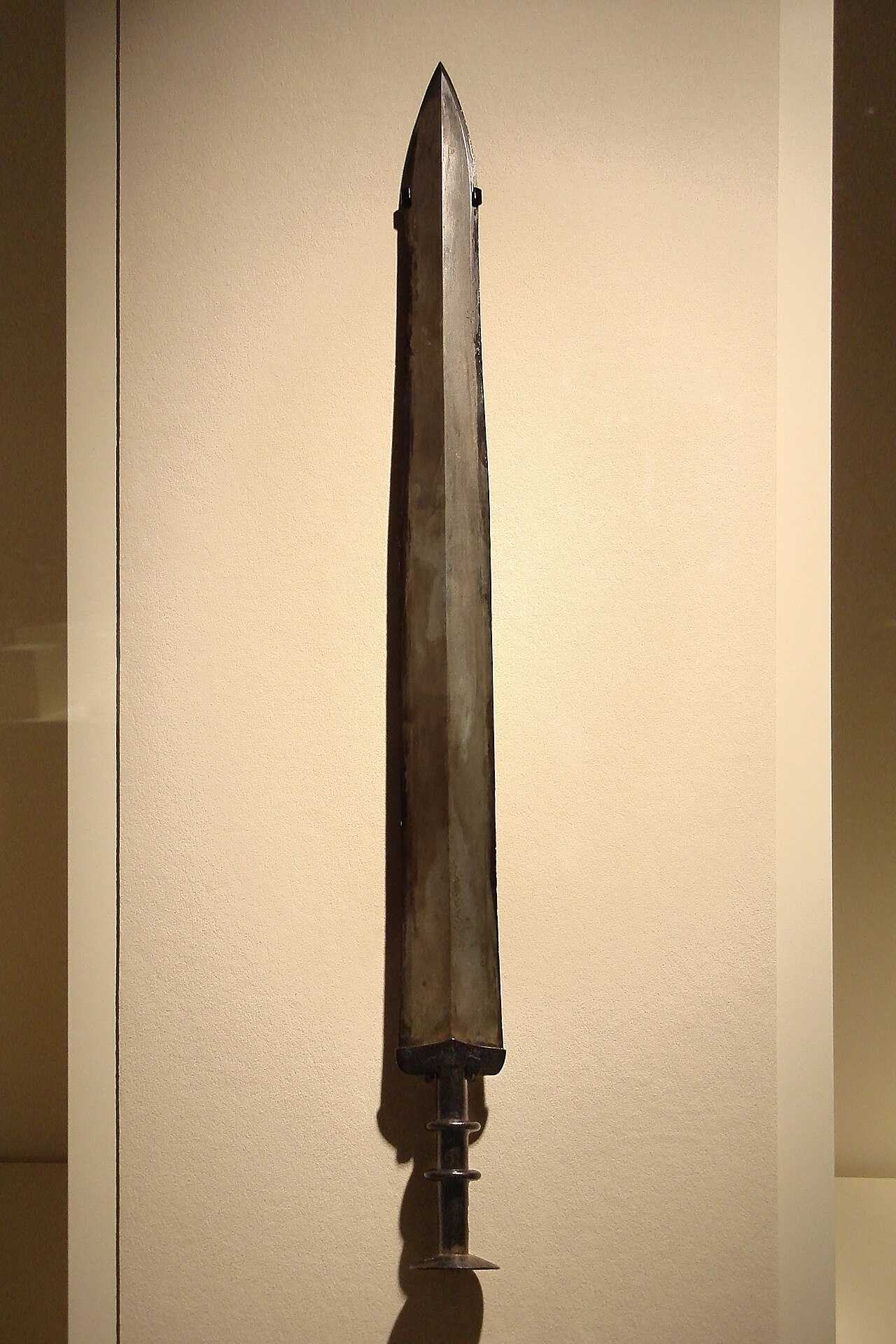
One enduring Zhou contribution was the articulation of the Mandate of Heaven, a political doctrine that linked legitimate rule to moral conduct and the welfare of the people. The Zhou court preserved and adapted ritual practices, bronze ceremonial forms and writing systems inherited from earlier times, using them to stabilize elite authority. Administrative records, inscribed bronzes and early texts show developing bureaucratic practices, hereditary office-holding, and norms governing kinship, land tenure and ritual life.
Economy, technology and society
Agricultural intensification, population movement into river valleys, and technological shifts altered social organization. The use of iron tools and improvements in irrigation and transport increased production in many regions. Military change—new weapons, larger armies and evolving command structures—also reshaped elite power. Society remained hierarchical and kin-based, but the growth of towns and markets created new social roles and economic ties across regions such as the Yellow River basin.
Intellectual life: the Hundred Schools
The Zhou centuries saw the flowering of what later scholars called the "Hundred Schools of Thought." In this competitive environment thinkers debated ethics, governance, ritual, and law. Confucius (Kongzi, often referenced via Chinese forms and pinyin) urged moral cultivation and role-based social harmony, a tradition later developed into Confucianism. Laozi and Daoist currents emphasized harmony with natural patterns. Mohist critics advanced utilitarian arguments for impartial care, while thinkers such as Shang Yang and Han Feizi refined doctrines of coercive order that formed the core of Legalism. Figures like Mencius and later commentators continued and transformed Confucian discussion; the cumulative intellectual output is a central component of classical Chinese philosophy.
- Political idea: the Mandate of Heaven linked moral legitimacy to successful rule.
- Cultural tools: bronze inscriptions, early manuscripts and ritual codes that informed statecraft and religion.
- Philosophical diversity: Confucian, Daoist, Mohist and Legalist strands competed and cross-fertilized.
Decline and legacy
As regional states grew stronger, Zhou kings became figureheads and the dynasty finally ended when one of those states unified China under a new order. The Zhou period left lasting patterns: the idea that Heaven legitimizes rulers, the importance of ritual and kinship in political life, and a rich intellectual tradition that shaped later dynasties. The works and reputations of major thinkers—often summarized as part of Confucius’s legacy or the broader classical canon—continued to influence education, law and state ideology for centuries.
Sources and further reading
Primary evidence for the Zhou comes from archaeology (bronze inscriptions, tombs and excavated texts) and later historical compilations. For concise overviews consult general treatments of the Zhou Dynasty, surveys of Chinese philosophy, and specialized studies of ritual, law and administration. Introductory material on language and names may refer to Chinese terms and pinyin pronunciation guides. For thematic accounts see works addressing ritual practice along the Yellow River, the transition from bronze to iron technologies, and the political writings associated with Legalism.
Readers interested in individual thinkers can find accessible entries on Confucius, Mencius and Laozi, and thematic introductions to schools such as Confucianism and the debates that formed the intellectual backdrop to later imperial institutions.
Questions and answers
Q: When did the Zhou dynasty replace the Shang dynasty?
A: The Zhou dynasty replaced the Shang dynasty in 1046 BCE.
Q: What did the kings of the Zhou dynasty do?
A: The kings of the Zhou dynasty made the empire a lot bigger.
Q: Where did the Zhou rulers move the capital?
A: The Zhou rulers moved the capital from Henan to a place near present-day Xi'an, near the Yellow River.
Q: What theory did the Zhou Dynasty bring?
A: The Zhou Dynasty brought the theory of the Mandate of Heaven.
Q: What did the theory of the Mandate of Heaven say?
A: The theory of the Mandate of Heaven said that the fact that rulers were in charge proved that the gods wanted them to be in charge.
Q: Who were the greatest Chinese philosophers during the Zhou Dynasty?
A: The greatest Chinese philosophers during the Zhou Dynasty were Confucius and Laozi.
Q: What other philosophers and schools of thought were there during the Zhou Dynasty?
A: Other philosophers, theorists, and schools of thought from the Zhou Dynasty were Mozi, Mencius, Shang Yang and Han Feizi, and Xunzi.
Related articles
Author
AlegsaOnline.com Zhou dynasty: politics, philosophy, and legacy of early China Leandro Alegsa
URL: https://en.alegsaonline.com/art/110566