
Yuan dynasty: Mongol rule over China (1271–1368)
Overview of the Yuan dynasty, the Mongol-ruled empire founded by Kublai Khan that governed China 1271–1368 — its institutions, society, economy, culture, expansion and decline.
Overview
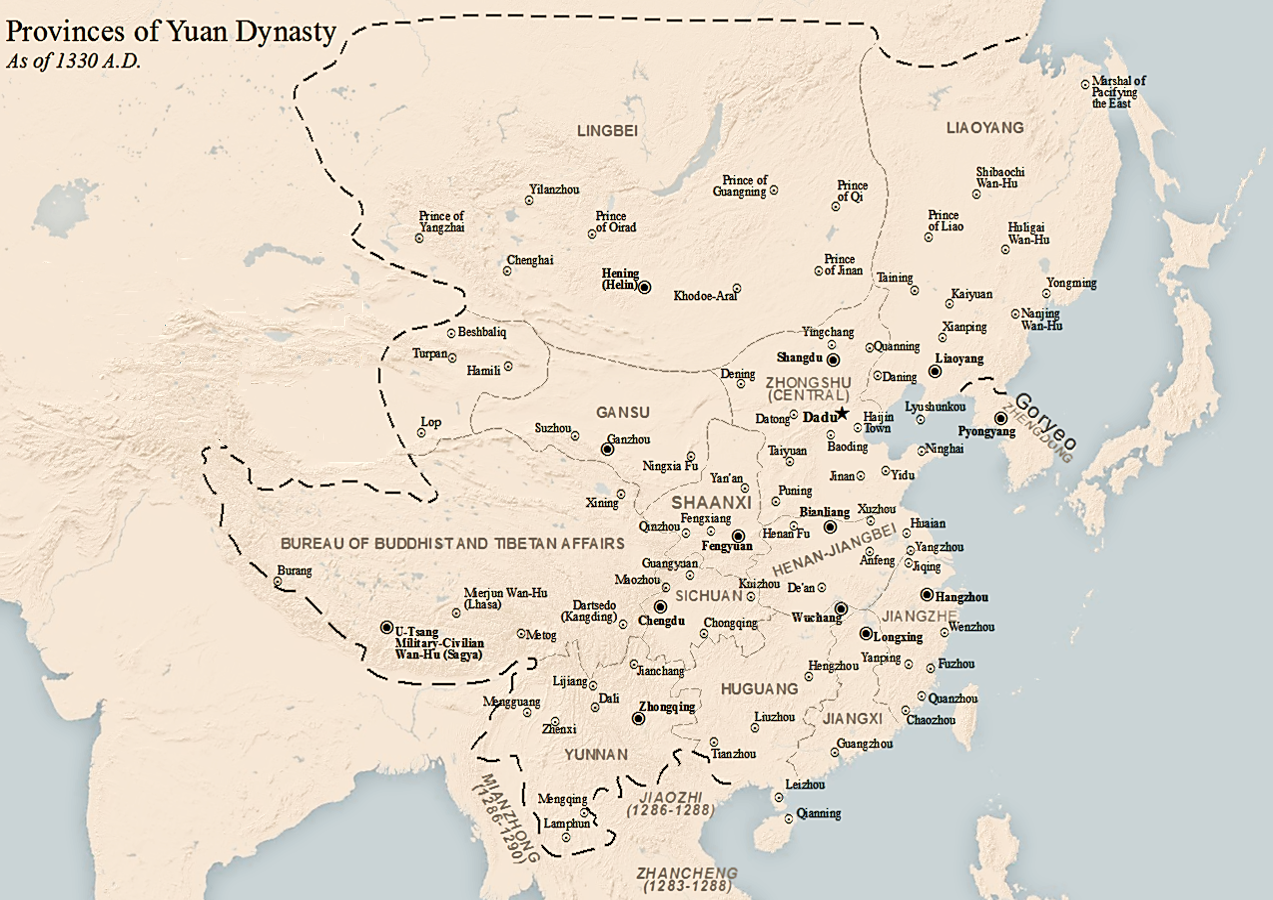
The Yuan dynasty was the imperial regime established by Kublai Khan that governed China and large parts of Mongolia from 1271 until 1368. Originating with the Mongol conquests begun under Genghis Khan, the Yuan unified territories long divided since the late Tang period and formed a single state that incorporated diverse peoples, traditions, and administrative systems. Its capital was at Khanbaliq (known in later sources as Dadu, near modern Beijing). The dynasty is commonly described as a Mongol dynasty because the ruling elite were Mongol, though its territory and administration drew heavily on Chinese models and personnel.
Image gallery
10 Images



Origins and historical development
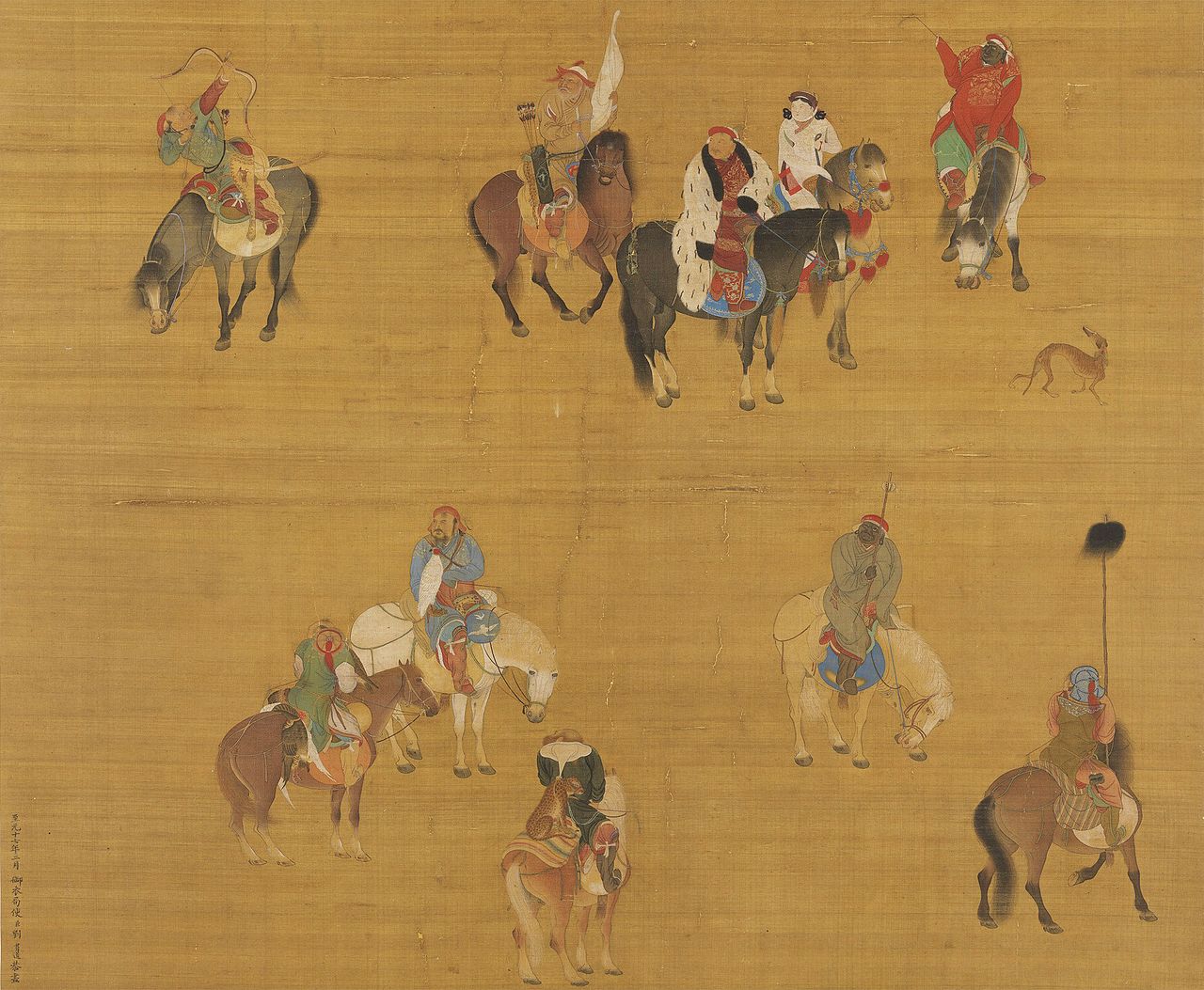
The political and military foundations of the Yuan lay in the steppe conquests of the 13th century. Genghis Khan initiated the expansion that brought much of Eurasia under Mongol control; his successors extended campaigns into northern and southern China. Kublai Khan, a grandson of Genghis Khan, consolidated Mongol authority in China and proclaimed the new dynasty in 1271. By the late 1270s the last major obstacle, the southern Song dynasty, was overcome and China was placed under a single regime. During its existence the Yuan maintained links with the broader Mongol world centered in Mongolia and the Eurasian steppes (Mongolia), while also engaging the settled civilizations of East and Central Asia.
Government, society and economy
The Yuan combined steppe traditions with Chinese administrative techniques. Kublai and his advisors retained provincial divisions and many institutions inherited from previous dynasties, adapting them within a system that prioritized the ruling Mongol elite. A hierarchy of legal and social categories distinguished Mongols, various non-Han groups, northern Chinese, and southern Chinese, and foreign merchants and officials also occupied special positions. The state promoted trade and communication across its territory, using paper currency, a postal and relay system, and improvements to transportation corridors such as canals and roads. Contacts across the Silk Road increased, and merchants from Central Asia and beyond were active within the Yuan realm. Travelers and envoys — including Europeans like Marco Polo — recorded aspects of life under Kublai Khan and helped shape later Western images of the dynasty (Marco Polo).
Culture, religion and exchanges
The Yuan was notable for its religious and cultural pluralism. The ruling class patronized Tibetan Buddhism while accommodating Confucian learning, Daoist traditions, Islam, and Christianity among their subjects. Artistic production incorporated steppe and Chinese motifs: painting, theatre, and crafts flourished in urban centers as artisans and literati exchanged styles. The dynasty’s position on major Eurasian trade routes enhanced the movement of ideas, technologies, goods, and people across continents, contributing to the diffusion of crops, mapmaking, and knowledge of distant lands (China).
Military campaigns and external relations
The Yuan engaged in campaigns beyond the Chinese heartland. It launched maritime expeditions and invasion attempts against Japan in 1274 and 1281, operations that failed in part due to severe storms. The dynasty also sought to exert influence over neighboring states and trade networks throughout East and Southeast Asia. Its rulers maintained diplomatic contacts with other Mongol khanates, neighboring kingdoms, and distant polities, sending envoys and receiving foreign visitors and missionaries. These interactions tied the Yuan into the wider political fabric of the 13th- and 14th-century Eurasian world (Song dynasty).
Decline and legacy
By the mid-14th century the Yuan faced mounting internal problems: fiscal strain, natural disasters, local rebellions, and weakening central authority. Popular uprisings such as the Red Turban movement and military setbacks eroded Mongol control. In 1368, rebel forces led by Zhu Yuanzhang captured Khanbaliq and established the Ming dynasty (Ming dynasty), ending native Mongol rule over most of China, though Mongol regimes and successor states continued north of the Great Wall. The Yuan era left a complex legacy: it altered China's administrative geography, intensified Eurasian trade and cultural exchange, and remains a key subject for the study of imperial pluralism and cross-cultural contact in late medieval Eurasia (Genghis Khan, Kublai Khan).
Key features and notable facts
- Founded by Kublai Khan in 1271 and generally dated 1271–1368.
- First foreign-led dynasty to rule most of China; it integrated Mongol and Chinese institutions.
- Maintained extensive trade and diplomatic networks that linked East Asia with Central Asia and Europe (Mongol empire).
- Famous visitors and sources, including travelers and merchants, shaped later historical perceptions (late Tang context).
- Its fall led directly to the establishment of the Ming dynasty and a reassertion of native Han rule.
For more detailed explorations of specific topics—administrative reforms, monetary policy, military campaigns, or cultural life—specialized studies and primary translations offer extensive information. The Yuan remains a pivotal chapter in the history of China and the wider Mongol world.
Mongol dynasty | Mongolia | China | Song dynasty | Ming dynasty | Genghis Khan | Kublai Khan | Mongol empire | late Tang context | Marco Polo
Questions and answers
Q: Who founded the Yuan dynasty?
A: Kublai Khan founded the Yuan dynasty in 1271.
Q: What race was dominant in Mongolia before the Yuan dynasty?
A: Before the Yuan dynasty, Jin was the main race in Mongolia.
Q: How did Genghis Khan establish his rule over Mongolia and China?
A: In 1206, Genghis Khan ruled the Mobi tribes to establish a Mongol country at the Onon River. He then conquered many parts of China and added them to his kingdom.
Q: What happened after Möngke Khan died?
A: After Möngke Khan died, his brothers fought for control of the Mobi tribes. Eventually, Kublai won and established the Yuan Dynasty in 1271.
Q: When did Yuan Dynasty rule all of China?
A: The Yuan Dynasty ruled all of China by 1276 when they had subdued southern Song dynasty.
Q: What is known about China from Marco Polo's book?
A: For centuries, most of what Westerners knew about China came from Marco Polo's book about his visit to Kublai's empire during the time of the Yuan Dynasty.
Q: When did Ming Dynasty take control over China from Yuan Dynasty? A: The Ming Dynasty took control over China from the Yuan Dynasty in 1368.
Related articles
Author
AlegsaOnline.com Yuan dynasty: Mongol rule over China (1271–1368) Leandro Alegsa
URL: https://en.alegsaonline.com/art/110150
Sources
- doi.org : 10.1111/0020-8833.00053
- jstor.org : 2600793
- chinahighlights.com : "The Yuan Dynasty"