
Gustav Stresemann: Weimar Statesman and Architect of Franco‑German Rapprochement
Life and career of Gustav Stresemann (1878–1929), German liberal statesman of the Weimar Republic, his domestic role, diplomatic achievements (Dawes, Locarno, League), Nobel Peace Prize and legacy.
Overview
Gustav Stresemann (10 May 1878 – 3 October 1929) was a leading German liberal politician of the Weimar era who briefly served as Chancellor and Foreign Minister and then as Foreign Minister until his death. He is widely remembered as a pragmatic statesman who sought to stabilize Germany after the nightmares of 1923, to secure its place in Europe by diplomatic means, and to protect the fragile democratic order of the Weimar Republic. For his role in promoting reconciliation between Germany and France he shared the Nobel Peace Prize in 1926 with Aristide Briand.
Image gallery
9 Images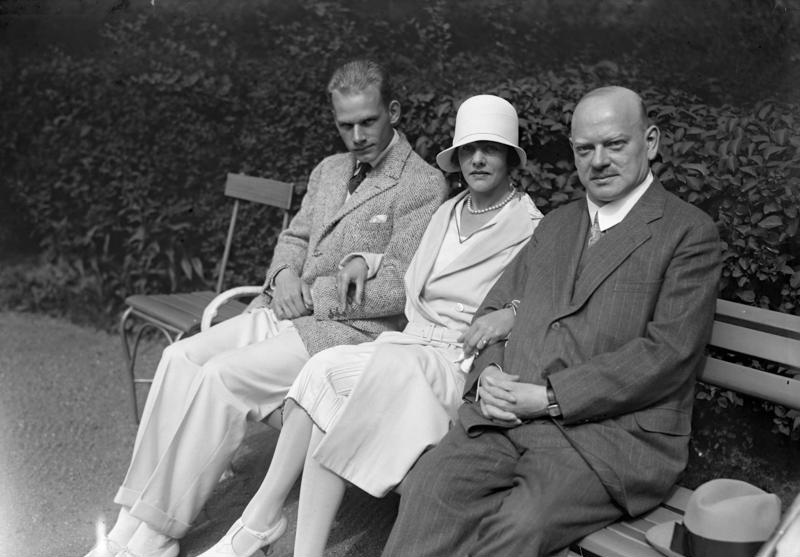


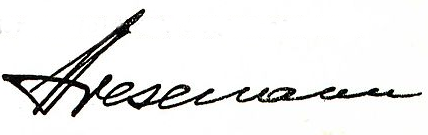
Political background and outlook
Stresemann emerged from the national-liberal tradition and later led the German People’s Party (Deutsche Volkspartei, DVP), a moderate, pro-business formation. He was not doctrinaire: his politics combined a commitment to parliamentary democracy with pragmatic accommodation to economic and geopolitical realities. Confronted with the political fragmentation and social tensions of post‑war Germany, Stresemann pursued policies that aimed to restore economic stability, rebuild international trust, and revise the harsh terms imposed on Germany after the First World War by negotiation rather than by force.
Crisis of 1923 and the policy of fulfillment
In 1923 Germany faced hyperinflation, occupation of the Ruhr, and political turmoil. Stresemann served as head of government for a short but critical interval in 1923 and then continued as foreign minister in successive cabinets. Domestically he supported economic stabilization measures that ended hyperinflation and restructured public finances. In foreign policy he adopted what later became known as the policy of "fulfillment": Germany would accept certain obligations under the Versailles settlement in the short term while using diplomacy to win revisions and restore rights and territory where feasible.
Major diplomatic achievements
Stresemann’s diplomacy combined realism and conciliation. Key initiatives and results included:
- Support for the Dawes Plan (1924), which reorganised reparations payments and opened the way for foreign loans and investment.
- The Locarno Treaties (1925), in which Germany, France, Belgium, Britain and Italy accepted mutual guarantees of borders in Western Europe — a foundation for improved Franco‑German relations.
- Admission of Germany to the League of Nations (1926), a major step toward reintegration into the international system and a signal that Germany was accepted as a responsible state actor.
- Negotiations with other powers, including a 1926 treaty with the Soviet Union that balanced Germany’s Western orientation with pragmatic ties to the East.
These achievements won Stresemann and the French foreign minister Aristide Briand the Nobel Peace Prize in recognition of their efforts to reduce the risk of future conflict.
Legacy and historical significance
Stresemann is often judged a formative figure of the middle Weimar years, a period of relative stability sometimes called the "Golden Twenties." He promoted reconciliation with Germany’s neighbors, encouraged foreign investment and economic recovery, and sought to anchor Germany in a cooperative European order. Nevertheless, his approach was controversial: nationalists on the right saw fulfillment as capitulation, while some on the left distrusted any accommodation with the former wartime adversaries. His untimely death in 1929 removed a central moderate voice at a moment when democratic institutions were still fragile.
Notable facts and distinctions
- Shared the Nobel Peace Prize in 1926 with Aristide Briand for Franco‑German reconciliation; the ceremony underscored the new diplomatic thaw between the two countries (Aristide Briand).
- Associated with the policy of "fulfillment," which aimed at revising the postwar settlement by complying in the short term and negotiating improvements over time.
- His career and policies are central to understanding the short-lived stabilization of the Weimar Republic in the mid‑1920s and the international framework that preceded the crisis of the early 1930s (Weimar Republic).
Today Stresemann is remembered as a pragmatic mediator whose diplomacy helped restore Germany’s international standing and who, despite political compromises, worked to safeguard democratic governance during a precarious period in European history.
Questions and answers
Q: Who was Gustav Stresemann?
A: Gustav Stresemann was a German liberal politician who served as both Chancellor and Foreign Minister of Germany during the Weimar Republic.
Q: What did Gustav Stresemann accomplish during his political career?
A: Gustav Stresemann was noted for his support of democracy in the Weimar Republic and for his role in promoting European economic integration. He is perhaps best known for his efforts to reconcile Germany and France, which earned him and Aristide Briand the Nobel Peace Prize.
Q: When was Gustav Stresemann born and when did he die?
A: Gustav Stresemann was born on May 10th, 1878 and died on October 3rd, 1929.
Q: How is Gustav Stresemann generally regarded today?
A: Gustav Stresemann is generally regarded as one of the most important leaders of Germany and a strong supporter of democracy during the Weimar Republic.
Q: What political ideology did Gustav Stresemann adhere to?
A: Gustav Stresemann's politics are difficult to define, but he was generally considered a liberal politician.
Q: What was Gustav Stresemann's most important accomplishment?
A: Gustav Stresemann's most important accomplishment was likely his efforts to reconcile Germany and France, which earned him and Aristide Briand the Nobel Peace Prize.
Q: What is the Weimar Republic?
A: The Weimar Republic was the democratic government of Germany that was established after World War I and lasted until the rise of the Nazi Party in 1933.
Related articles
Author
AlegsaOnline.com Gustav Stresemann: Weimar Statesman and Architect of Franco‑German Rapprochement Leandro Alegsa
URL: https://en.alegsaonline.com/art/120143