
Yom Kippur — the Jewish Day of Atonement
Yom Kippur, observed on 10 Tishrei, is Judaism's holiest day of repentance and atonement. Practices include a 25-hour fast, synagogue services, confessions (Vidui) and the closing Ne'ilah prayer.
Yom Kippur, commonly called the Day of Atonement, is the most solemn and sacred day in the Jewish religious year. It is a day set aside for repentance, prayer and reconciliation with God and other people. The holiday begins at sundown on the 10th of Tishrei in the Hebrew calendar and lasts roughly 25 hours. In everyday description it is called a festival of spiritual return and is widely known by its descriptive name, the Day of Atonement.
Image gallery
5 Images


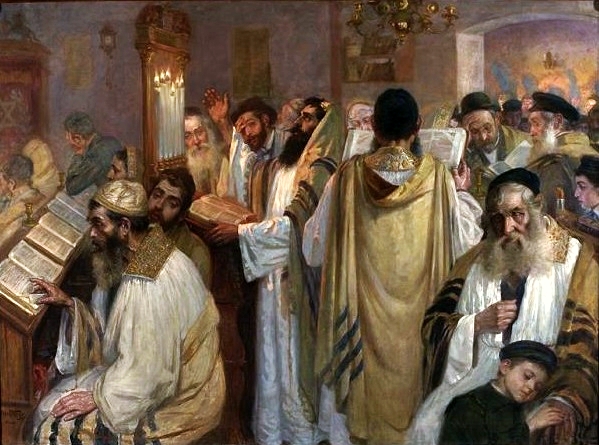
Core meaning and timing
At the center of Yom Kippur is the effort to secure divine forgiveness and to repair relationships harmed over the previous year. Jewish tradition teaches that God inscribes each person's fate for the coming year on Rosh Hashanah and seals it on Yom Kippur, making the interval between the two days—the Ten Days of Repentance—an especially intense period for self-examination and apology. During these days and on Yom Kippur itself congregants ask God to forgive sins against the Divine and also seek forgiveness from other people they have wronged. The date falls on the tenth day of Tishrei (10 Tishrei).
Rituals and observances
The most visible practice for many observant Jews is the complete fast from food and drink for about 25 hours (fast). Traditional restrictions go beyond eating: they include refraining from washing or bathing (washing), applying perfumes or lotions (anointing), wearing leather shoes and abstaining from marital relations. These abstentions are intended to focus attention on spiritual matters rather than physical comfort. Many people wear white garments to symbolize purity and renewal.
Prayer, confession and synagogue services
Yom Kippur is strongly associated with communal prayer. Observant Jews attend extended synagogue services where repeated confessions appear as a central element. The public and private confessional formulas are known as Vidui. The liturgy of the day is distinctive: in addition to the normal daily prayers it adds the Musaf service and culminates in the unique closing service called Ne'ilah. The high attendance and length of services make this day one of the busiest in the synagogue calendar. The special Yom Kippur liturgy also includes historical recitations of the Temple service performed by the ancient High Priest and related prayers in the Musaf portion (prayer service).
History and biblical background
The origins of Yom Kippur are rooted in the Torah, particularly the instructions in Leviticus concerning purification and ritual atonement. In Temple times the High Priest performed an elaborate avodah, including the selection of goats, one offered to God and another sent away to a figure called Azazel, a rite often rendered as the "scapegoat" ritual. These ancient rites shaped the day’s themes of removal of sin and renewal; after the destruction of the Temple, liturgical substitutes and prayer replaced the sacrificial elements.
Contemporary significance and practice
Today Yom Kippur combines solemnity and hope. While it is a fast day, many participants describe it as hopeful or even joyous because its rituals express confidence in forgiveness and the possibility of moral repair. The day is a peak moment in Jewish communal life: even many who do not observe other holidays attend services. The evening concludes with the final prayers and a long blast of the shofar, signaling the close of the fast and the spiritual release that follows. Practical halachic exceptions exist for those whose health would be endangered by fasting, and modern communities often provide guidance for those individuals.
Notable distinctions and common questions
- Yom Kippur differs from celebrations such as Passover or Sukkot because it is primarily penitential rather than celebratory.
- The day is both communal and intensely personal: public confessions are balanced by private introspection.
- Key liturgical moments include the Kol Nidre declaration on the eve and the Ne'ilah closing service; both draw large congregations.
- Although the Temple rituals are no longer practiced, their memory informs prayers and readings throughout the day.
For further reading on prayer texts, liturgical structure and historical practice see introductory resources and community guides: synagogue practice, historical summaries (Rosh Hashanah context) and modern explanations of repentance and forgiveness (Day of Atonement overview, ritual prohibitions, customs, calendar placement, fasting rules, festival status, theology of forgiveness, calendar basics, concept of the book, Vidui texts, service components, Temple avodah).
Related articles
Author
AlegsaOnline.com Yom Kippur — the Jewish Day of Atonement Leandro Alegsa
URL: https://en.alegsaonline.com/art/109918