
Dragon Boat Festival (Duanwu): traditions, history and modern observance
Annual East Asian festival on the fifth day of the fifth lunar month, known for dragon boat racing, zongzi rice dumplings and rituals honoring the poet Qu Yuan.
Overview
The Dragon Boat Festival, commonly called Duanwu in Chinese, is an East Asian cultural holiday observed on the fifth day of the fifth month of the traditional lunar calendar. Its date shifts in the Gregorian calendar because the lunar calendar follows the phases of the moon. The festival combines athletic, gastronomic and ritual elements: most visibly, community dragon boat races and the eating of sticky rice dumplings called zongzi.
Image gallery
10 Images
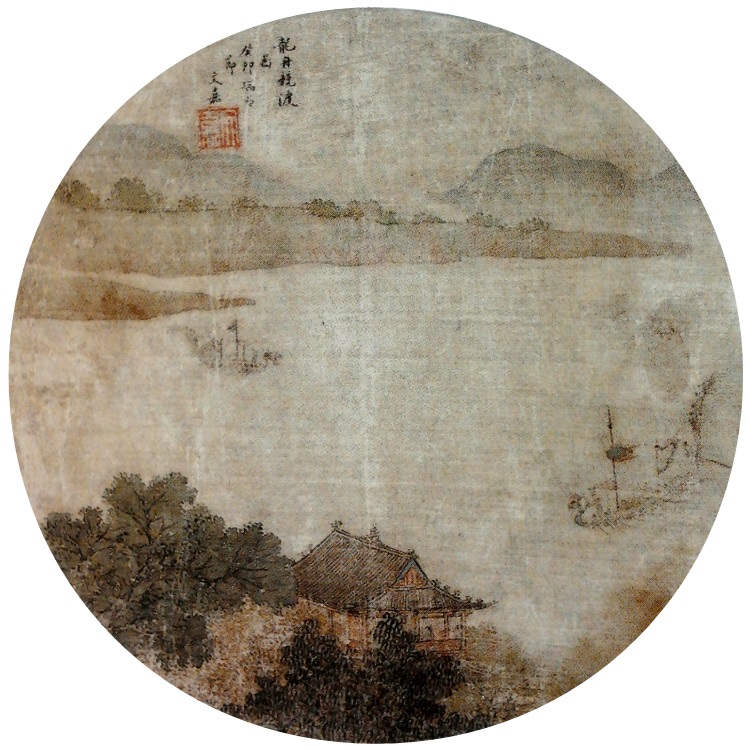


History and legend
The festival is widely connected with Qu Yuan, a patriotic poet and minister of the ancient state of Chu during the Warring States period. According to popular accounts, Qu Yuan drowned himself in a river after political exile and despair; villagers raced out in boats to search for him and threw rice to distract fish. While this narrative is dominant, scholars note that Duanwu may incorporate older seasonal rites and multiple local origins.
Customs and symbols
Traditional practices include dragon boat racing, preparing and sharing zongzi (pyramidal rice wrapped in leaves), and hanging aromatic plants such as mugwort and calamus to ward off disease and bad spirits. Other customs include wearing scented sachets, drinking medicinal or symbolic wines, and decorating boats with dragon heads. Below are the most common elements:
- Dragon boat races: teams paddle decorated boats to drums and cheers.
- Zongzi: glutinous rice with sweet or savory fillings wrapped in bamboo or reed leaves.
- Herbal customs: hanging herbs and wearing sachets for protection.
Modern observance and significance
Today the festival is both a public holiday in many Chinese-speaking regions and a cultural event celebrated by Chinese communities worldwide. It was inscribed on the UNESCO Representative List of the Intangible Cultural Heritage of Humanity, reflecting its communal importance and living traditions. Contemporary observance ranges from amateur and international dragon-boat competitions to local family meals and museum exhibitions.
Regional variations and notable facts
Practices vary by locality: ingredients for zongzi, racing formats and associated rituals differ across mainland China, Taiwan, Hong Kong, and Southeast Asian communities. The festival is often described with different emphases—sport, remembrance, medicine or seasonal observance—depending on place and era.
Further reading and resources: official holiday details, Qu Yuan biography, lunar calendar explanation, dragon boat racing rules, zongzi recipes, herbal traditions, realgar wine custom, UNESCO listing, regional practices, sports events, history overview, cultural significance, tourism information, safety and regulations.
Questions and answers
Q: What is the Dragon Boat Festival?
A: The Dragon Boat Festival is a yearly holiday in the People's Republic of China.
Q: Who is celebrated during the Dragon Boat Festival?
A: Qu Yuan, a writer and a government leader who lived a long time ago and died because he loved his country very much, is celebrated during the Dragon Boat Festival.
Q: When does the Dragon Boat Festival take place?
A: The Dragon Boat Festival takes place on the 5th day of the 5th month of China's old calendar.
Q: Does the Dragon Boat Festival always fall on the same day of the new calendar?
A: No, because the old calendar is based on changes in the moon and not the sun, the Dragon Boat Festival is not always on the same day of the new calendar.
Q: When is the Dragon Boat Festival held?
A: The Dragon Boat Festival is always in late spring.
Q: Does China have a 13th month?
A: Yes, the old calendar adds a 13th month when it is very different from the seasons.
Q: What is the reason for celebrating the Dragon Boat Festival?
A: The reason for celebrating the Dragon Boat Festival is to honor Qu Yuan, who loved his country very much and died several centuries ago.
Related articles
Author
AlegsaOnline.com Dragon Boat Festival (Duanwu): traditions, history and modern observance Leandro Alegsa
URL: https://en.alegsaonline.com/art/117937