
Yule (Yuletide): Winter Solstice Traditions, Origins, and Practices
Yule, or Yuletide, is a winter festival rooted in Germanic and Norse traditions. Marking the winter solstice, it features evergreens, the Yule log, feasting and seasonal rites in both pagan and Christian contexts.
Overview
Yule, often called Yuletide, is a seasonal festival traditionally observed in the mid-winter period near the winter solstice. It developed among Germanic and Norse-speaking peoples of northern Europe and emphasizes themes of light, renewal and communal resilience during the darkest part of the year. Elements of Yule appear in folk customs, later Christian seasonal observance and modern pagan practice. For general context see pagan traditions and the astronomical timing around the winter solstice.
Image gallery
9 Images


Origins and name
The English word "Yule" traces to Old English and related Germanic words recorded in medieval sources. Early evidence is fragmentary; historical writers and later folklorists describe feasting, ceremonial fires and sacrificial rites connected to mid-winter gatherings. Over time some Yule customs were absorbed into Christian Christmas celebrations while other practices persisted in local folk traditions across Northern Europe.
Common customs and symbols
Customs associated with Yule vary by place and era but commonly invoke hearth, light and evergreens. Typical practices include:
- Burning a Yule log on the hearth as a source of warmth and a aid to ritual observance.
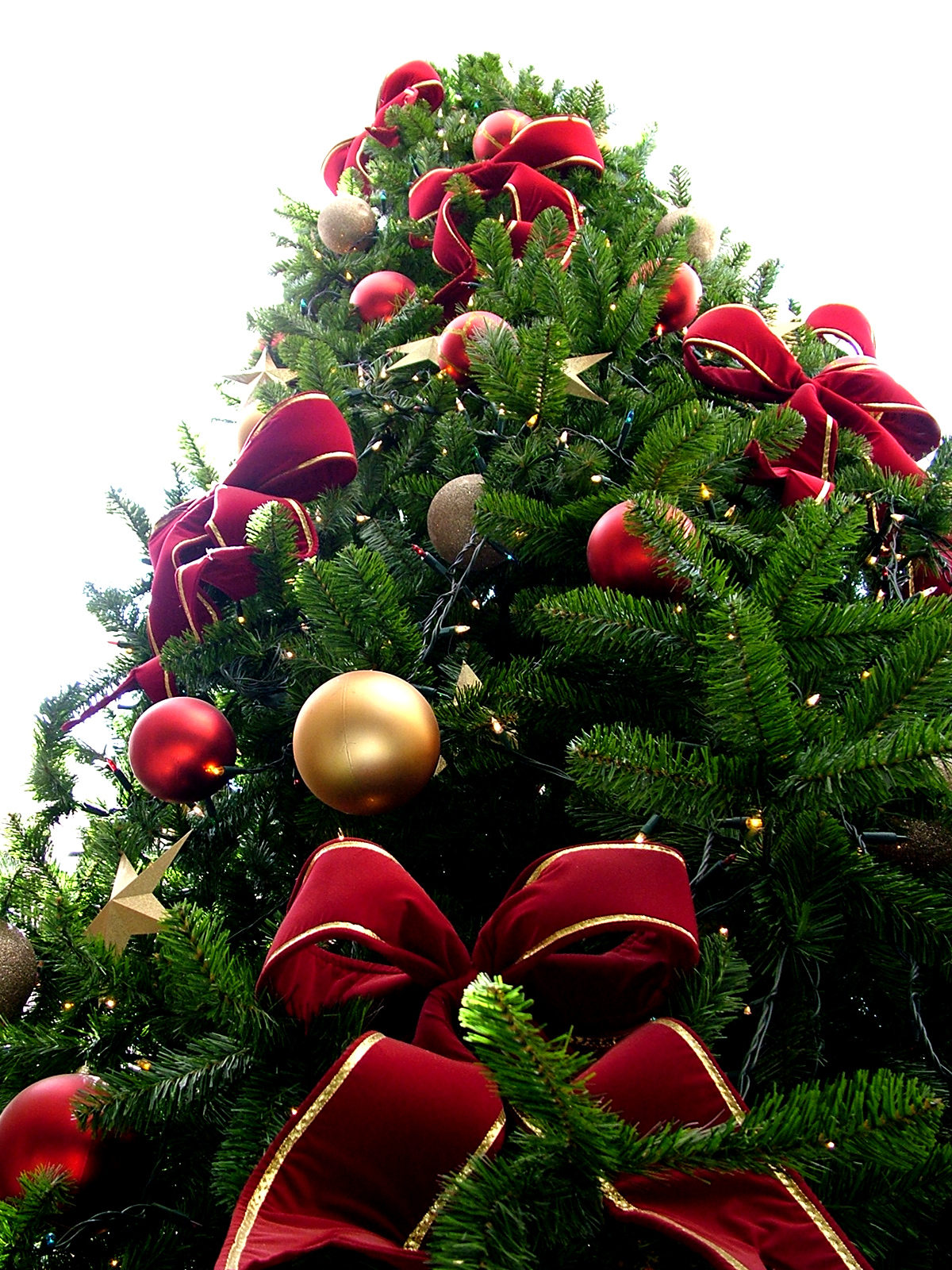
- Decorating with evergreens—trees, wreaths and boughs—to symbolize life amid winter.
- Feasting, wassailing or communal song, gift-giving and hospitality to strengthen social bonds.
- Rituals and imagery honoring solar return or life-giving forces; modern pagans sometimes mark the "birth" or turning of the Sun in seasonal mythic language.
For a contemporary pagan perspective see communities of Wiccan practitioners and for symbolic discussion see notes on Sun symbolism.
Regional variations
Local folklore produced a wide variety of Yule customs: wassailing of orchards and houses, the Yule goat in Scandinavian and northern German traditions, mumming and seasonal plays in rural England, and particular family or village practices tied to hearth and harvest calendars. What counted as Yule in medieval Scandinavia or Anglo-Saxon England differs in detail from later or reconstructed neo‑pagan observances.
Modern observance and distinctions
Today Yule is observed in overlapping but distinct ways. Many Christians celebrate Christmas at the same season and share some customs, while those emphasizing pre-Christian seasonal cycles retain the term Yule for ritual or cultural purposes. Contemporary pagan and Wiccan groups typically mark Yule on or near the solstice with altars, seasonal colours and rites that honour both light and the natural world. Others celebrate both Christmas and a separate Yule season or use Yule as a cultural label for winter festivities. See comparative notes on modern Christian observance and on interactions with European Christian traditions.
Timing and calendar notes
Yule observance is tied loosely to the astronomical solstice but calendar practices varied regionally: some communities held fixed dates, others observed the solstice itself. Folklore often extended Yule into a season rather than a single day, and many derived traditions were adapted to local liturgical calendars after Christianization.
Legacy and scholarly caution
Many well-known winter customs—evergreens, feasting, songs and the near-universal longing for returning light—have been interpreted as survivals of Yule. Scholars approach reconstructions cautiously, because the written record is uneven and later Christian authors sometimes altered or reinterpreted older practices. For background reading consult comparative studies in pagan history and regional surveys of northern European folk customs.
Note: This article summarizes broadly accepted patterns; specific local practices and precise historical details remain subjects of ongoing research.
Related articles
Author
AlegsaOnline.com Yule (Yuletide): Winter Solstice Traditions, Origins, and Practices Leandro Alegsa
URL: https://en.alegsaonline.com/art/110220