
Yanomami: Indigenous Peoples of the Amazon Rainforest
Overview of the Yanomami peoples: location, social structure, housing (shabono), subsistence, culture, history of contact, and contemporary challenges and rights.
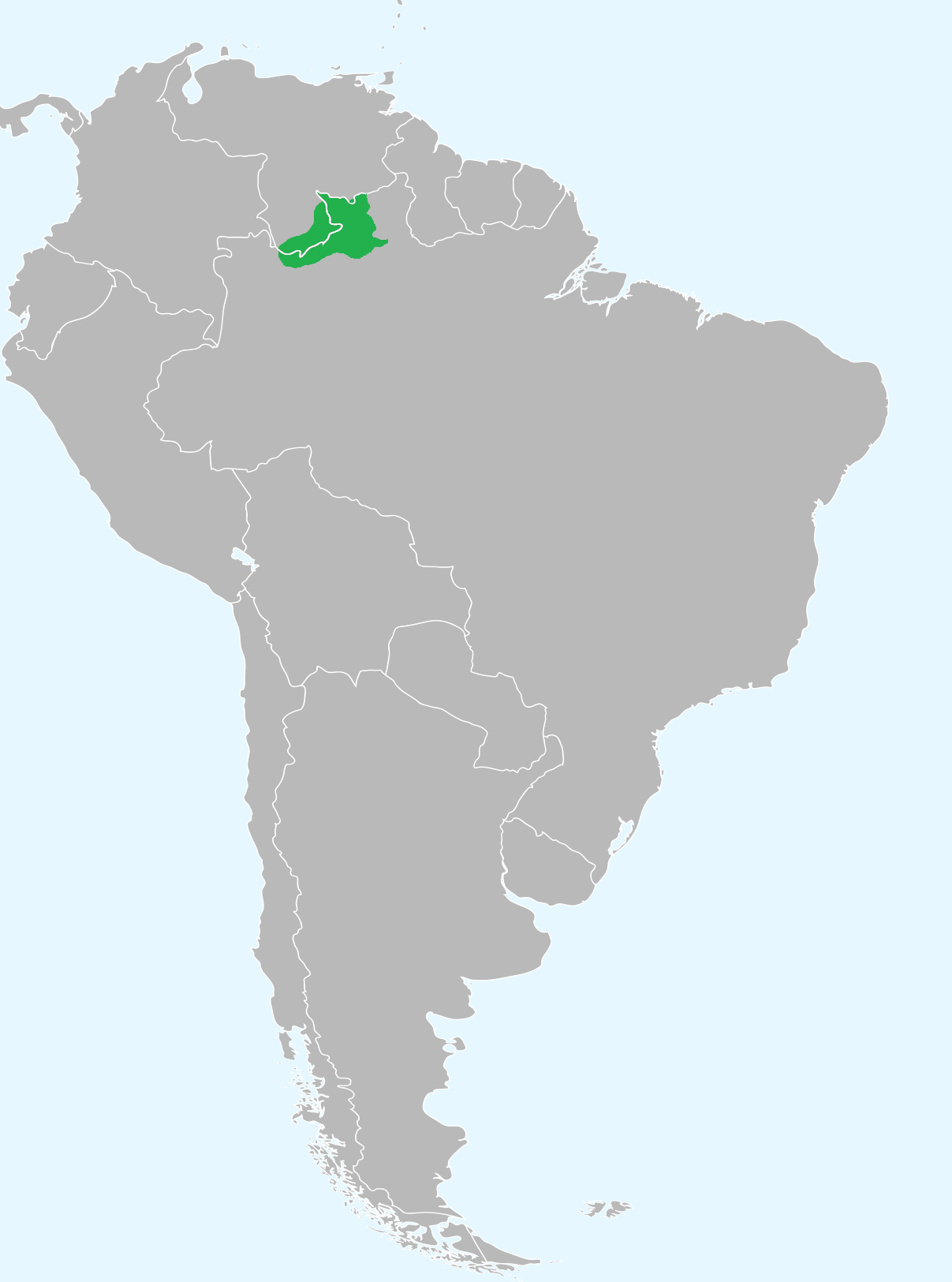
The Yanomami are indigenous peoples of the Amazon Basin who live primarily along the border region between Venezuela and Brazil. Groups live in Venezuela's southern Amazonas region and in Brazil's northern states of Amazonas and Roraima. The name "Yanomami" is commonly rendered as "people" or "human beings" in their own languages. Estimates of population size vary; recent counts put the total community in the tens of thousands divided among roughly two hundred to two hundred fifty villages. Many communities continue to live in large communal dwellings and maintain traditional lifeways despite increasing external pressures. Venezuela Brazil
Image gallery
8 Images



Physical layout and housing
Villages are often organized around a single large circular or oval communal structure commonly called a shabono. Constructed from local timber, palm thatch and other plant materials, a shabono is divided into family sections radiating from a central open area used for social life and ceremonies. These dwellings are flexible and may be rebuilt or relocated when resources near a site decline. The architecture reflects a communal focus and the seasonal, mobile character of horticultural life. shabonos
Subsistence and daily life
- Primary food production is small-scale swidden horticulture — cultivation of plantains, manioc (cassava), maize and other staples.
- Supplementary hunting, fishing and gathering provide protein and wild foods; hunting with bows or traps remains important.
- Domestic tasks, child rearing and horticultural labor are mostly organized within household and kinship networks, often with gendered roles.
Social organization and belief
Yanomami societies are organized around kinship, village affiliation and lineage ties. Leadership is generally informal: influential elders or headmen gain authority through persuasion, successful hunting or ritual knowledge rather than centralized power. Shamanism and ritual play central roles in health, conflict resolution and cosmology. Ceremonies may involve chanting, rhythmic music and use of plant-based snuffs for altered states of consciousness. Dialects and closely related languages in the Yanomam family are spoken across villages; some speech varieties are mutually intelligible while others differ enough to limit comprehension.
History of contact and anthropological attention
The Yanomami have inhabited the rainforest for centuries. Regular contact with outsiders increased in the 20th century through missions, rubber and mining incursions, and anthropological fieldwork. Ethnographers and public figures documented Yanomami culture extensively, sometimes leading to debate over representation and the effects of outsider presence. Contact-era epidemics, resource extraction and road-building have had dramatic effects on population health and community stability.
Contemporary challenges and rights
Today Yanomami communities confront threats from illegal mining, deforestation, contamination of rivers, and encroachments that undermine traditional livelihoods. Many organizations and national governments have recognized land rights and supported demarcation, but enforcement remains uneven. Health initiatives, culturally grounded education and legal recognition are among the ongoing priorities advocated by Yanomami leaders and allies. For additional background on geography, culture and contemporary issues see country and regional resources. Amazonas state Roraima.
Related articles
Author
AlegsaOnline.com Yanomami: Indigenous Peoples of the Amazon Rainforest Leandro Alegsa
URL: https://en.alegsaonline.com/art/109630