
Yupik peoples: culture, language, and history
Overview of the Yupik peoples of Alaska and the Russian Far East, covering distribution, languages, subsistence, beliefs and ceremonies, historical impacts, and contemporary issues.
The Yupik (Yup'ik in Central Alaskan Yup'ik; plural Yupiit) are Indigenous peoples of western and southwestern Alaska and parts of the Russian Far East. Communities live along the Bering Sea coast, on the Yukon-Kuskokwim Delta, on islands such as St. Lawrence Island, and in other riverine and coastal locations. Their lifeways are closely tied to maritime and seasonal environments. For regional information see geography and communities.
Image gallery
10 Images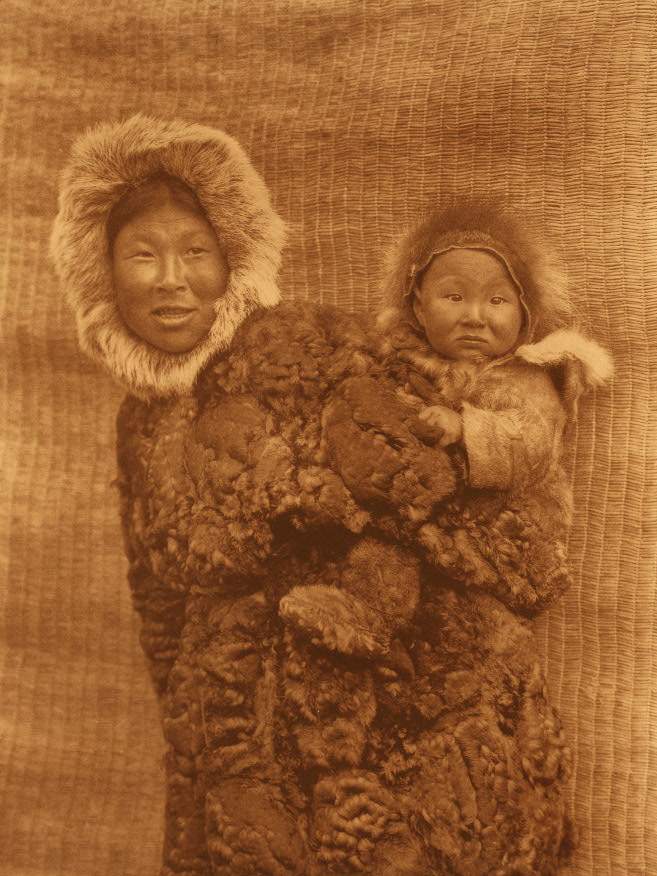


Language and subgroups
Yupik languages are a branch of the Eskimo–Aleut family. The largest spoken variety in Alaska is Central Alaskan Yup'ik, and related groups include Siberian Yupik and various dialects and local forms sometimes identified by community names (for example Cup'ik dialects in some villages). Language, dialect, and oral traditions remain central to Yupik identity, and there are active efforts in communities to teach and revitalize native languages in schools and cultural programs. See language and education for resources.
Traditional subsistence and material culture
Subsistence activities have long structured Yupik life. Hunting, fishing, and gathering supply food, clothing and raw materials, and seasonal rounds follow the movements of fish, marine mammals and birds. Typical resources and technologies include:
- Fishing for salmon and other species in rivers and coastal waters;
- Hunting marine mammals such as seals, walrus and, in some areas, whales;
- Harvesting birds, caribou and small land mammals, and gathering berries and plants;
- Craft traditions such as skin sewing for clothing, carving of ivory and wood, and the construction and use of umiaks and skin boats.
Traditional shelters, tools and communal structures (for example winter men's community houses known in some regions) supported social life and seasonal work. Artistic practices — mask carving, dance regalia, basketry and sewn garments — continue to play important ceremonial and everyday roles. More on arts and craft traditions appears at cultural arts and crafts.
Beliefs, ceremonies and naming
Historically Yupik spiritual life included animist beliefs and the role of shamans (often called angalkuq or similar local terms) who acted as intermediaries with spirit beings. Ceremonies involved song, dance and masked performances linked to hunting, seasonal change and social memory. A widespread naming practice honors recently deceased relatives by giving their names to newborns, a way communities describe continuity between generations. Many communities today combine traditional practices with Christian influences. Learn about ceremonial life at ceremonies and ritual traditions.
History and contemporary issues
Contact with outsiders brought major changes: the Russian fur trade and later American governance in Alaska, missionary activity, and disease outbreaks such as the 1918 influenza pandemic that caused heavy losses among Indigenous populations. In the 20th century, Soviet policies affected Siberian Yupik communities across the Bering Strait, and Alaska Native communities experienced schooling and settlement changes under U.S. rule. Today Yupik people pursue cultural preservation, language programs, regional and tribal governance, and economic strategies while confronting contemporary challenges such as climate change impacts on sea ice and subsistence resources, food security concerns, and legal issues around subsistence rights. Current initiatives and historical context are summarized at history and contemporary resources.
Related articles
Author
AlegsaOnline.com Yupik peoples: culture, language, and history Leandro Alegsa
URL: https://en.alegsaonline.com/art/110238