
Amazonas (Venezuela): geography, peoples, ecology and economy
Amazonas is a vast, sparsely populated state in southern Venezuela, known for extensive rainforest, high indigenous population, rich biodiversity and river networks centered on Puerto Ayacucho.
Amazonas is a large, sparsely populated state in the southern part of Venezuela. Covering roughly 176,899 km², it is one of the country's most extensive territorial divisions and had an estimated population of about 142,200 in 2007. The state capital and main urban center is Puerto Ayacucho. Amazonas stands out within Venezuela for having the country's highest proportion of residents who identify as indigenous.
Image gallery
10 Images

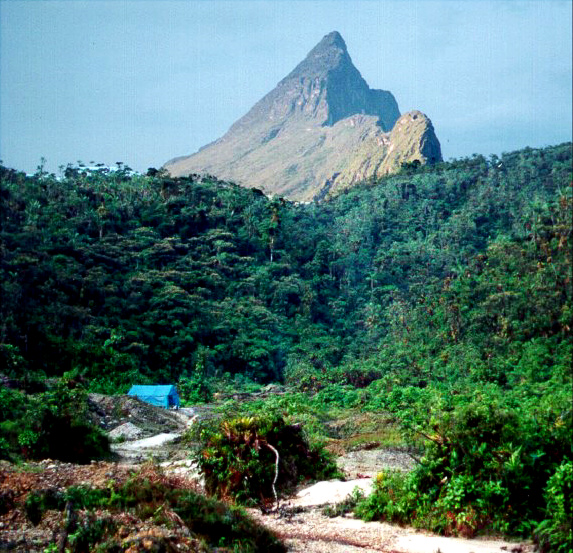


Geography and environment
The landscape of Amazonas is dominated by lowland tropical rainforest, dissected by rivers that drain toward the Orinoco and Amazon basins. The terrain includes extensive floodplains, winding waterways and isolated table-top mountains (tepuis) and highlands such as the Serranía de la Neblina and other upland blocks. The climate is equatorial: hot, humid and characterised by heavy seasonal rainfall. This combination of habitats supports exceptionally rich flora and fauna and numerous endemic species.
People, languages and culture
Indigenous peoples form a significant share of the state's population. Several ethnic groups live in Amazonas, including Yanomami, Ye'kuana, Piaroa, Curripaco and others, each with distinct languages, social systems and material cultures. Traditional livelihoods—such as fishing, small-scale agriculture, hunting, and craft-making—remain important alongside greater interaction with national markets. Indigenous communities also maintain cultural practices tied to place, ritual and forest management.
History and administration
The region long remained on the margins of colonial and republican settlement, with administration historically organized differently from the more populated Andean and coastal regions. Over time Amazonas has evolved from sparsely governed frontier territory into a formal state within Venezuela's federal system. Its remoteness and limited road network have helped preserve large tracts of intact forest but have also constrained economic development and public services.
Economy and transport
The local economy is largely based on subsistence and small-scale activities: agriculture, fishing, riverine commerce, artisanal crafts and limited timber extraction. In some areas ecotourism and research generate income. Navigation on major rivers and air travel to Puerto Ayacucho are the principal means of access; road connectivity is limited and seasonal. Economic pressures include requests for infrastructure, tension over resource use, and the influence of illegal mining in parts of the region.
Conservation and notable places
Amazonas contains important protected areas and landscapes valued for biodiversity and cultural heritage. Notable natural features include tepuis and sacred sites such as Cerro Autana and stretches of pristine river systems. Conservation efforts involve national authorities, local communities and international partners seeking to balance protection of habitats and rights of indigenous peoples. Threats include deforestation, mining and the social impacts of outside economic activities.
Visiting and significance
For visitors, Amazonas offers boat journeys, birdwatching, encounters with indigenous cultures and exploration of remote uplands and waterfalls. The state plays a central role in Venezuela's environmental stewardship and in the cultural diversity of the nation, serving as a living archive of Amazonian ecosystems and traditional ways of life.
- Capital: Puerto Ayacucho
- Features: extensive rainforest, rivers, tepuis
- Demography: low population density, high indigenous share
Related articles
Author
AlegsaOnline.com Amazonas (Venezuela): geography, peoples, ecology and economy Leandro Alegsa
URL: https://en.alegsaonline.com/art/3264