
Roraima: Brazil's Northernmost State — Geography, People, and Key Facts
Roraima is the northernmost and least populated state of Brazil, bordering Pará, Amazonas, Venezuela and Guyana. This article outlines its geography, history, peoples, economy and notable features.
Overview
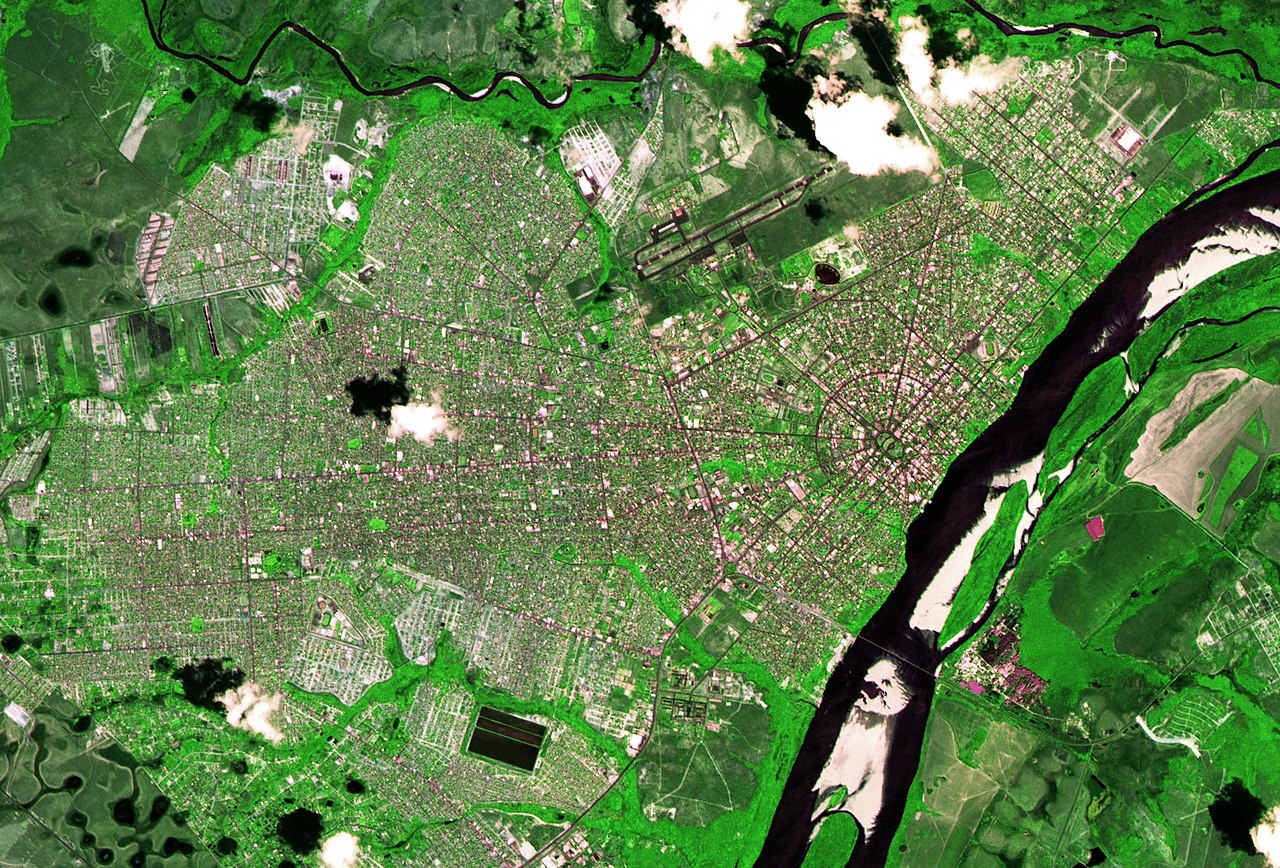
Roraima is a state in Brazil situated at the extreme north of the country. It is notable for its large territory combined with a very low population density — often described as the least populated state in the nation. The state capital is Boa Vista, a city located on the banks of the Branco River that serves as the administrative and commercial center.
Image gallery
10 Images


Geography and environment
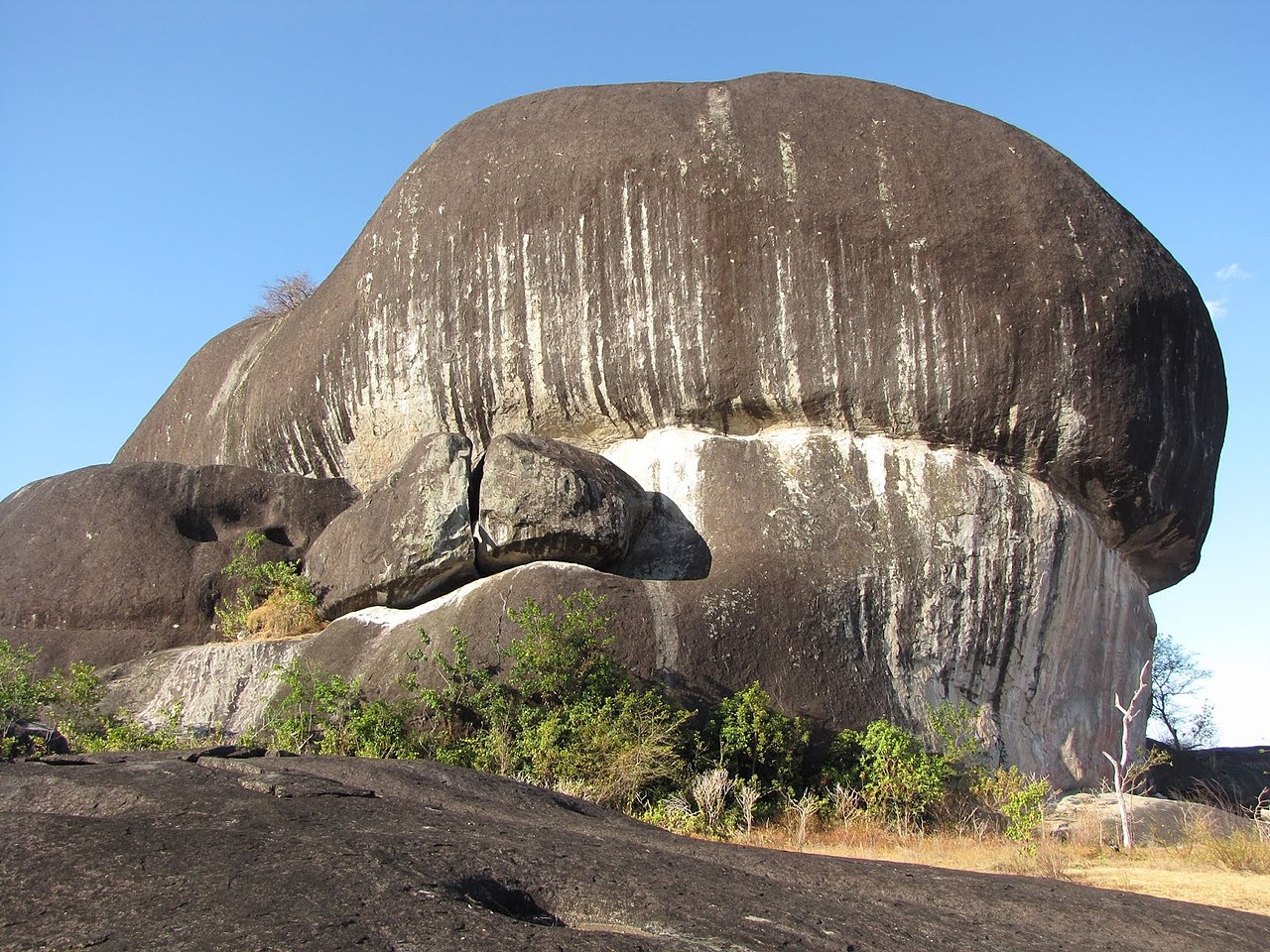
Roraima occupies a varied landscape that includes parts of the Amazon rainforest, upland plateaus and savanna-like plains known locally as the Lavrado. The region is influenced by the Pacaraima mountain range and is associated with Mount Roraima at the tri-border area. Major waterways, especially the Branco River, feed into wider Amazonian river systems and shape local settlements and ecosystems.
Borders and neighboring territories
The state shares frontiers with the Brazilian states of Pará and Amazonas, and with the neighboring countries of Venezuela and Guyana. Its position on international borders gives Roraima strategic importance for cross-border trade, migration and conservation efforts. It also creates complex jurisdictional and social dynamics along frontier towns and indigenous lands.
History and peoples
Roraima's modern administrative history dates from the mid-20th century when it was organized as a federal territory; it later became a state under Brazil's 1988 constitution. The territory has long been inhabited by diverse indigenous groups, including Yanomami, Macuxi and Wapishana communities, who maintain distinct languages, cultures and land claims. Settlement and economic development increased in the 20th century, bringing new towns, ranching and small-scale industry.
Economy, land use and conservation
The local economy combines public administration, services centered in Boa Vista, cattle ranching, mining and subsistence agriculture. Tourism focused on natural attractions — such as tabletop mountains and wilderness areas — contributes to local income but remains limited compared with larger Brazilian states. Conservation is a major concern: large indigenous territories and federal protected areas aim to safeguard rainforest and savanna habitats while balancing indigenous rights and economic pressures.
Notable facts and distinctions
- Roraima is the northernmost state of northern Brazil with direct international borders.
- It contains both dense Amazon forest and open savanna regions, making it ecologically diverse.
- Indigenous cultures are a prominent feature of the state’s identity and land governance.
For readers seeking more detail on administration, demographics or travel, official and regional sources provide up-to-date statistics and guidance on protected areas, indigenous lands and border regulations. Brazil's federal agencies and regional bodies publish material on Roraima's development and conservation planning.
Questions and answers
Q: Where is Roraima located?
A: Roraima is located in the northern part of Brazil.
Q: Which states share borders with Roraima?
A: Roraima shares borders with the states of Pará and Amazonas.
Q: What are the neighboring countries of Roraima?
A: Roraima shares borders with Venezuela and Guyana.
Q: Is Roraima a densely populated state of Brazil?
A: No, Roraima is the least populated state of Brazil.
Q: What is the geographic significance of Roraima?
A: Roraima is the northernmost state of Brazil.
Q: How many states are there in Brazil, including Roraima?
A: There are 26 states in Brazil, including Roraima.
Q: Name the two countries that share a border with Roraima.
A: The two countries that share a border with Roraima are Venezuela and Guyana.
Related articles
Author
AlegsaOnline.com Roraima: Brazil's Northernmost State — Geography, People, and Key Facts Leandro Alegsa
URL: https://en.alegsaonline.com/art/84102
Sources
- ibge.gov.br : ibge.gov.br/