
Yakutat, Alaska
Remote city-and-borough on the Gulf of Alaska coast, traditional Tlingit homeland with glaciers, rich salmon fisheries and a small population (662 at the 2010 census). Accessible mainly by air and sea.
Yakutat (Tlingit: Yaakwdáat, pronounced YAK-ə-tat) is a consolidated city and borough in the U.S. state of Alaska. It is a sparsely populated coastal community; the population was recorded as 662 at the 2010 census. Yakutat combines municipal government with borough responsibilities and is best known for its dramatic coastal landscape and subsistence-oriented culture.
Image gallery
10 Images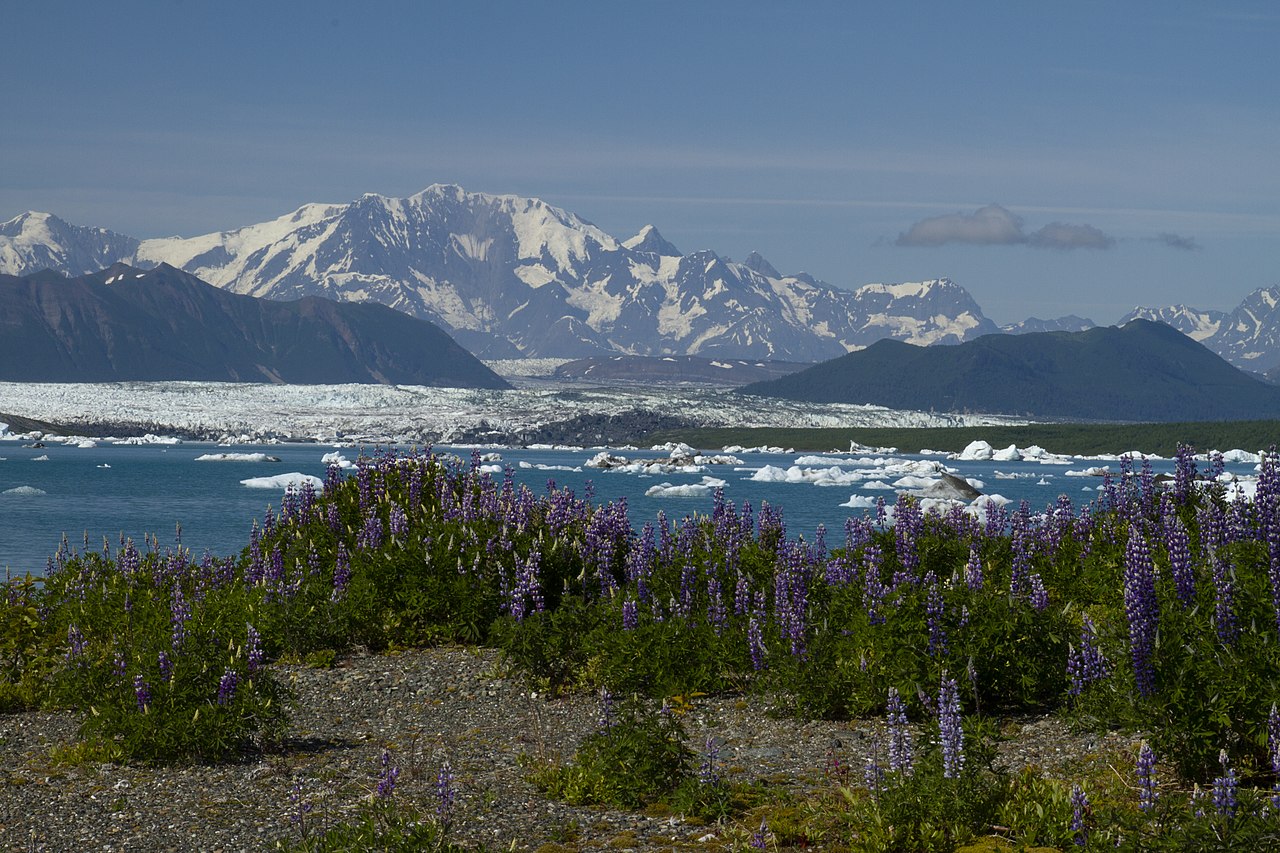




Geography and climate
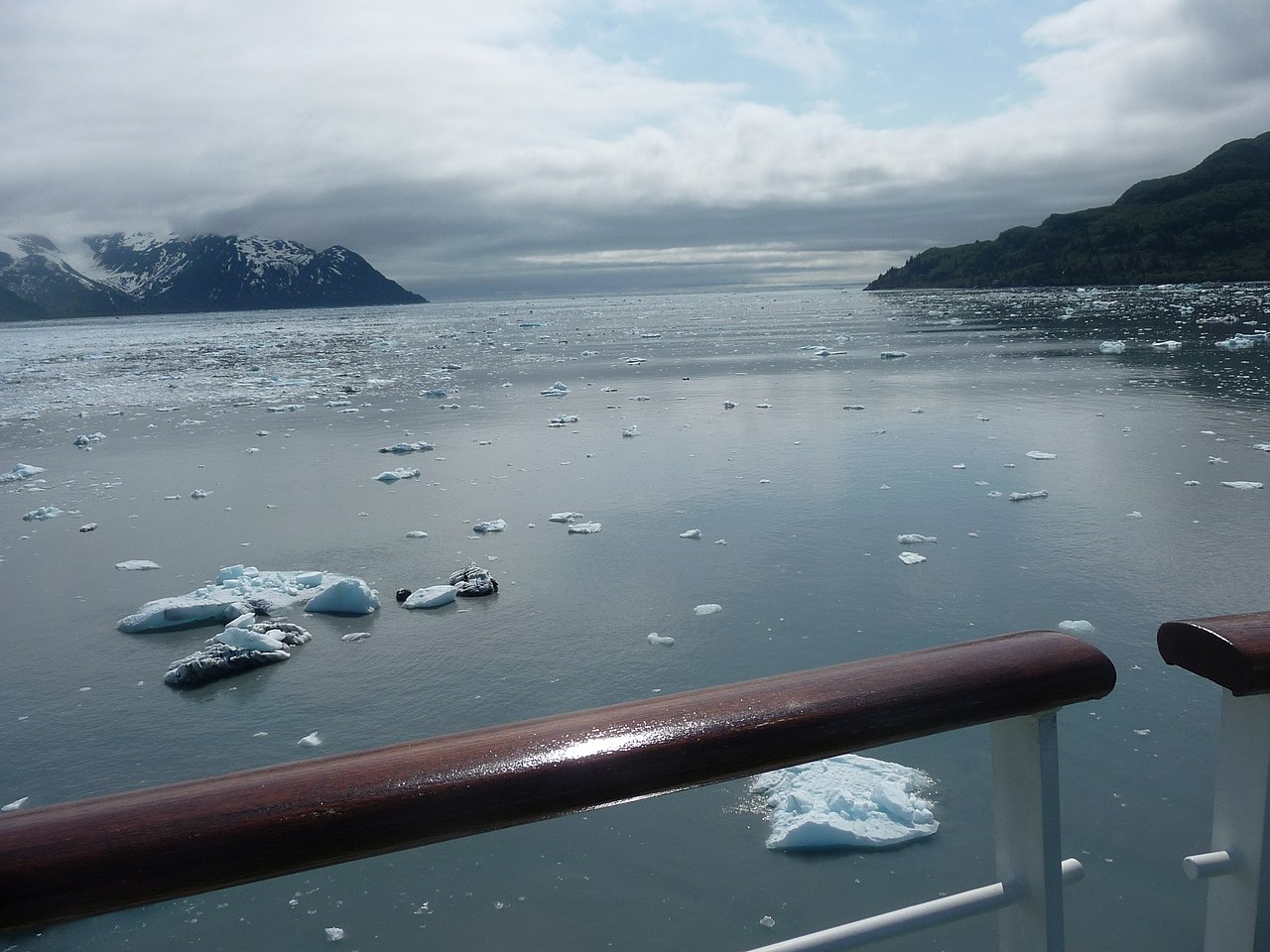
Yakutat lies on the Gulf of Alaska at the head of Yakutat Bay and is framed by the St. Elias Mountains and tidewater glaciers such as Hubbard Glacier. The area is part of the temperate rainforest zone: it receives heavy precipitation, supports dense forest and wetlands, and has relatively mild winters compared with Alaska's interior. Rivers, coastal inlets and glaciers shape local ecosystems and provide rich habitat for salmon and marine mammals.
Characteristics and communities
The borough covers an extensive area relative to its population, producing one of the lowest population densities among U.S. local governments. The settlement pattern centers on the city of Yakutat and outlying subsistence camps; many residents are Alaska Native, primarily Tlingit, and cultural life blends traditional practices with contemporary services.
History and cultural importance
The Yakutat region has been inhabited by Tlingit peoples for millennia. European and Russian contact in the 18th and 19th centuries introduced trade, new economic activities and, later, American governance after Alaska became part of the United States. Tlingit language, art and subsistence traditions remain important to community identity, including seasonal salmon harvesting and communal events.
Economy, recreation and access
Commercial and subsistence fishing—especially salmon and halibut—are central to Yakutat's economy. Sport fishing, guided hunting and glacier sightseeing bring visitors interested in wildlife and remote wilderness experiences. There are no direct road connections to Alaska's highway network; access is primarily by air via Yakutat Airport and by boat or seasonal marine service. Local roads serve the immediate region.
Notable facts
- Yakutat's proximity to glaciers and abundant fisheries makes it a focal point for natural-science and outdoor recreation.
- Its Tlingit name, Yaakwdáat, reflects the community's Indigenous roots and ongoing cultural practices.
- The borough's small population and large land area create unique governance and service challenges common to remote Alaska communities.
For further information on administrative details, demographics and services, consult official state and federal resources linked above.
Related articles
Author
AlegsaOnline.com Yakutat, Alaska Leandro Alegsa
URL: https://en.alegsaonline.com/art/109563
Sources
- dced.state.ak.us : "The Home Rule Charter of the City and Borough of Yakutat"
- commerce.state.ak.us : "Yakutat"
- commerce.state.ak.us : "Alaska Taxable 2011: Municipal Taxation - Rates and Policies" · web.archive.org
- quickfacts.census.gov : "State & County QuickFacts"