
Qin Shi Huang — First Emperor of a Unified China
Qin Shi Huang (259–210 BC) was the founder of the Qin dynasty and the first ruler to unify the Chinese states under a single imperial authority, noted for centralizing reforms and monumental projects.
Overview
Qin Shi Huang (Chinese: 秦始皇), born Ying Zheng (also recorded as Zhao Zheng), rose from prince of the state of Qin to become King of Qin as a teenager and then proclaimed himself the first emperor of a unified China in 221 BC. He founded the Qin dynasty (Qin dynasty) and ruled until his death in 210 BC, leaving a mixed legacy of strong centralization and severe measures.
Image gallery
10 Images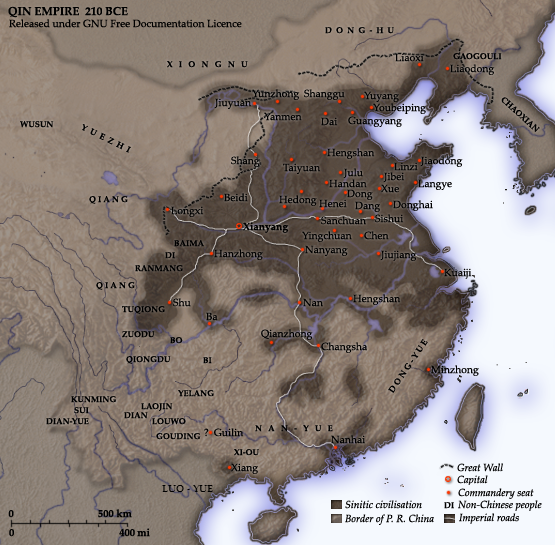
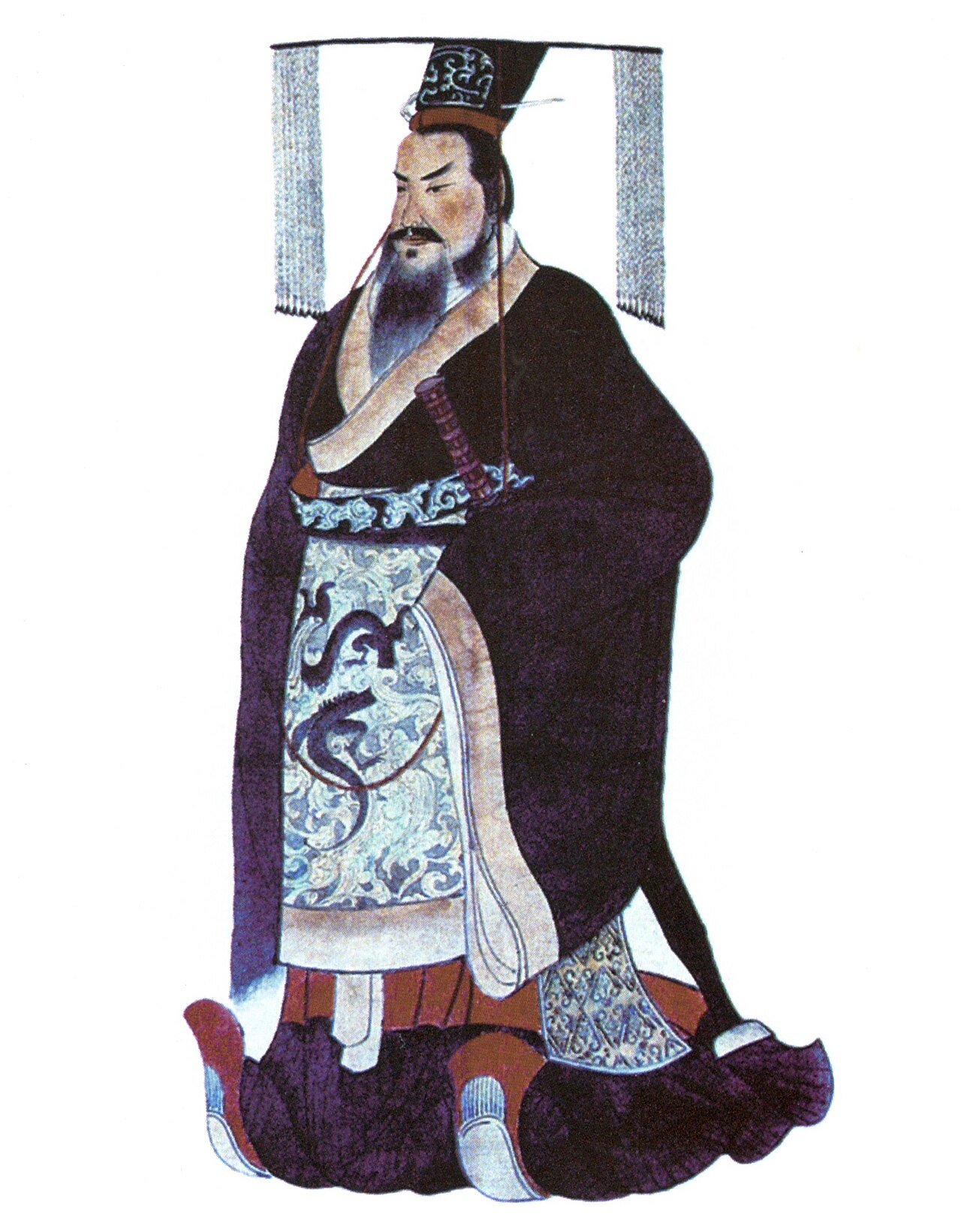


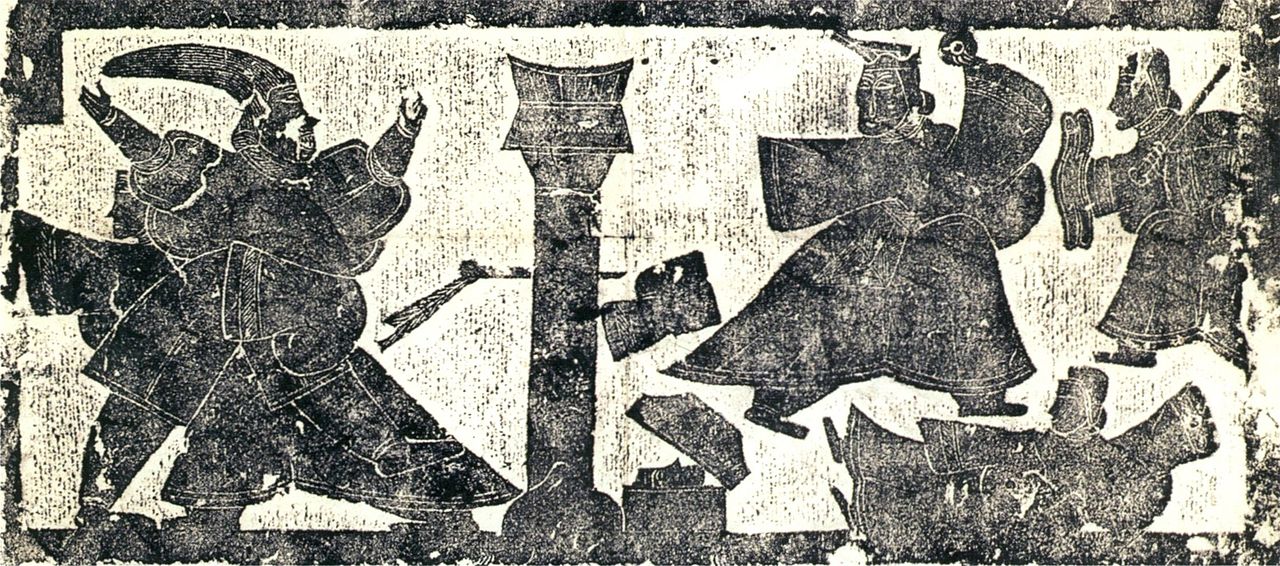


Early life and rise to power
Born into the ruling family of Qin, Ying Zheng assumed authority in a period known as the Warring States. Under Qin leadership and through military conquest, the various independent states were defeated or annexed. At about age 38 he adopted the new title 'Shi Huangdi'—literally "First Sovereign Emperor"—to signal a new imperial order that superseded older kingship.
Major reforms and administration
To bind the newly unified territories, Qin Shi Huang implemented sweeping administrative and cultural reforms. He standardized written script, units of weight and measure, coinage, and axle lengths for carts to facilitate communication and trade across regions. The government was highly centralized, with power concentrated in the emperor's bureaucracy and officeholders appointed by the central state rather than by local heredity.
Projects and policies
- Infrastructure: roads and canals were expanded to improve military movement and commerce, and state construction connected defensive walls of former states into early forms of the Great Wall.
- Construction of an elaborate imperial mausoleum near present-day Xi'an, famously guarded by the Terracotta Army discovered millennia later.
- Legal and ideological measures: Qin rule favored Legalist principles of strict laws and centralized control; policies sometimes included harsh punishments and suppression of dissent.
Legacy and controversies
Historical accounts emphasize both Qin Shi Huang's achievements in unification and the severity of his methods. Ancient chroniclers record episodes such as the alleged burning of books and execution or burying alive of some scholars, though historians debate the extent and interpretation of these acts. His search for immortality and the circumstances of his own death—sometimes associated with toxic substances taken as elixirs—are widely cited but remain partly speculative.
Importance and historical impact
Qin Shi Huang's reign established institutions and standards that shaped later imperial China: a unified territory under a centralized bureaucracy, common systems of writing and measurement, and a model of an emperor as the supreme ruler. His short dynasty was followed by the Han, which retained many Qin innovations while tempering its harsher practices. Today Qin Shi Huang is remembered as a pivotal figure who transformed Chinese political organization and left enduring physical and cultural traces.
Notable facts
- Title: "First Emperor" indicated a new imperial order rather than a regional kingship.
- Terracotta Army: thousands of life-sized figures were made to accompany his tomb.
- Standardization reforms facilitated administrative unity across diverse regions.
Questions and answers
Q: Who was Qin Shi Huang?
A: Qin Shi Huang was the founder of the Qin dynasty and the first emperor of a unified China.
Q: What was Qin Shi Huang's birth name?
A: Qin Shi Huang's birth name was Ying Zheng or Zhao Zheng.
Q: What was Qin Shi Huang's title before becoming the first emperor of China?
A: Qin Shi Huang's title before becoming the first emperor of China was King Zheng of Qin.
Q: At what age did Qin Shi Huang become King Zheng of Qin?
A: Qin Shi Huang became King Zheng of Qin at the age of thirteen.
Q: When did Qin Shi Huang become the first emperor of a unified China?
A: Qin Shi Huang became the first emperor of a unified China when he was 38 years old in 221 BC.
Q: What did Qin Shi Huang do to unify all of China?
A: Qin Shi Huang's Qin dynasty ruled all of the other Warring States and unified all of China.
Q: When was Qin Shi Huang born and when did he die?
A: Qin Shi Huang was born on February 18, 259 BC and died on September 10, 210 BC.
Author
AlegsaOnline.com Qin Shi Huang — First Emperor of a Unified China Leandro Alegsa
URL: https://en.alegsaonline.com/art/129057