
Writer's block: causes, types, history, and practical strategies
An accessible overview of writer's block: what it is, common causes and forms, brief historical perspective, and practical methods writers use to overcome it.
Writer's block is a widely used term for the diminished ability or inability to produce new written material. It can be short-lived — a few hours or days — or persist for months or years. The experience ranges from a temporary stall in a single project to a more general loss of creative confidence that affects all writing activities.
Image gallery
1 Image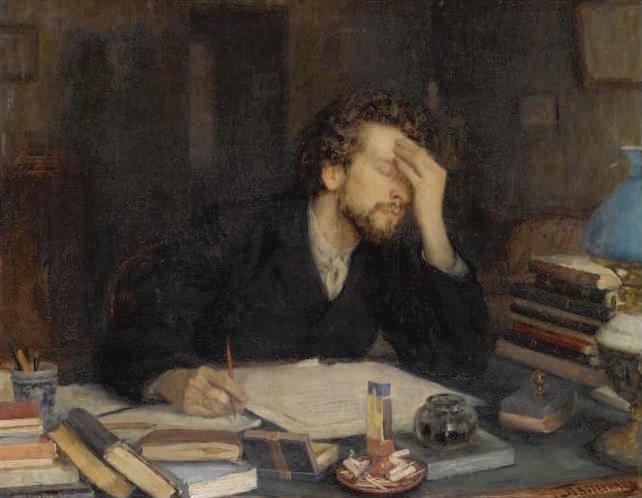
Characteristics and forms
People describe writer's block in different ways: a lack of ideas, an inability to find the right words, paralysis caused by perfectionism, or simple procrastination. Some useful distinctions include:
- Situational block: stuck on a particular scene, chapter, or assignment.
- Prodromal or intermittent block: occasional dry spells between productive periods.
- Chronic creative block: ongoing difficulty initiating new work, sometimes linked to broader psychological issues.
Common causes
Causes often overlap and can be psychological, practical, or environmental. Typical contributors are:
- Pressure and deadlines that create anxiety rather than focus.
- Perfectionism and fear of criticism, which prevent putting down imperfect drafts.
- Lack of clear ideas, goals, or structure for a project.
- Burnout, fatigue, illness, or life stressors that sap creative energy.
- External interruptions or unsuitable workspaces that disrupt concentration.
History and context
Accounts of creative difficulty appear across literary history, but the phrase and the modern psychological framing gained attention in the twentieth century as writers, editors and psychologists discussed productivity and creative processes. Today the term covers writers across genres — novelists, journalists, screenwriters, students and others whose work depends on generating text.
Practical approaches
Many strategies exist to reduce or resolve blocks; effectiveness varies by person and situation. Common techniques include:
- Freewriting or timed writing to lower the bar for first drafts.
- Setting small, specific goals and establishing a regular routine.
- Changing environment, medium or subject to refresh perspective.
- Using constraints (prompts, exercises, word limits) to spark ideas.
- Seeking feedback, collaboration, or professional help if anxiety or depression contribute to the problem.
For further reading and exercises see related resources and practical writing guides. Understanding the particular shape and causes of a block makes it easier to choose strategies that restore momentum.
Related articles
Author
AlegsaOnline.com Writer's block: causes, types, history, and practical strategies Leandro Alegsa
URL: https://en.alegsaonline.com/art/109238
Sources
- io9.com : "Writer's Block 10 Types"