
Winter sport
Any sport practiced on snow or ice, from recreational skiing to Olympic ice hockey; includes equipment, disciplines, history, major competitions, and environmental and safety considerations.
Overview
Winter sport refers to athletic activities that take place on snow or ice, typically during the cold months or in cold climates. Many winter sports require specialized surfaces or equipment and range from solo recreational pursuits to organized team competitions. For seasonal context, see winter season.
Image gallery
10 Images



Characteristics and equipment
These sports share a dependence on low temperatures and surfaces such as frozen lakes, prepared ice rinks, or snow-covered slopes. Participants use skis, skates, snowboards, sleds, skates, or motorized vehicles adapted for snow. Safety gear — helmets, pads, bindings and layered clothing — is essential. Some sports are contested indoors on artificial ice, while others need natural snow or purpose-built tracks.
History and development
Many winter activities evolved from practical travel and hunting techniques used in Arctic and alpine regions. Organized competition grew in the 19th and 20th centuries, culminating in international events governed by federations and by the International Olympic Committee. The Winter Olympics, held every four years, consolidated many disciplines into a global showcase. Countries with long winters such as Russia, Canada and Norway have been historically prominent in several disciplines.
Major winter sports
- Ice skating — includes figure skating and speed skating; athletes perform on ice rinks. See ice skating.
- Skiing — alpine, cross-country, and freestyle forms that use bindings and poles to travel on snow.
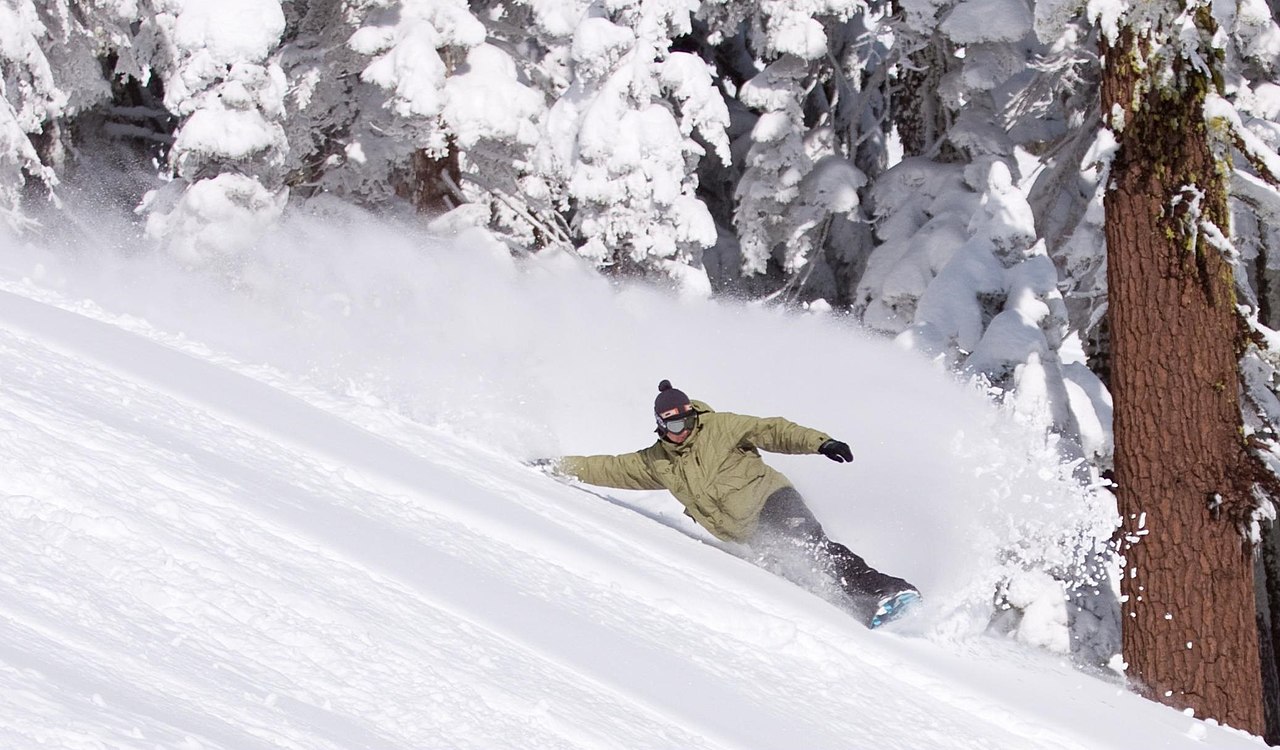
- Snowboarding — single-board discipline derived from surfing and skateboarding, now an Olympic sport.
- Sledding and bobsleigh — recreational sledding and timed runs in single- or multi-person sleds; competitive teams race in a bobsleigh.
- Ice hockey — fast, physical team sport on ice with skates and sticks.
- Bandy — a team game played on ice with rules similar to field hockey; see bandy.
- Curling — a precision team sport where players slide stones on ice toward a target; see curling.
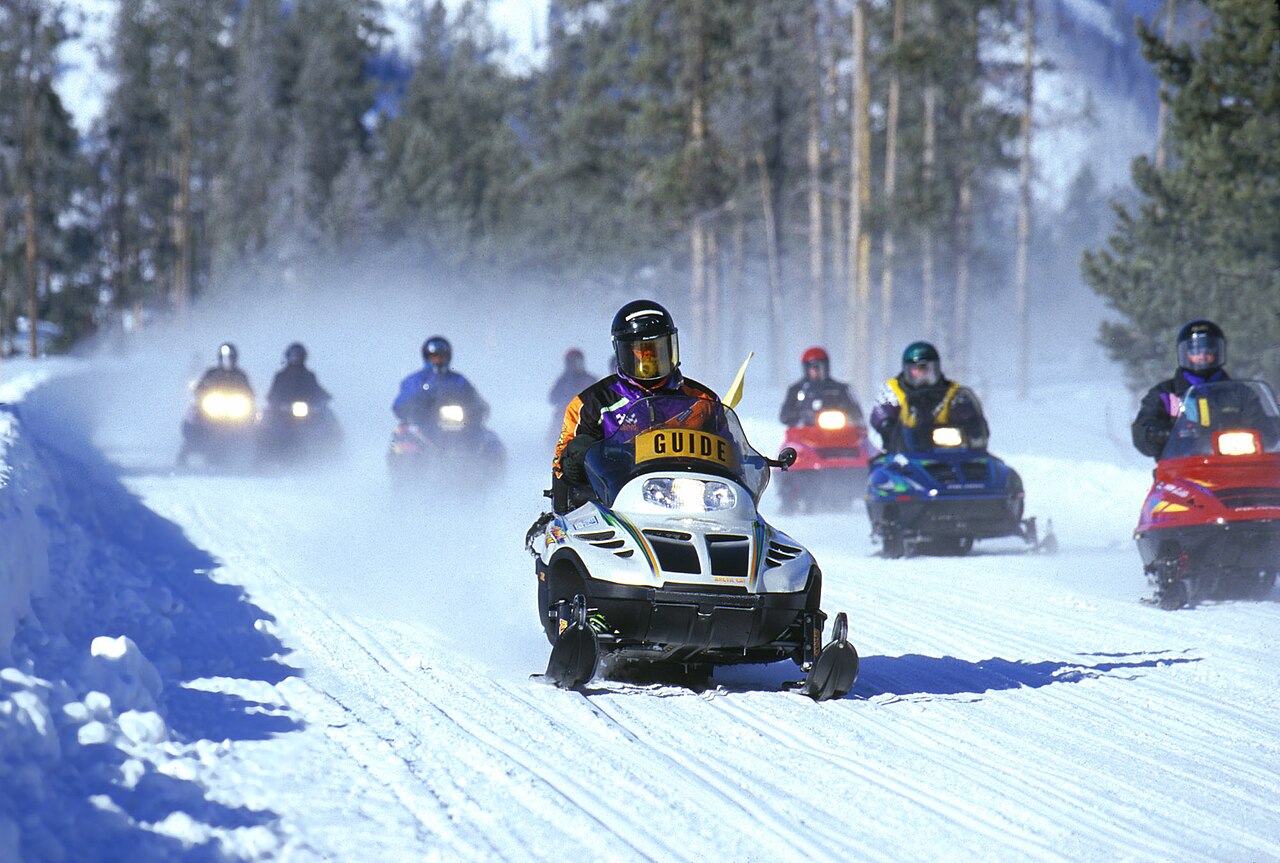
- Snowmobiling — motorized recreation and racing on snow using tracked vehicles; see snowmobile.
Competitions, recreation and importance
Winter sports contribute to tourism, local economies and national pride through events like World Cups, world championships and the Winter Olympics. They support winter resorts, equipment manufacturers and training programs, and provide year-round careers for athletes, coaches and technicians.
Notable distinctions and challenges
Disciplines differ by individual versus team focus, judged versus timed formats, and required environment (natural vs artificial). Accessibility and safety have improved with adaptive programs and protective equipment. Climate change and warmer winters are a growing challenge for snow-dependent sports, prompting investment in artificial snowmaking and indoor venues to preserve competitions and participation.
Related articles
Author
AlegsaOnline.com Winter sport Leandro Alegsa
URL: https://en.alegsaonline.com/art/108637