
Women's basketball: overview, history, rules, and cultural impact
An encyclopedic overview of women's basketball, covering its rules and equipment differences, history and development, major competitions, playing characteristics, and cultural significance.
Overview
Women's basketball is the organized team sport played under the same basic code as the men's game but adapted in equipment and competition structure. Teams of five players try to score by shooting a ball through a raised hoop while following a standard set of rules; for a detailed codification see the official rules. The sport exists at amateur, collegiate and professional levels and features international competitions as well.
Image gallery
10 Images



Rules and equipment
The objectives, scoring system and many game regulations mirror those of the men's game, although some leagues adopt specific timing, court-marking or substitution conventions. The ball used in women's play is slightly smaller and lighter than the ball used in men's competitions, which can affect handling and shooting feel. For direct comparisons, see discussions of the men's game and how lineups and substitutions are managed across genders.
History and development
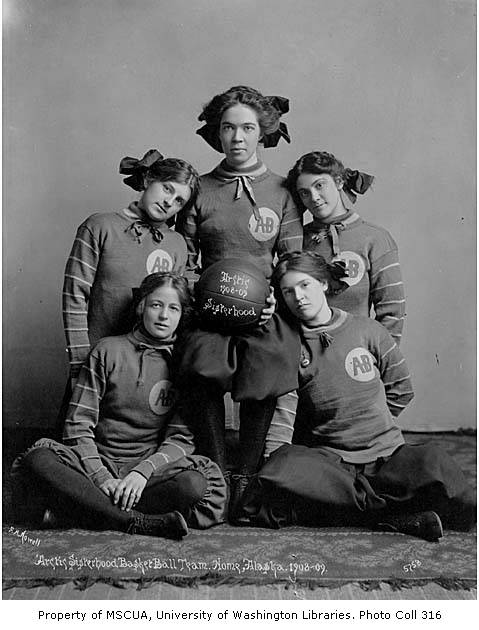
Women's basketball traces back to the late 19th and early 20th centuries, growing through school and club programs. Growth accelerated in the second half of the 20th century with increased institutional support, expanded intercollegiate competition and changes in public policy that promoted women's participation in sport. The professionalization of the game created visible domestic leagues and created pathways to international play.
Major competitions and pathways
Players commonly advance through school teams to college programs and then to professional leagues or national teams. Collegiate tournaments and championships play a prominent role in talent development and fan engagement; see more on college competitions. At the highest level, women's teams compete in professional domestic leagues and in global events such as continental championships and the Olympic basketball tournament.
Style of play and notable distinctions
While fundamentals—passing, dribbling, shooting, rebounding, defense—are universal, playing styles can differ by level and region. Common observations include emphasis on ball movement, team-oriented offense and varied defensive schemes. Distinctions to note include:
- Equipment differences: slightly smaller, lighter ball for women’s competitions.
- Competition formats: timing and roster rules can vary by league and governing body.
- Pathways: collegiate systems are key feeders to professional and international teams.
Cultural importance and trends
Women's basketball has grown in visibility and commercial interest, contributing to wider conversations about gender equity in sport and opportunities for athletes. Its teams and players often serve as role models, and the game continues to expand through youth programs, media coverage and international exchanges. Continued investment and audience growth suggest the sport will remain a significant part of global basketball culture.
Related articles
Author
AlegsaOnline.com Women's basketball: overview, history, rules, and cultural impact Leandro Alegsa
URL: https://en.alegsaonline.com/art/108871