
Winter swimming: ice bathing, traditions, health and safety
Winter swimming (also ice swimming) is swimming in unheated outdoor water during winter. This article explains venues, cultural traditions, health effects, risks, events and practical safety advice.
Overview
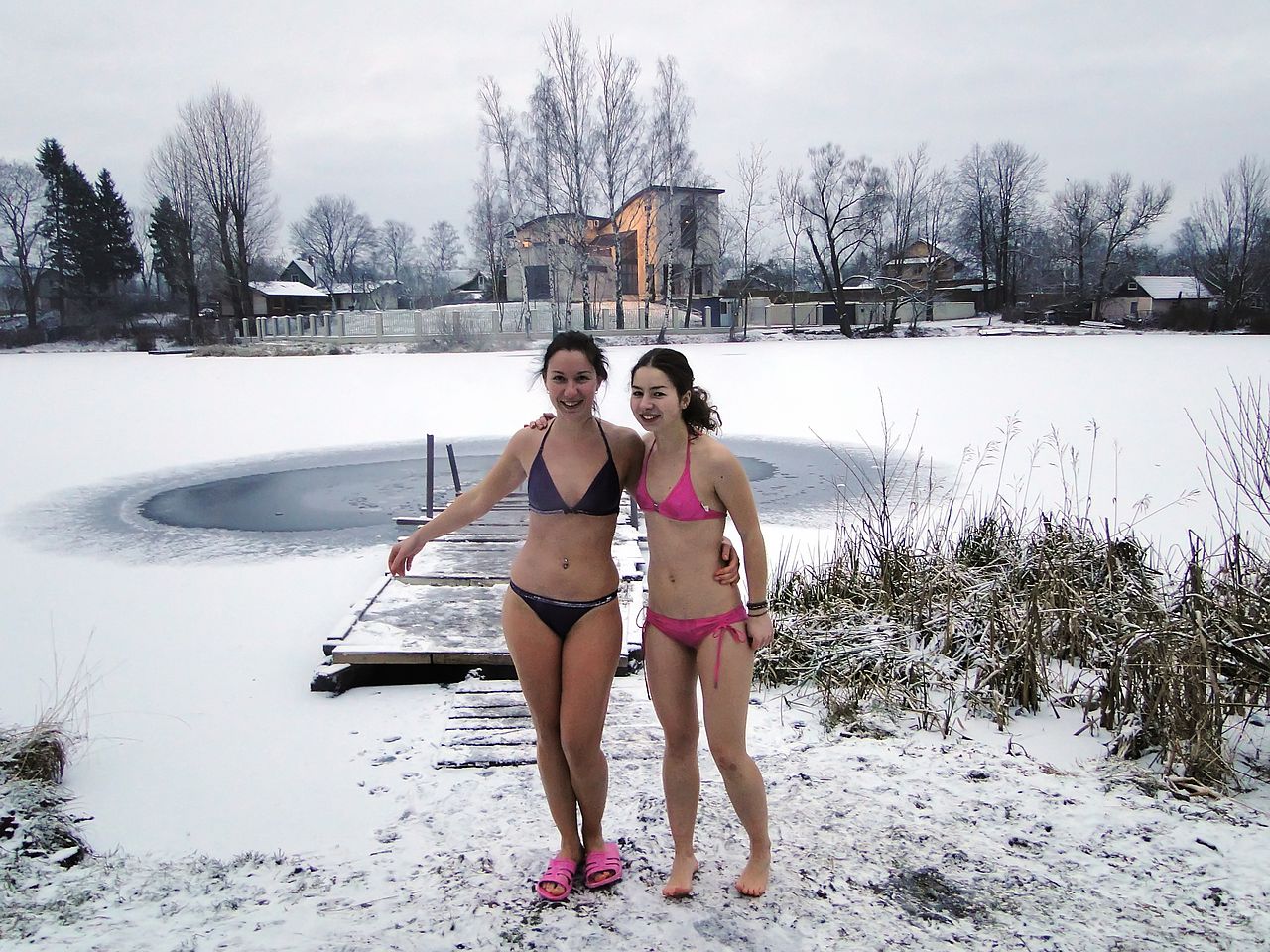
The practice of swimming during winter usually takes place outdoors in lakes, rivers, coastal waters or in unheated pools and lidos. When water and surface ice coexist the activity is often called ice swimming. Individuals range from people who make a brief plunge to those who swim lengths in cold water; many choose ordinary swimwear rather than specialized thermal suits such as wetsuits.
Image gallery
7 Images



Characteristics and venues
Winter swimming is characterised by low water temperatures, seasonal access and simple equipment. Sites vary from urban lidos and maintained bathing spots to natural shorelines where volunteers or local authorities cut and mark an ice hole. Facilities near bathing spots often provide heated changing rooms or places to warm up after immersion.
History and cultural traditions
Cold-water bathing has long associations with northern and eastern Europe and is embedded in local wellness practices. Notable regions and countries with strong winter swimming customs include Finland, Northern Russia, Norway, Sweden, Denmark, Estonia, Lithuania and Latvia. In many of these places winter swimming is practised alongside the communal sauna tradition, with alternating hot and cold exposures seen as restorative.
Health effects and risks
Participants report benefits such as increased alertness, improved mood and a feeling of vitality; some describe longer-term wellbeing gains from regular cold-water exposure. Scientific conclusions vary and benefits depend on frequency, duration and individual health. Cold immersion can trigger cold-shock responses, hypothermia or cardiovascular strain, so people with underlying conditions should be cautious.
Events and distinctions
Winter swimming takes place as informal dips, organised club activities, charity events and, in some places, formal competitions. Distinctions are typically made between casual plunges, sustained cold-water swimming and regulated ice swimming, which may have defined rules about ice cover, water temperature and safety provisioning.
Practical advice
Safe practice includes checking local conditions, never swimming alone, limiting immersion time, planning a warm recovery, and seeking medical advice if unsure. Many clubs and local authorities publish guidance and supervise popular winter bathing sites to reduce risk and support newcomers.
Questions and answers
Q: What is winter swimming?
A: Winter swimming is when people swim during the winter season, typically in outdoor locations or unheated pools or lidos.
Q: Why do people take part in winter swimming?
A: Many people take part in winter swimming for health benefits.
Q: What do winter swimmers wear?
A: Many winter swimmers wear standard swimming costumes rather than wetsuits or other thermal protection.
Q: What is ice swimming?
A: In colder countries, winter swimming may be synonymous with ice swimming.
Q: In which countries is ice swimming connected to the sauna tradition?
A: Finland, Northern Russia, Norway, Sweden, Denmark, Estonia, Lithuania, and Latvia are the countries where the ice swimming tradition has been connected with the sauna tradition.
Q: Is winter swimming only done in cold countries?
A: No, winter swimming can be done in any location with cold temperatures during the winter season.
Q: Are there any differences between winter swimming and summer swimming?
A: Yes, winter swimming is generally done in colder temperatures and outdoor locations or unheated pools or lidos, whereas summer swimming is typically done in warmer temperatures and indoor or outdoor pools.
Related articles
Author
AlegsaOnline.com Winter swimming: ice bathing, traditions, health and safety Leandro Alegsa
URL: https://en.alegsaonline.com/art/108640