
Windows Neptune — Microsoft’s unreleased consumer version of Windows
Windows Neptune was an unreleased Microsoft project (circa 1999–2000) intended as a consumer-oriented version of Windows built on the Windows NT kernel. One build leaked; features later influenced Windows XP.
Overview: Windows Neptune was an internal Microsoft project begun around 1999 to produce a consumer-friendly operating system based on the then-new Windows NT architecture. Rather than the older Windows 9x codebase, Neptune aimed to give home users the stability of Windows NT (the same core used in Windows 2000) along with simpler, task-oriented tools. The project never became a commercial product; development was eventually folded into a larger initiative that became Windows XP. Contemporary accounts and surviving files indicate Neptune was actively developed by Microsoft during 1999–2000.
Image gallery
3 Images
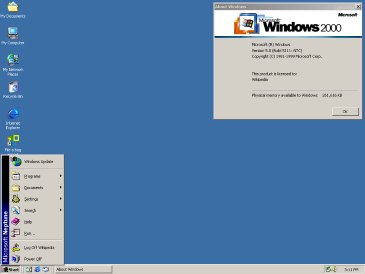

Characteristics and planned features
Neptune was intended to combine the NT kernel and driver model with an easier setup and environment for non-technical users. Reported or reconstructed features that have been associated with Neptune include simplified user "Activity Centers" (task-focused hubs for common household tasks), early experiments in a revamped logon and welcome experience, and tighter integration of consumer-oriented applications. Because Neptune was an internal project, many specific components were prototypes rather than finished products.
Development history and cancellation
Microsoft worked on multiple parallel projects at the time: a consumer branch (Neptune) and a business branch (codenamed Odyssey). In late 2000 the company decided to merge those efforts into a single project, codenamed "Whistler," to unify consumer and business editions on a common NT-based codebase. Whistler later shipped commercially as Windows XP. After the merge, active Neptune development ceased and some of its ideas and code were absorbed into Whistler/XP and Windows 2000 development efforts.
Known builds and the public leak
Only one Neptune build is widely confirmed in public records: Build 5111. This build surfaced in early leaks and has been studied by researchers, hobbyists, and archivists. Copies of that build have circulated on the Internet and have been examined to learn what Microsoft intended for a consumer NT-based release. Because Neptune was never released, its builds are pre-release prototypes and lack the polish and documentation of a shipping OS.
Importance and legacy
- Neptune represented Microsoft’s strategic shift toward a single, NT-based core for both business and consumer Windows editions, an important turning point in the product line’s evolution (Windows history).
- Elements explored in Neptune—such as user-focused Activity Centers and changes to the welcome and logon experience—helped shape later consumer features in Windows XP and subsequent releases.
- The project’s cancellation in favor of a unified line (Whistler) illustrates how large software projects are consolidated when parallel efforts duplicate effort or market strategy shifts.
Where to learn more
Primary information about Neptune comes from leaked builds, Microsoft press releases from 1999–2001, and retrospective reporting by technology historians and enthusiast communities. For corporate context see materials about Microsoft and the transition from Windows 9x to the NT family. Archived discussions, technical analyses, and preserved images provide the basis for modern understanding; interested readers can find analyses and screenshots on archival sites and forums that track operating system history (archive resources). For broader context on Microsoft’s OS lineup at that time, see references on Windows 2000 (business release) and the consumer strategy surrounding the turn of the millennium (consumer and business market).
Notable facts: Neptune was a distinct project from Windows 2000 despite sharing the NT kernel; the known leaked build (5111) is a prototype and not a retail product. Because the project was internal and short-lived, public information is limited and much of what is known derives from surviving files and later corporate decisions that merged Neptune’s goals into Whistler/Windows XP.
Related articles
Author
AlegsaOnline.com Windows Neptune — Microsoft’s unreleased consumer version of Windows Leandro Alegsa
URL: https://en.alegsaonline.com/art/108523