
Wind power in Denmark: history, technology, and national impact
Overview of Denmark’s development of wind power, its industry, policy drivers, grid integration, social models and notable distinctions in the global transition to wind energy.
Overview
Denmark is widely recognized as a global leader in the development and deployment of wind power. The country began large-scale efforts to harness wind energy after the 1970s oil crises, combining government policy, local engineering and community initiatives to create one of the world’s most mature wind sectors. Over the decades Denmark has expanded onshore and offshore capacity, integrated wind into its power system, and fostered an industrial cluster of manufacturers, developers and research institutions.
Image gallery
6 Images




History and policy drivers
The impetus for Denmark’s early investments in wind technology came from concerns about energy security and rising fuel costs in the 1970s. Later events also shaped national policy: public reactions to nuclear accidents influenced debates about energy choices—after Chernobyl, for example, Denmark moved away from further nuclear development. The government used a mix of financial incentives, planning frameworks and research support to stimulate demonstration projects, community ownership and private sector innovation. These measures helped build technical expertise and consumer acceptance over several decades.
Industry, design and technology
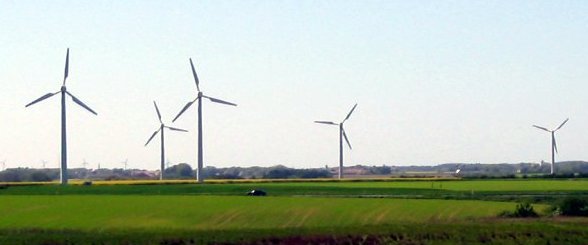
Denmark’s wind industry includes turbine design, component manufacturing, installation and services. Danish firms have been prominent manufacturers and exporters of wind turbines and related equipment; notable companies played major roles in the global market. Danish designs and engineering practices contributed to improvements in turbine reliability, blade design, controls and maintenance approaches. Both onshore and offshore wind technologies are important: onshore installations were the earliest focus, while Denmark was also among the countries to develop early commercial offshore wind farms.
Integration, grid and system effects
High shares of wind generation require flexible power systems to manage variability. Denmark has combined market arrangements, interconnections with neighboring countries, and flexible thermal and hydro resources to balance wind output. The integration strategy emphasizes forecasting, demand-side measures and cooperation across borders to maintain reliability while allowing wind to supply a growing share of electricity demand. In some years wind has contributed a substantial fraction of national electricity consumption; for example, wind supplied around 30% of Denmark's electricity in 2012.
Social models, ownership and public acceptance
One distinguishing feature of Denmark’s wind sector is broad public support and a tradition of local participation. Community-owned turbines and cooperatives were an important element of early deployment, giving citizens a stake in projects and boosting social acceptance. That social model helped reduce opposition to siting and enabled many small municipalities and groups to benefit directly from local wind installations. Public acceptance remains relatively high compared with many other countries.
Uses, importance and notable distinctions
Wind power in Denmark serves multiple purposes: reducing reliance on imported fossil fuels, cutting greenhouse gas emissions, and supporting a domestic manufacturing base and skilled workforce. Danish companies and research centers have exported technology and know-how worldwide. The country is often cited as a case study for how a combination of policy, local engagement and industrial competence can scale a variable renewable resource. For deeper reading on Denmark’s energy policy and wind statistics, see sources and reports linked below.
Related articles
Author
AlegsaOnline.com Wind power in Denmark: history, technology, and national impact Leandro Alegsa
URL: https://en.alegsaonline.com/art/108475