
William the Silent (William I of Orange-Nassau)
William the Silent (1533–1584) led the Dutch Revolt against Spanish rule, became Prince of Orange and stadtholder, and is remembered as a founder of the Dutch state and subject of the national anthem.
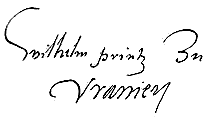
William I of Orange-Nassau (24 April 1533 – 10 July 1584), commonly called William the Silent, was a central figure in the Dutch struggle for independence. As a nobleman who held the title Prince of Orange, he emerged as the principal leader of the rebellion that developed into the Eighty Years' War. His leadership transformed a series of local uprisings into a broader political movement that challenged the authority of the Spanish crown and laid foundations for a separate Dutch polity.
Image gallery
10 Images




Origins and early life
Born into the Nassau family in what is now Germany, William spent his early years at courts of the Habsburg sphere and in the Low Countries; his birthplace is recorded at Nassau in the Holy Roman Empire (Nassau). He inherited the principality of Orange and later acquired responsibilities in the Low Countries. The king of Spain made him stadtholder of several provinces, a role that combined civil, military and judicial duties. Over time William's loyalties shifted: he adopted Protestant sympathies, aligning himself with many of the Protestant communities and urban elites of the Netherlands while attempting to preserve order and avoid sectarian violence.
Nickname and stance
William is widely known as Willem de Zwijger, literally "William the Silent." The origin of this sobriquet is uncertain. Popular anecdotes say he answered questions about plans for religious repression with silence, including offers or pressures from foreign monarchs. Contemporary retellings sometimes mention a moment of restraint when monarchs of France or Spain pressed him to take harsh actions against dissenters; other explanations point to a cautious diplomatic manner that prized prudence over boastful rhetoric. Whatever the origin, the name emphasizes his reputation for deliberation and self-control in a turbulent era.
Leadership in revolt and government
When resistance against Spanish rule intensified, William became a unifying political figure for many provinces and cities. He worked to coordinate military efforts, negotiate alliances, and seek foreign support while trying to preserve civil institutions. He appears in the national memory as an architect of independence and is the subject of the Dutch national anthem, the Wilhelmus. Over time he was called the "Father of the Fatherland" for his central role in shaping the emerging Dutch Republic and its early institutions.
Assassination and immediate aftermath
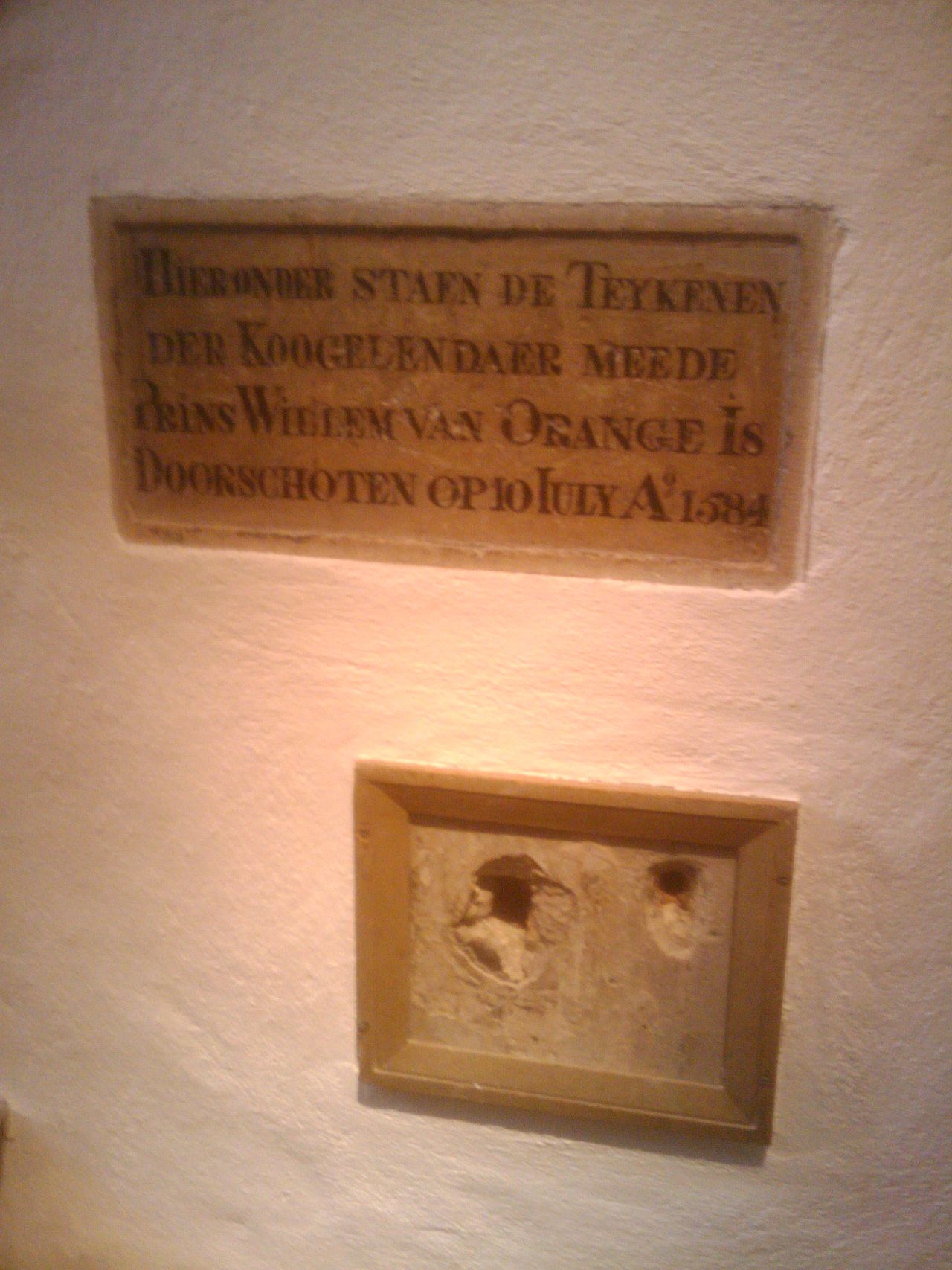
William's prominence made him a target. On 10 July 1584 he was shot and fatally wounded in his residence in Delft by Balthasar Gérard; he died soon after. Reports of his last words mention a short prayer in French—"Mon Dieu, mon Dieu, ayez pitié de moi et de ton pauvre peuple"—invoking God and compassion for his people. The assassin sought a reward allegedly offered by hostile parties, but Gérard was captured and executed by forces loyal to William. The assassination removed the movement's most prominent moderate leader and intensified anti-Spanish feeling across the provinces.
Legacy and notable facts
William's life and career are significant for several reasons:
- He is central to the emergence of a Dutch political identity and the long campaign for independence from Spanish Habsburg rule.
- He held important provincial offices and sought to balance local autonomy with coordinated resistance, a role unusual for nobles of his era.
- His reputation bridged confessional divides: although associated with Protestant interests, he aimed to protect civilians of different faiths and to limit indiscriminate persecution.
- His life inspired patriotic memory and cultural works; beyond the Wilhelmus, he appears in monuments, histories and public commemoration throughout the Netherlands.
For readers who wish to explore further primary sources and historiography: entries and collections discussing the revolt, the Habsburg monarchy, and the institutional role of the stadtholder provide deeper context. Useful starting points include studies of the Dutch provinces, diplomatic relations with other European monarchs, and regional accounts of the Eighty Years' War that examine how William's decisions shaped subsequent constitutional development.
Questions and answers
Q: Who was William I of Orange-Nassau?
A: William I of Orange-Nassau (24 April 1533 – 10 July 1584) was an important leader of the Dutch rebellion against the Spanish in the Eighty Years' War. He was the first leader of the Netherlands and held the title of Prince of Orange.
Q: How did he get his nickname, "William The Silent"?
A: It is not known how he got this name. One story says that when the kings of France and Spain proposed to William to kill all Protestants in his area, William did not reply.
Q: Where was William born?
A: William was born in Nassau in Germany.
Q: What role did he have for several Dutch provinces?
A: The king of Spain made him stadtholder (a sort of leader) for several Dutch provinces.
Q: What religion did he convert to?
A: William converted to Protestantism, which is the religion of the Dutch people, and joined their struggle for independence.
Q: How did he die?
A: In 1584, William was shot by Balthasar Gerards in his house in Delft.
Q: What were his last words before dying? A: His last words were in French : "Mon Dieu, mon Dieu, ayez pitié de moi et de ton pauvre peuple" (My Lord, My Lord, have pity on me and your poor people).
Related articles
Author
AlegsaOnline.com William the Silent (William I of Orange-Nassau) Leandro Alegsa
URL: https://en.alegsaonline.com/art/108306