
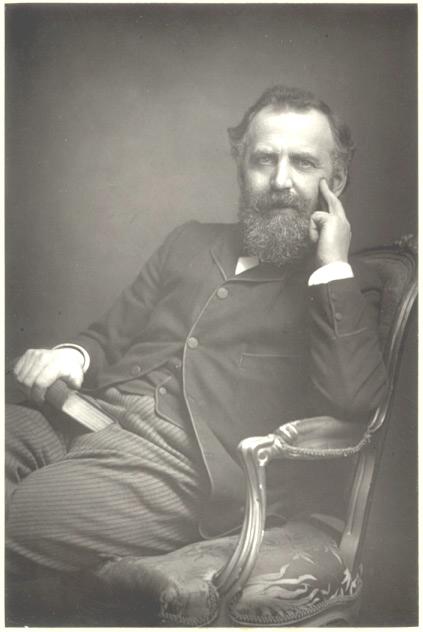
William Thomas Stead
British journalist and editor (1849–1912), pioneer of investigative reporting and campaigning journalism. Editor of the Pall Mall Gazette and author of influential exposés; died in the sinking of the RMS Titanic.
Overview
William Thomas Stead (1849–1912) was a prominent British writer and journalist whose work helped shape modern investigative reporting. Active in the late 19th and early 20th centuries, he became known for forceful newspaper campaigns, bold editorial experiments and a conviction that the press could directly influence public policy. He died when the RMS Titanic sank on 15 April 1912.
Image gallery
8 Images


Career and methods
Stead rose to influence as editor of the Pall Mall Gazette, where he transformed a traditional newspaper into a platform for vigorous social investigation and campaigning. He promoted what he described as "government by journalism," arguing that newspapers could expose injustice and prompt official action. His style mixed careful investigation with sensational presentation: undercover enquiries, dramatic narratives and moral appeals to readers were hallmarks of his approach.
Major campaigns and publications
Stead led several high-profile campaigns that attracted wide public attention. The most famous involved a series of articles exposing the sexual exploitation of young women and children; the reporting stirred public outrage and contributed to calls for legal reform. He also edited and founded journals devoted to summarizing current affairs and reformist opinion, seeking to make complex issues accessible to a broad readership.
Controversies and reception
His methods provoked unease among contemporaries as well as admiration. Critics argued that undercover tactics and sensational headlines risked distorting facts or violating privacy, while supporters credited him with mobilizing public opinion on neglected issues. These tensions made Stead one of the more controversial figures in the British press of the Victorian era.
Later life and death
In later years Stead continued to combine journalism with public advocacy, writing on topics from international peace to spiritual questions. He travelled frequently and remained a public figure until his death aboard the RMS Titanic. The ship's sinking brought a sudden end to his career and prompted renewed attention to his work and ideas.
Legacy
Stead's influence is visible in the development of investigative and campaigning journalism: reporters who aim to expose wrongdoing, shape policy debate or bring social problems to light often trace methods to his example. His mixture of moral urgency, narrative power and editorial activism helped to define a genre of press work that continues to provoke debate over ethics, technique and the proper role of newspapers in public life.
Notable facts
- Editorial innovation: reinvigorated a major Sunday title and popularized persuasive editorial campaigning.
- Investigative technique: used undercover reporting and detailed exposés to attract attention to social problems.
- Controversy: praised as a reformer by some and accused of sensationalism by others; his methods raised enduring ethical questions.
- Final voyage: died in the Titanic disaster, an event that fixed his name in popular memory.
For further reading about Stead's life and work see contemporary journalism histories and collections of his essays and editorials, which illuminate both the substance of his campaigns and the debates they provoked in the press and public life. Additional context is available in summaries and archival resources available through modern reference sites and library collections: biographical summaries, period histories and selected writings offer starting points for research.
Related articles
Author
AlegsaOnline.com William Thomas Stead Leandro Alegsa
URL: https://en.alegsaonline.com/art/108307