
William Wallace Denslow
American illustrator and caricaturist (1856–1915), noted for bold flat-color illustrations for The Wonderful Wizard of Oz and for early newspaper comics such as Billy Bounce.
Overview
William Wallace Denslow (May 5, 1856 – March 29, 1915), widely cited as W. W. Denslow, was an American illustrator, caricaturist and poster designer whose graphic, theatrical images helped shape children’s book illustration and early comic art in the late 19th and early 20th centuries. He was born in Philadelphia and, after some formal study, largely trained himself in drawing, lithography and commercial art. He worked for magazines, newspapers and publishers and became known for designs that emphasized bold outlines and broad, flat color.
Image gallery
5 Images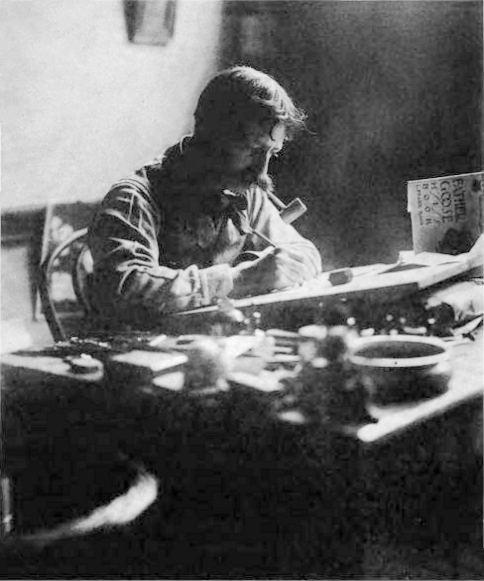


Early life and career
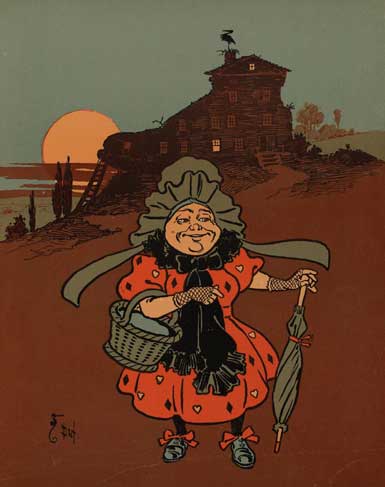
Denslow began his professional life producing designs for advertising, calendars, bookplates and theatrical programs as well as illustrations for children’s books. He developed a style that translated effectively to both printed books and large-format posters, favoring simplified forms and decorative patterning that read well at a distance. He frequently self-published or produced limited editions of his own picture books and prints.
Major works and style
His signature approach — strong silhouette, clear line and areas of flat tone — made his plates immediately recognizable. Notable works by and illustrated by Denslow include Denslow's Mother Goose (1901), Denslow's Night Before Christmas (1902) and an 18-volume group often referred to as Denslow's Picture Books (1903–04). These books demonstrate his theatrical staging of figures and inventive use of color to define character and mood.
Collaboration with L. Frank Baum
Denslow’s best-known commission was his collaboration with L. Frank Baum on the original edition of The Wonderful Wizard of Oz. His characterizations of the Scarecrow, Tin Woodman and others became visual touchstones for readers. The professional relationship later deteriorated over business matters; the two men publicly disagreed about copyright, royalties and stage and merchandising rights, and they ceased collaborating on further projects.
Comics and newspaper work
In addition to book illustration, Denslow contributed to newspapers and produced sequential cartoons and strips. He created recurring panels and short strips featuring popular Baum-inspired figures and new creations. Among these creations was the comic character "Billy Bounce," which appeared in newspapers and is often noted as one of the earliest comic figures to display what would now be called superpowered or extraordinary abilities. Denslow’s engagement with early comic strips places him among innovators who helped move illustration toward narrative serial art.
Later life and eccentricities
Denslow pursued varied ventures beyond publishing, including poster art and stage design. In a widely remembered episode he purchased Buck’s Island in Bermuda and ceremonially styled himself "King Denslow I," an act often cited as part of his colorful public persona. He was married three times and had one son. Late in life he returned to New York, where he died in New York City on March 29, 1915, reportedly of pneumonia.
Legacy
Denslow’s bold graphic idiom influenced children’s book designers and early comic artists, and his original drawings and early editions remain collectible. Scholars and curators study his work for its contribution to American visual culture around 1900, particularly for the ways his images combined humor, stagecraft and simplified color to create memorable characters that carried easily from page to poster to stage.
Selected works and facts
- Denslow's Mother Goose (1901)
- Denslow's Night Before Christmas (1902)
- Illustrations for The Wonderful Wizard of Oz (with L. Frank Baum)
- Denslow's Picture Books (18-volume series, 1903–04)
- Creator of the comic character "Billy Bounce" and various newspaper panels
Questions and answers
Q: Who was William Wallace Denslow?
A: William Wallace Denslow was an American illustrator and caricaturist known as W.W. Denslow.
Q: When was Denslow born and where?
A: Denslow was born on May 5, 1856, in Philadelphia.
Q: Was Denslow trained in art school?
A: Yes, Denslow had some art school training, but he was mostly self-taught.
Q: Which famous book did Denslow illustrate?
A: Denslow illustrated L. Frank Baum's The Wonderful Wizard of Oz and other books by Baum.
Q: Did Denslow create any comic strips?
A: Yes, Denslow drew comic strips with Father Goose, the Scarecrow, and the Tin Woodman as characters. He also created the comic strip "Billy Bounce."
Q: What was Buck's Island, and who owned it?
A: Buck's Island was located in Bermuda, and Denslow bought it and crowned himself King Denslow I.
Q: How did Denslow die?
A: Denslow died in New York City due to pneumonia.
Related articles
Author
AlegsaOnline.com William Wallace Denslow Leandro Alegsa
URL: https://en.alegsaonline.com/art/108312