
William Somerset Maugham
English novelist, short‑story writer and playwright (1874–1965), noted for clear, economical prose, psychological insight, travel writing and novels such as Of Human Bondage and The Moon and Sixpence.
William Somerset Maugham (25 January 1874 – 16 December 1965) was an English novelist, short‑story writer and playwright whose lucid, economical prose and often ironical view of human nature made him one of the leading literary figures of the early 20th century. He was born at the British Embassy in Paris (birthplace) and spent much of his adult life travelling and living abroad, especially in France.
Image gallery
10 Images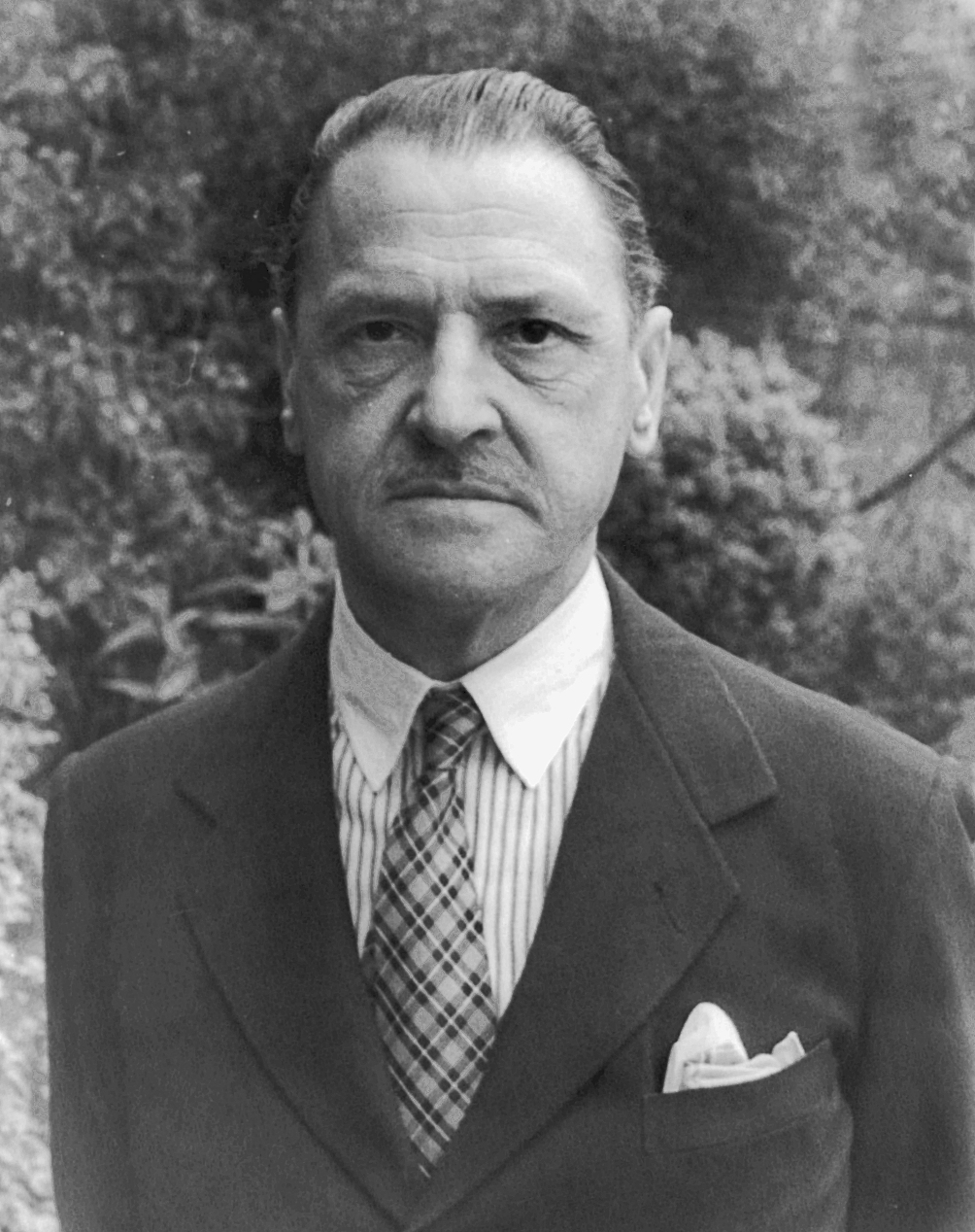




Early life and education
Maugham was orphaned at a young age and raised by relatives; these circumstances and his early schooling influenced his later autobiographical fiction. He trained as a medical student at St. Thomas's Hospital medical school in London before abandoning medicine for a full‑time literary career, an experience that informed both subject matter and detailed observation in works such as Of Human Bondage (St. Thomas's).
Career and major works
He published his first novel, Liza of Lambeth, in 1897 and went on to write novels, short stories, plays and travel writing. His best‑known novels include Of Human Bondage (often regarded as semi‑autobiographical), The Moon and Sixpence (widely read as inspired by the life of the painter Paul Gauguin), Cakes and Ale, The Magician and The Razor's Edge. Throughout the interwar years he enjoyed considerable commercial success and was reported to be among the highest‑paid authors of the 1930s.
- Of Human Bondage — psychological study of obsession and personal growth.
- The Moon and Sixpence — portrait of an artist's single‑minded pursuit of aesthetic life.
- The Razor's Edge — a philosophical novel about spiritual searching.
- Short stories and plays — numerous tales and stage works that were popular in his day.
Style and themes
Maugham's prose is noted for clarity, directness and a conversational tone. He emphasised narrative economy and characterisation over ornate language. Recurring themes include the clash between individual desire and social conventions, the role of chance and fate, the limits of self‑knowledge and the complexity of human motives. Critics often praised his craftsmanship while sometimes remarking on a cool or detached moral perspective.
Short fiction, drama and travel writing
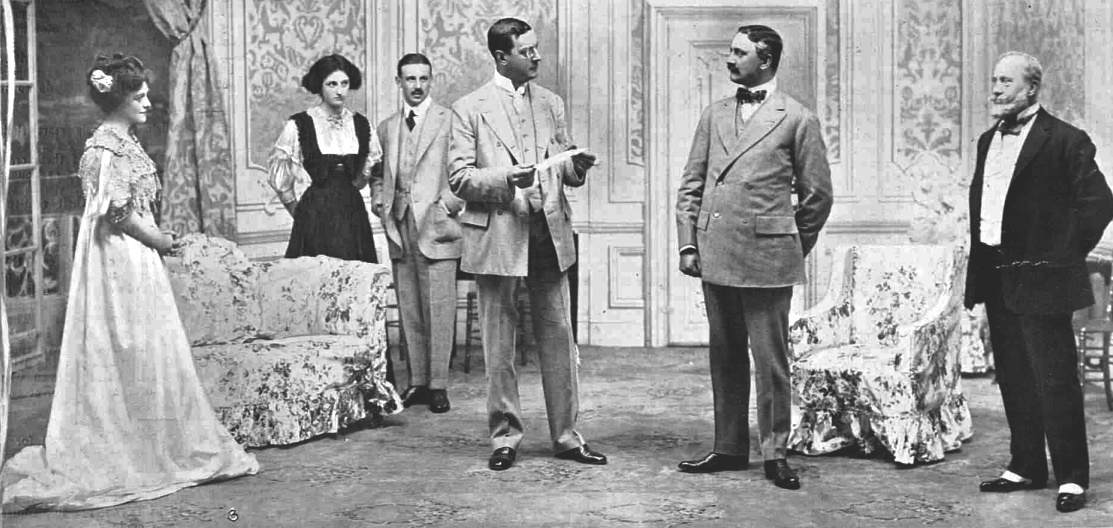
In addition to novels, Maugham wrote many short stories and successful plays; his short fiction is still widely anthologised for its plot‑driven economy and often ironic endings. He also wrote travel books and essays that drew on his extensive journeys, offering observations about people and places with the same crisp prose found in his fiction.
Later life, reputation and adaptations
Maugham spent his later years mainly in the south of France and continued to write and revise earlier works. He died in Nice (Nice), in the department of Alpes‑Maritimes, on 16 December 1965; accounts record that his death followed pneumonia (pneumonia). Many of his novels and stories have been adapted for stage, film and radio, helping to sustain his reputation among general readers even where critical fashion has shifted.
Legacy
Maugham's work remains widely read for its storytelling skill, psychological observation and accessible prose. Scholars continue to study his novels for their treatment of social change, identity and the creative temperament, and his short stories are frequently included in collections for their mastery of form and ironic clarity.
Related articles
Author
AlegsaOnline.com William Somerset Maugham Leandro Alegsa
URL: https://en.alegsaonline.com/art/108300
Sources
- online-literature.com : "W. Somerset Maugham"