
William Taylor Adams (Oliver Optic): 19th-Century Author and Editor
William Taylor Adams (1822–1897), known as Oliver Optic, was an American teacher, writer, and editor best known for popular boys' series and children's magazines in the mid‑to‑late 19th century.
Overview
William Taylor Adams (July 30, 1822 – March 27, 1897) was an American schoolteacher, author and magazine editor who wrote many popular adventure stories for young readers under the pen name Oliver Optic. Born and raised in Medway, Massachusetts, he combined classroom experience with an awareness of boys' reading interests to build a durable body of juvenile fiction.
Image gallery
9 Images





Early career and teaching
Adams began his literary career while working as an educator. His first published novel, Hatchie, the Guardian Slave, appeared in 1853. For many years he taught in the Boston public schools, a role that brought him into close contact with the habits and tastes of schoolboys. Observing what engaged his pupils—action, camaraderie, and realistic dialogue—helped shape the brisk, plot‑driven stories for which he became known.
Major works and themes
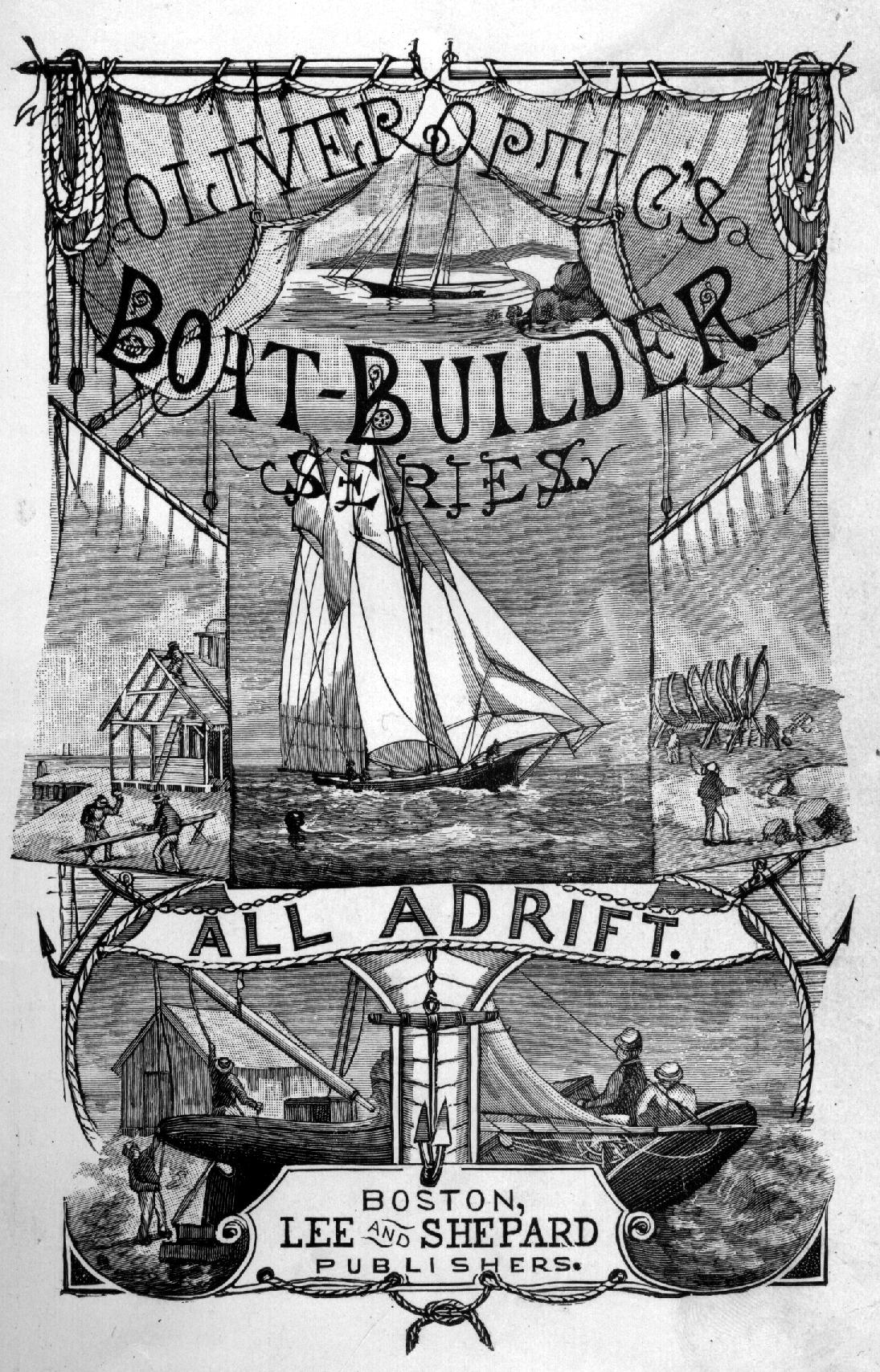
Adams wrote a succession of series and stand‑alone tales aimed primarily at boys. In 1855 he introduced the popular Boat Club books, which featured teams of youth, sporting rivalry, and outdoor adventure. His narratives commonly emphasized loyalty, practical skill, enterprise and moral lessons wrapped in fast pacing and lively conversation. He often used colloquial speech and everyday urban or nautical backdrops—elements some contemporaries found too informal, including criticisms of informal slang and everyday settings such as saloons when they appeared in his stories.
- The Boat Club series and related school or sports stories.
- Sea and travel tales that drew on American coastal life.
- Smaller serial adventures and moral sketches published in periodicals.
Editing, public service, and later life
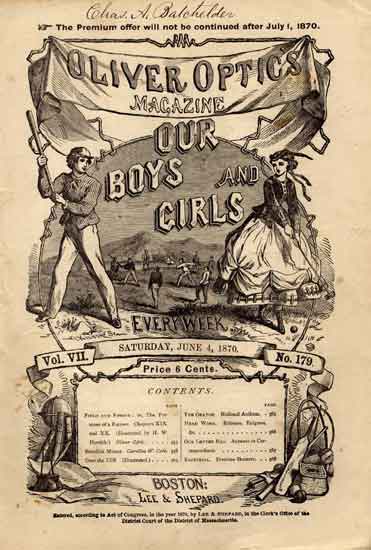
In 1865 Adams left full‑time teaching to concentrate on writing and editing. He became editor of several children's magazines, including long‑running titles such as The Student and Schoolmate, and later periodicals bearing his pen name. He also served a term in the Massachusetts legislature, balancing public duties with his literary work. Adams continued to publish through the 1870s and 1880s before dying at his home in Dorchester, Massachusetts, in 1897.
Reception and legacy
Critical and public responses to Adams were mixed. Some established writers, notably Louisa May Alcott, objected to his conversational idiom and the realistic milieu of his tales. Many librarians of the period, uncomfortable with certain themes and perceived coarse dialogue, reportedly removed or ignored some of his books—an action attributed to librarians seeking to shape children's reading. Despite such objections, Adams enjoyed strong popular success: reviewers often praised the energy of his plots, and his books were frequently reprinted and widely read by nineteenth‑century youth.
Significance
Adams occupies a notable place in the history of American juvenile literature. By writing accessible, action‑oriented series for boys and by editing children’s periodicals, he helped consolidate genres—school stories, sports yarns, and sea adventures—that would remain staples of youth publishing. His work provides historians with a window into the tastes and social attitudes of mid‑century American readers and the evolving market for children's fiction.
For further reading and bibliographies, consult specialized studies of 19th‑century American children's literature and archives of period magazines in which Adams contributed. Representative sources and digital collections may be located through library guides and academic repositories (Oliver Optic biographies and catalogues often list his series and publication history).
Questions and answers
Q: Who was William Taylor Adams?
A: William Taylor Adams was an American writer and children's magazine editor who used the pen name "Oliver Optic".
Q: Where was he born?
A: He was born in Medway, Massachusetts.
Q: What did he write in 1853?
A: In 1853, he wrote his first novel, Hatchie, the Guardian Slave.
Q: What did he do while teaching?
A: While teaching, he discovered what kinds of books boys liked best.
Q: What magazines did he become editor of in 1865?
A: In 1865, he became editor of the children's magazines The Student and Schoolmate, Our Little Ones, and Oliver Optic's Magazine: Our Boys and Girls.
Q: How did Louisa May Alcott feel about his books?
A: Louisa May Alcott did not like his books. She did not like the slang and settings such as saloons.
Q: How were librarians reacting to Adams' work? A: Librarians did not like Adams's books either. They threw them away. They also threw away the books of other boys' writers
Related articles
Author
AlegsaOnline.com William Taylor Adams (Oliver Optic): 19th-Century Author and Editor Leandro Alegsa
URL: https://en.alegsaonline.com/art/108303
Sources
- ulib.niu.edu : William Taylor Adams
- dorchesteratheneum.org : Dorchester Athenaeum