
Whistling: methods, mechanics, uses, and cultural significance
Overview of human whistling: how it is produced, common techniques, cultural and practical uses, brief history, and notable distinctions including whistled languages and musical applications.
Whistling is the production of sound by directing a stream of air through a small opening formed by the lips and shaping the oral cavity to create a clear, often high-pitched tone. It can be performed without a separate device and takes many forms — from short attention signals and melodic tunes to complex communicative systems that encode language. Despite its simple appearance, effective whistling depends on careful control of airflow, lip aperture, tongue position and sometimes the use of fingers or other aids.
Image gallery
6 Images

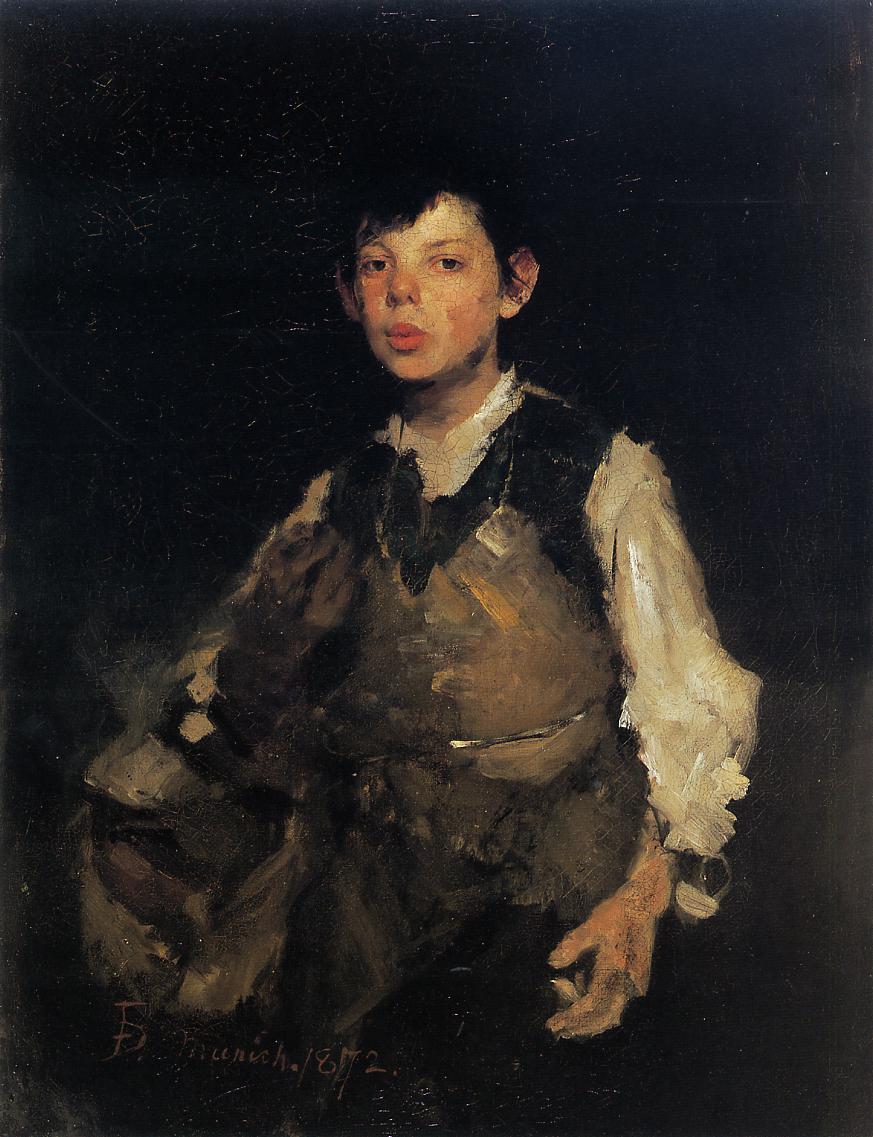


How whistling works
At its core, whistling produces sound by creating a resonant cavity and a thin jet of air that oscillates at an audible frequency. The lips act as a controllable aperture while the tongue and oral cavity set the resonant volume and shape. In many whistle techniques the mouth behaves like a Helmholtz resonator, where the pitch is influenced by the size of the opening and the cavity behind it. Small changes in lip tension, tongue curvature and breath pressure change the frequency and timbre of the produced note. Scientific descriptions of these effects often discuss airflow, turbulence and resonance turbulence and resonant behavior.
Common techniques and variations
- Puckered or labial whistle: lips form a tight rounded hole and air is blown across it — typical for simple tones.
- Finger-assisted whistle: fingers retract the lips and shape the aperture to increase volume and projection.
- Palatal or tongue whistle: the tongue creates a narrow channel above which the air passes, producing clear, often high-pitched sounds.
- Whistle trills and warbles: rapid changes in airflow or tongue position create ornamented effects used in music.
Tutorials and demonstrations can help beginners learn the basic lip and tongue positions; many how-to resources and demonstrations are available online practical guides.
History, culture and specialized uses
Whistling has been used worldwide for attention-getting, signaling across distances and musical expression. Shepherds and herders historically relied on whistles to direct animals at a distance, and some communities developed highly refined pastoral whistling practices; such uses are discussed in ethnographic and practical accounts shepherding and herding. In other contexts, whistling became part of musical traditions, urban signaling (e.g., calling taxis), and occupational codes for coordinating work.
Whistled languages and notable facts
One of the most striking cultural developments is the emergence of whistled languages: some populations transcribe spoken phrases into whistle melodies that preserve the prosody and intelligibility of speech over long distances. These systems are distinct from casual whistling and are subjects of linguistic and anthropological study. The acoustic principles—resonance, pitch control, and airflow—link simple whistles to more sophisticated communicative forms such as these Helmholtz-like resonances.
Practical tips and considerations
Learning to whistle usually requires patient practice. Common advice includes relaxing the face, experimenting with a small lip opening, varying breath pressure, and adjusting tongue curvature to find a clear tone. Finger-assisted methods amplify sound but require care to avoid injury. Whistling can be affected by health (nasal congestion, dental changes) and environmental noise; in noisy conditions, louder finger whistling or electronic aids may be preferable. For instruction, demonstrations and step-by-step techniques are widely available in tutorials and videos learn to whistle or in research summaries of whistling mechanics airflow studies.
Beyond simple signals, whistling occupies a varied place in human life: a tool for long-distance communication, a musical voice, a cultural marker, and an accessible sound-producing skill that continues to interest performers, scientists and communities around the world resonance resources and practical uses.
Related articles
Author
AlegsaOnline.com Whistling: methods, mechanics, uses, and cultural significance Leandro Alegsa
URL: https://en.alegsaonline.com/art/107778
Sources
- artofmanliness.com : "How to Whistle With Your Fingers"