
Weston-on-Trent — village and parish in Derbyshire
Weston-on-Trent is a historic village and civil parish on the north bank of the River Trent in Derbyshire, noted for its medieval river crossings and long-standing local community.
Overview
Weston-on-Trent is a village and civil parish located in Derbyshire, situated on the north side of the River Trent. Historically small and largely rural, the settlement grew up around the river and the local road network that used the Trent crossings. The village has retained a predominantly residential and agricultural character, with community life centered on local institutions and the parish boundary.
Image gallery
7 Images

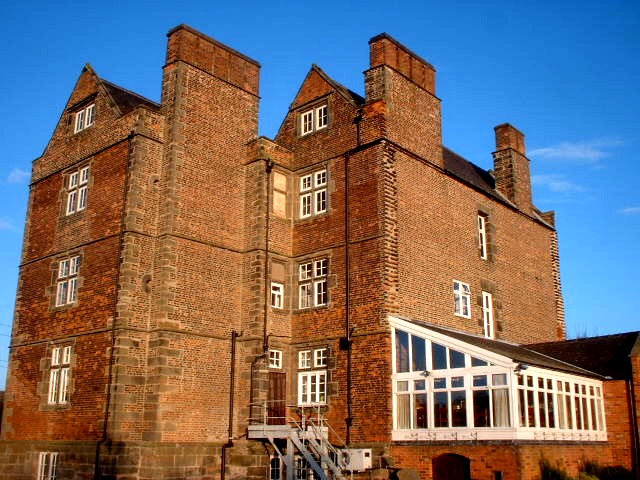


Geography and character
The village occupies low-lying ground close to the Trent and its floodplain, a factor that influenced patterns of settlement and transportation. Fields and arable land surround the core of the parish, while lanes connect Weston-on-Trent to neighbouring villages and market towns. Nearby places named in early records include settlements such as Crich, and other local communities that formed the wider parish holdings in medieval times.
History and medieval significance
Weston-on-Trent appears in early documentary sources. In 1009 a charter associated with King Æþelræd Unræd (commonly anglicized as Ethelred the Unready) records the extent of land attached to Weston and identifies rights over river crossings on the Trent. Those crossings were an important part of the transport network of the period, providing one of the routes for traffic moving north and south through England. The same document assigns lands at Weston and at neighbouring settlements to a powerful royal official, who was granted significant jurisdictional authority.
Notable features and heritage
- River crossings: control of ferry points and fords made the village strategically important in the medieval period.
- Parish landscape: agricultural plots, lanes and hedgerows typical of Derbyshire lowlands.
- Historic records: early charters and later parish registers that document local families and landholding patterns.
Community and modern importance
While small in population compared with urban centres, Weston-on-Trent remains an active parish community. Census and local surveys have recorded a modest adult population (for example, a 2004 report noted roughly 800 people aged sixteen to seventy-four in the village), reflecting a long-standing, stable population rather than rapid expansion. The village continues to attract residents who value rural character, proximity to the river, and links to the surrounding region.
Distinctions and further reading
Weston-on-Trent's claim to historical interest rests chiefly on its riverside location and its documentation in early medieval records, which illustrate how river crossings influenced local power and landholding. For readers seeking more detail, local archives and county histories provide maps, charters and parish documents that expand on the brief summary here. Additional general context about the county and river can be explored through regional resources and historical guides.
Related topics: county administration, river transport in medieval England, and rural parish development.
Derbyshire reference • River Trent context • Æþelræd Unræd • Nearby places such as Crich
Related articles
Author
AlegsaOnline.com Weston-on-Trent — village and parish in Derbyshire Leandro Alegsa
URL: https://en.alegsaonline.com/art/107592
Sources
- neighbourhood.statistics.gov.uk : Parish Profile - Work and qualifications
- anglo-saxons.net : Charter of Æthelred