
West Macedonia: geography, administration and significance
Overview of West Macedonia, a Greek periphery: geography, prefectures, borders, economy, history and cultural highlights, with links to administrative and regional resources.
West Macedonia is a peripheral region in northwestern Greece that forms the western portion of the historical and geographic area known as Macedonia. It is one of the thirteen Greek peripheries and the most westerly part of the broader Macedonian region. The area combines mountainous terrain, inland lakes and valleys and serves as an administrative, economic and cultural zone in northern Greece. For a general description of Greek regions see regional administration.
Image gallery
10 Images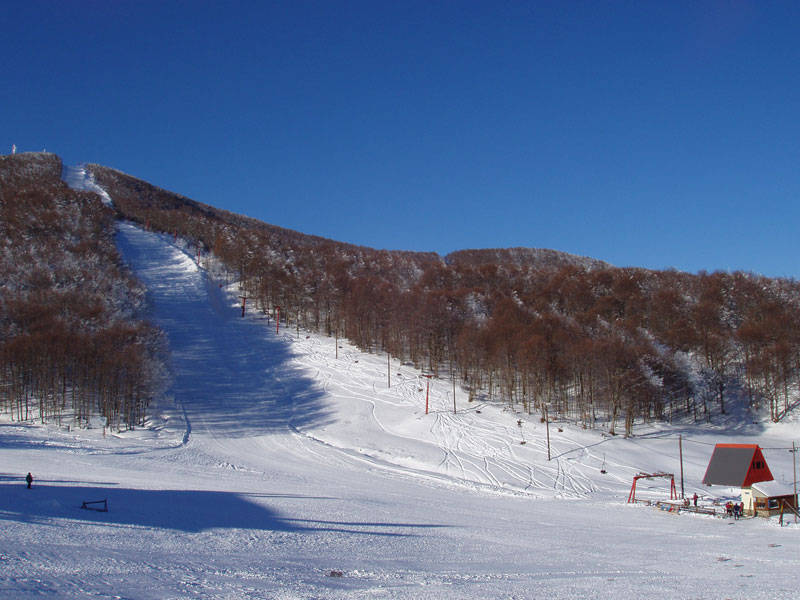



Administrative divisions and places
West Macedonia comprises four prefectural units that correspond to local administrative areas:
- Florina
- Kozani (the region's capital)
- Kastoria
- Grevena
These units bring together smaller municipalities and villages; the structure and responsibilities of the region were shaped by national administrative reforms in recent decades. For context on the wider Macedonian region see Macedonia.
Geography, borders and transport
West Macedonia shares inland and land borders with other Greek regions and two neighbouring countries. To the east it meets Central Macedonia, while to the south and west it borders Thessaly and Epirus respectively. The region also borders Albania and the Republic of North Macedonia to the north. Travel and trade routes connect the region to those neighbours and to the Greek interior; see regional directions at Thessaly and Albania. Cross‑border links with the Republic of North Macedonia are also important for local commerce and mobility (North Macedonia).
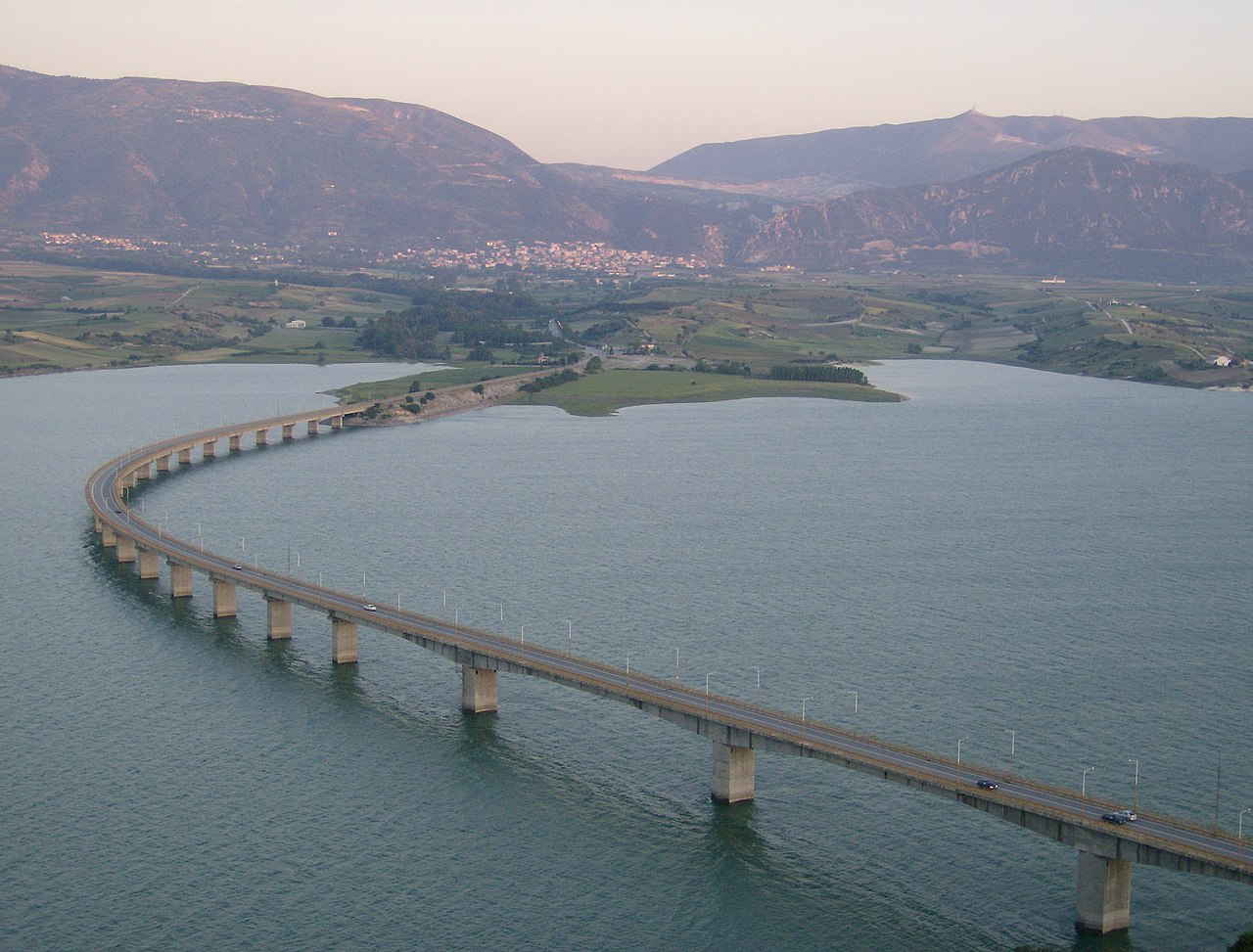
Topographically the area is largely mountainous (part of the Pindus range and other massifs), with notable lakes near Kastoria and wetlands in the Florina‑Prespa zone. These features shape land use, settlement patterns and tourism potential.
Kozani is the largest urban centre and administrative seat; population figures have varied over time — for example the 2001 census recorded roughly 303,857 inhabitants for the region, a baseline figure that has changed since then (2001 census).
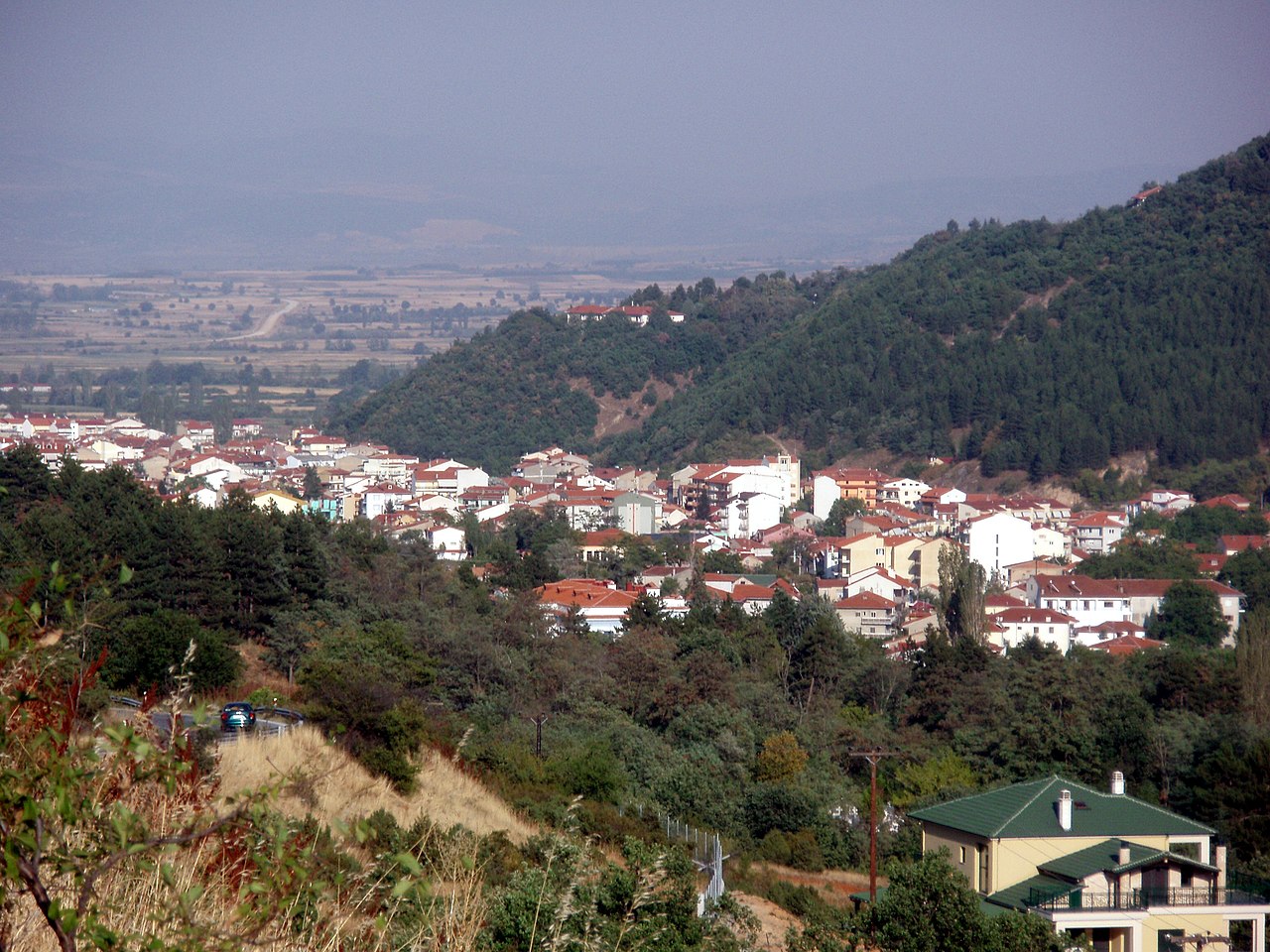
West Macedonia's economy combines energy production (notably power generation tied to local lignite deposits), agriculture, forestry and growing seasonal tourism. Kastoria is noted for its historic townscape and lake, Florina for highland scenery, and Kozani for administrative and economic services. For further information about the capital see Kozani.
Historically the area has layered identities — ancient Macedonian associations, a long Ottoman period, and integration into the modern Greek state in the 19th and 20th centuries — all of which influence local culture, architecture and traditions. Today West Macedonia plays a strategic role in Greece's interior energy system, rural economy and cross‑border relations with neighbouring Balkan states.
Related articles
Author
AlegsaOnline.com West Macedonia: geography, administration and significance Leandro Alegsa
URL: https://en.alegsaonline.com/art/107410
Sources
- westernmacedonia.gr : Prefectures of West Macedonia Info