
Xiangsheng (Crosstalk): Traditional Chinese Comic Dialogue
Xiangsheng, or crosstalk, is a Chinese comic art of rapid wordplay, puns and banter performed as monologues, two-person acts or ensembles. It blends linguistic skill, imitation, and satire and remains culturally influential.
Overview
Xiangsheng (Chinese: 相声, pinyin: xiàngsheng)—commonly called crosstalk in English—is a traditional Chinese comedy genre built on quick verbal exchange, clever wordplay and social observation. Performed onstage or for radio and television, it emphasizes timing, rhythm and the interplay between performers rather than props or elaborate staging.
Image gallery
1 Image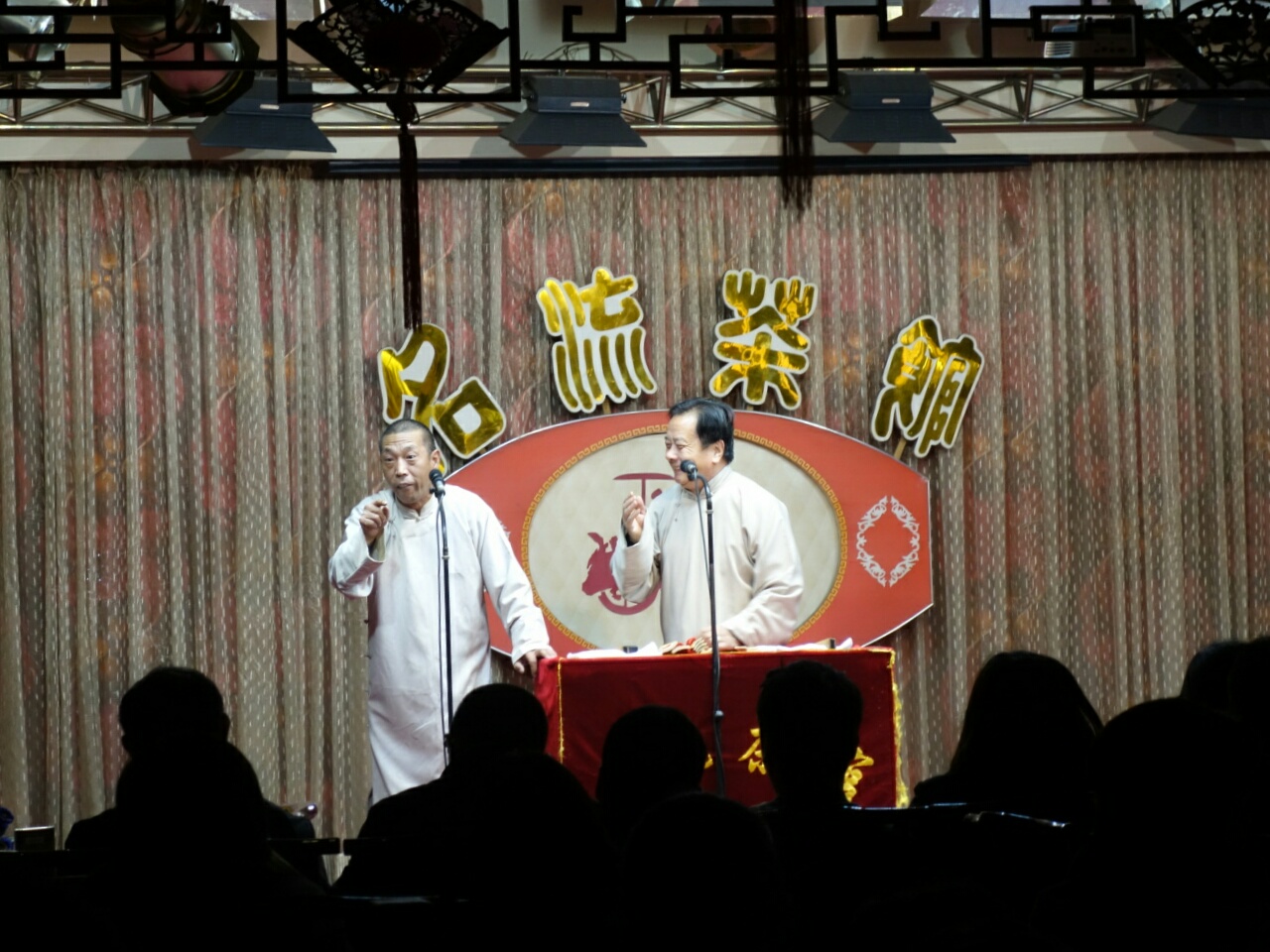
Characteristics
At its core xiangsheng relies on linguistic techniques: puns, homophones, double meanings and allusive references delivered at brisk pace. Performers often use imitation, mock argument and exaggerated persona to build humor. Many routines mix contemporary topics with classical references, making cultural knowledge part of the joke.
- Four basic skills commonly cited: speaking, imitating, teasing and singing (说、学、逗、唱).
- Performance styles range from polished scripts to improvised banter.
- Audience interaction and reactions are an integral element.
Forms and structure
Xiangsheng appears in several formats: single-person monologues (dan kou), two-person dialogues (the most familiar form) and multi-person pieces. The duet commonly assigns one role as straight man and the other as comic foil, building rapid exchanges and misunderstandings that echo classic Western routines such as Abbott and Costello’s famous sketches. In Chinese it is treated more as a verbal art than as slapstick.
History and development
The art developed from street performance and folk entertainment in northern China and became especially prominent in cities such as Beijing and Tianjin. Through the 19th and 20th centuries it moved into teahouses, theaters, radio and film. Prominent performers and teachers helped shape different schools of style and preserved repertory material; in recent decades new artists and troupes have adapted xiangsheng for television and online platforms.
Modern practice and notable points
Contemporary xiangsheng balances respect for classic routines with topical satire and pop-culture references. Well-known modern practitioners and international enthusiasts have introduced the form to wider audiences—one noted Western performer who became associated with the genre is the Canadian comedian Dashan (Mark Rowswell), who studied the traditions and performed widely in Chinese. Critics and scholars observe that xiangsheng both preserves linguistic heritage and evolves as language changes.
Why it matters
Xiangsheng is valued as much for its linguistic craft as for entertainment. It trains performers in diction, timing and cultural literacy, and it provides a mirror to social attitudes through humor. For learners of Chinese, listening to xiangsheng can sharpen comprehension of nuance, slang and historical allusions. For researchers of performance, xiangsheng offers a rich case study in oral tradition adapting to modern media.
For more information about performance practice and terminology, see explanatory resources on the art of dialogue, stage performance methods, and examples of language play such as punning. Contemporary venues and archives document the ongoing life of xiangsheng as both a popular and scholarly subject.
Related articles
Author
AlegsaOnline.com Xiangsheng (Crosstalk): Traditional Chinese Comic Dialogue Leandro Alegsa
URL: https://en.alegsaonline.com/art/109482
Sources
- nytimes.com : "‘Who’s on First?’ Finds a Home in Chinese Clubs,"
- nfb.ca : "Dashan - Ambassador to China's Funny Bone"
- dashan.com : "Who is Dashan?
- canada.com : "Anonymity to fade for Ottawa man who's a star in China,"
- splitsider.com : "Translating China's Xiangsheng Comedy Scene,"
- seechina.tv : "The greatest show on earth: Spring Festival gala TV special,"