
Ziegfeld Follies: The Broadway Revue That Shaped American Spectacle
A concise overview of the Ziegfeld Follies — Florenz Ziegfeld Jr.'s lavish Broadway revues (1907–1931, revivals 1934, 1936), their format, designers, performers, and lasting influence on American entertainment.
Overview
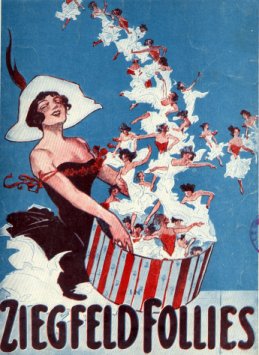
The Ziegfeld Follies were an annual series of extravagant Broadway revues produced and staged by Florenz Ziegfeld Jr. that ran from 1907 through 1931, with later renewals in 1934 and 1936. Performed in New York City, these shows blended song, comedy, dance and visual spectacle to create a form of popular theatrical entertainment distinct from traditional book musicals. The Follies drew direct inspiration from Parisian music-hall revues such as the Folies Bergère and adapted that model for American audiences on Broadway.
Image gallery
10 Images




Production, Design and Presentation
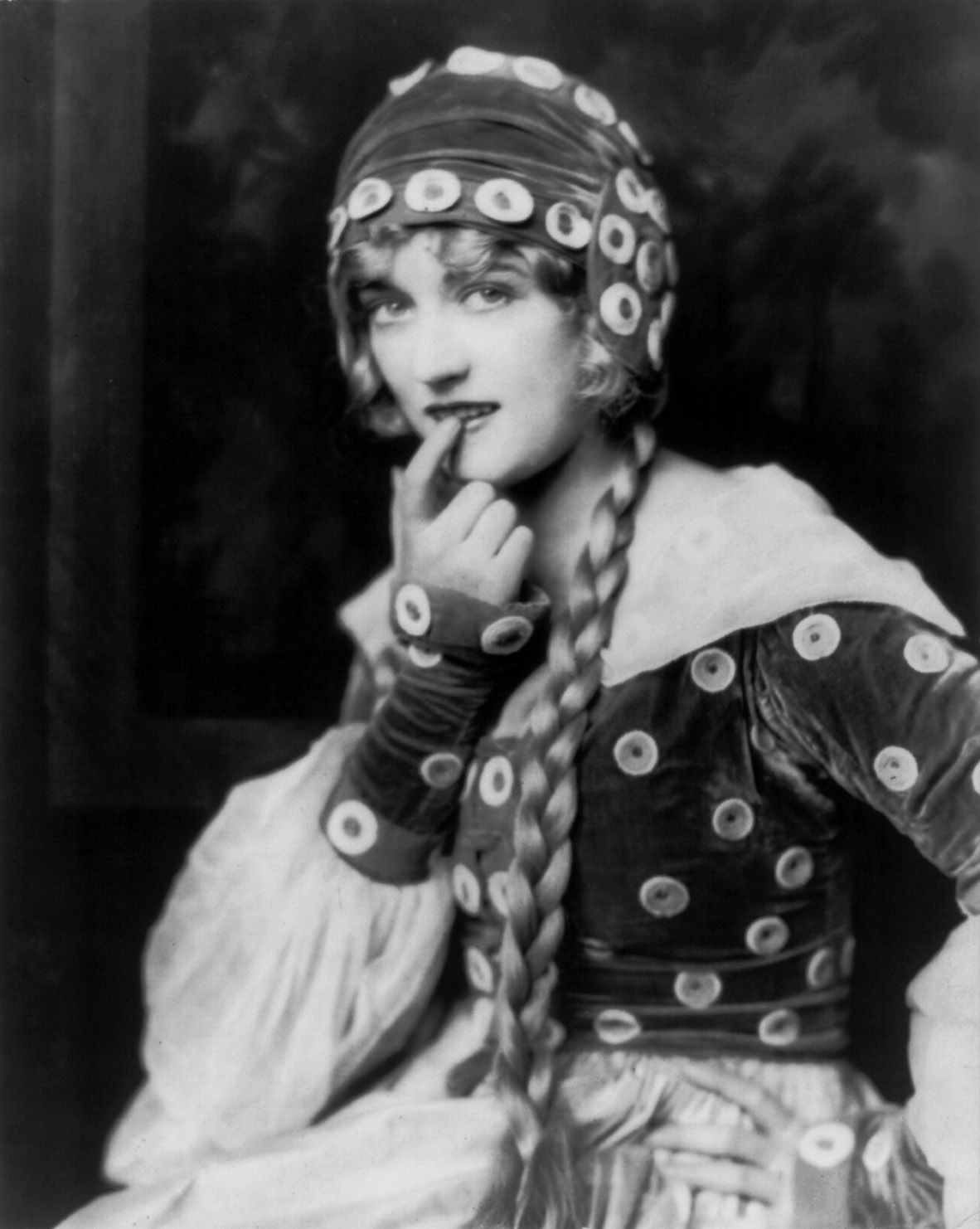
Florenz Ziegfeld emphasized lavish production values: ornate sets, elaborate costumes, startling lighting and carefully staged tableaux. Scenic and costume designers — notably Joseph Urban among others — supplied a visual style that combined glamour with theatrical innovation. The producers initially associated with mounting the shows included industry figures such as Klaw & Erlanger, who were prominent theatrical managers of the era.
Format and Notable Performers
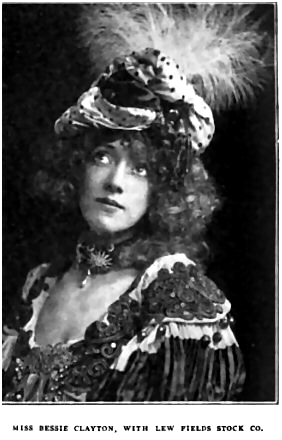
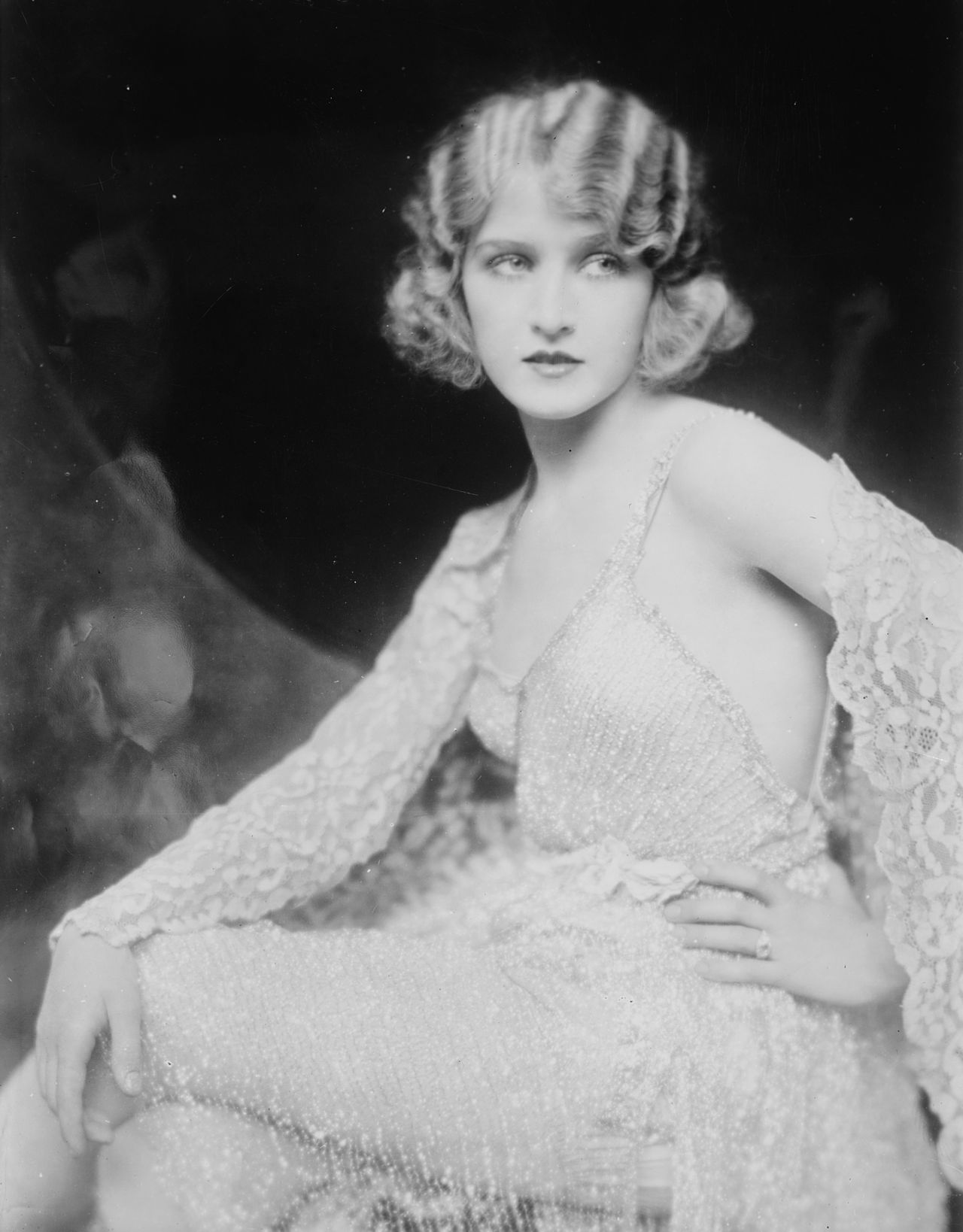
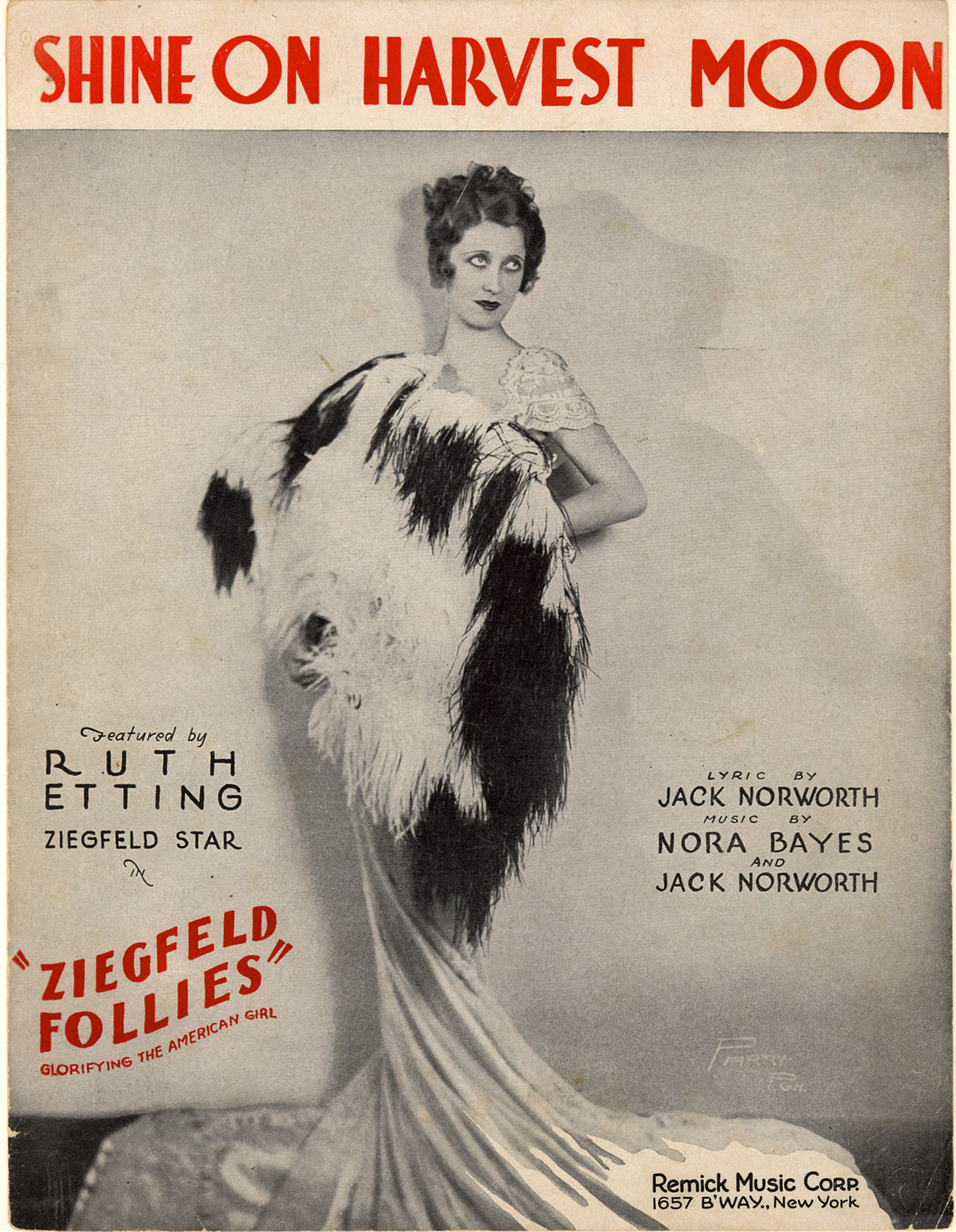
Each edition of the Follies was essentially a revue, composed of a sequence of unrelated numbers: comedic sketches, solo turns, chorus dance sequences and showstopping production pieces. A signature element was the chorus of "Ziegfeld Girls," presented as an emblem of contemporary beauty and fashion, often appearing in coordinated costumes and tableaux. Many performers who later became stars appeared in the Follies, including Fanny Brice, Will Rogers, Eddie Cantor and W. C. Fields.
History and Development
Beginning in the early 20th century, the Follies evolved alongside changes in popular entertainment, borrowing from vaudeville, European revues and the rising American songbook tradition. While the original run ended in 1931, periodic revivals and cinematic adaptations extended the brand's visibility and helped cement its place in musical-theatre history.
Legacy and Cultural Importance
The Ziegfeld Follies left a durable imprint on American popular culture: they helped define standards of stage spectacle, influenced Broadway production aesthetics, and contributed to the celebrity careers of performers who crossed into film and radio. The idealized imagery of the Ziegfeld Girls persists in discussions of early 20th-century fashion, advertising and the commercialization of glamour.
Notable Distinctions and Facts
- The Follies were revues rather than plot-driven musicals, emphasizing variety and visual display.
- The shows are often cited as a key bridge between vaudeville and the modern Broadway revue.
- Several Follies numbers and stars helped launch careers that expanded into other entertainment media.
For further reading on the format and influence of this theatrical phenomenon, contemporary sources and modern histories of American musical theatre provide detailed accounts and archival materials.
Questions and answers
Q: What were the Ziegfeld Follies?
A: The Ziegfeld Follies were a series of theatrical productions on Broadway in New York City.
Q: When were the Ziegfeld Follies held?
A: The Ziegfeld Follies were held from 1907 through 1931, with renewals in 1934 and 1936.
Q: What was the inspiration behind the Ziegfeld Follies?
A: The Ziegfeld Follies were inspired by the Folies Bergère of Paris.
Q: Who conceived and mounted the Ziegfeld Follies?
A: The Ziegfeld Follies were conceived and mounted by Florenz Ziegfeld.
Q: Who were the show producers of the Ziegfeld Follies?
A: The show producers of the Ziegfeld Follies were Klaw & Erlanger, who were the top turn-of-the-twentieth-century showmen.
Q: Where were the Ziegfeld Follies held?
A: The Ziegfeld Follies were held on Broadway in New York City.
Q: When did the Ziegfeld Follies renewals happen?
A: The Ziegfeld Follies renewals happened in 1934 and 1936.
Related articles
Author
AlegsaOnline.com Ziegfeld Follies: The Broadway Revue That Shaped American Spectacle Leandro Alegsa
URL: https://en.alegsaonline.com/art/110588
Sources
- nypl.org : "Flo Ziegfeld-Billie Burke Papers"
- pbs.org : "Ziegfeld Biography"
- query.nytimes.com : "Follies of 1907"
- books.google.com : "Ziegfeld"
- books.google.com : "Winter Garden Theatre"