
Wedding dress
A wedding dress (bridal gown) is the attire a bride wears for marriage rites; styles, colors and significance differ by culture, religion and fashion.
A wedding dress, also called a bridal gown, is the special garment a bride wears for her marriage rites. Its color, silhouette and symbolic meaning vary widely across religions, regions and personal tastes. Bridal attire often signals cultural identity and ritual status and may be chosen for aesthetic, familial or religious reasons.
Image gallery
10 Images




Characteristics and components
Typical design elements include silhouette (A-line, ball gown, sheath, mermaid), fabric (silk, satin, lace, tulle), ornamentation (beadwork, embroidery) and functional parts such as bodice, skirt, train and sleeves. Accessories like veils, tiaras, sashes and gloves are common and can alter the overall look or the perceived formality.
History and cultural variation
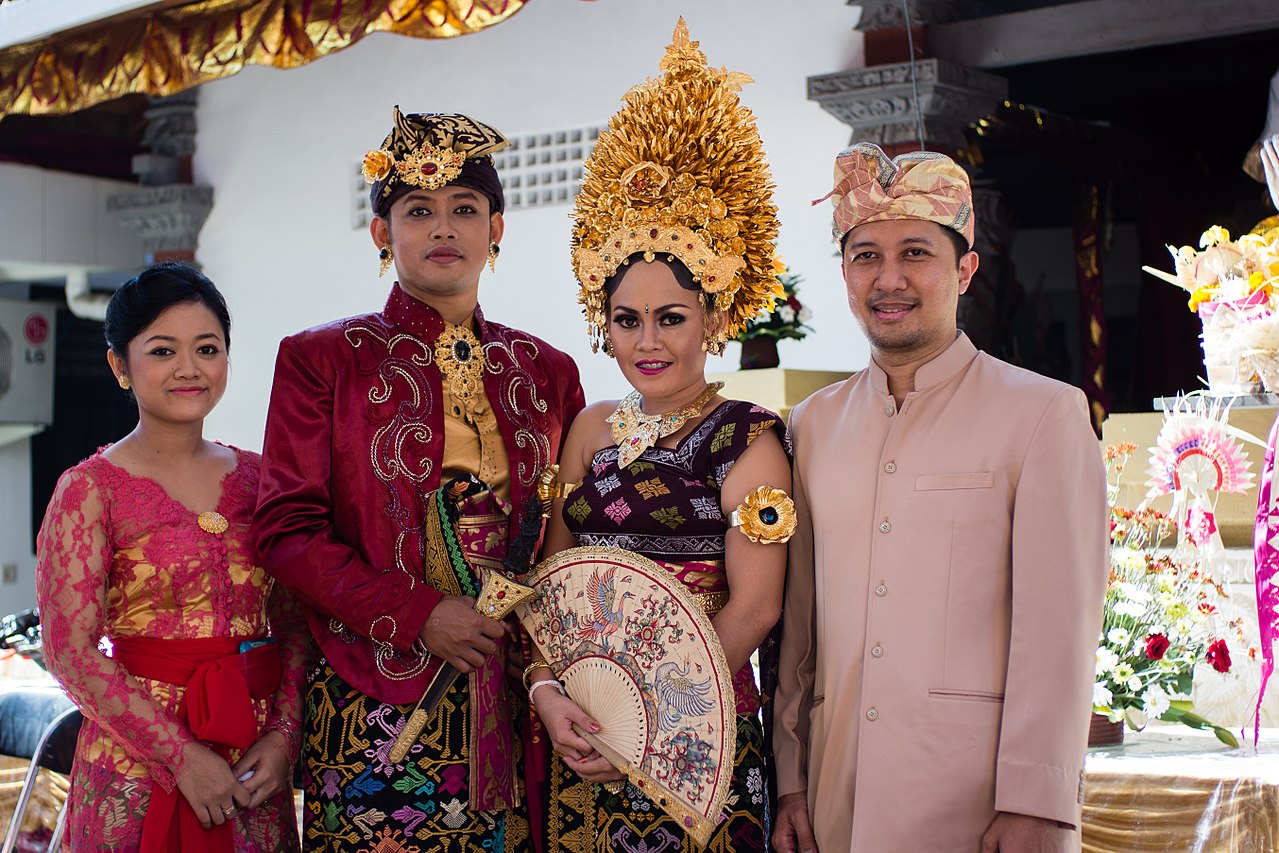
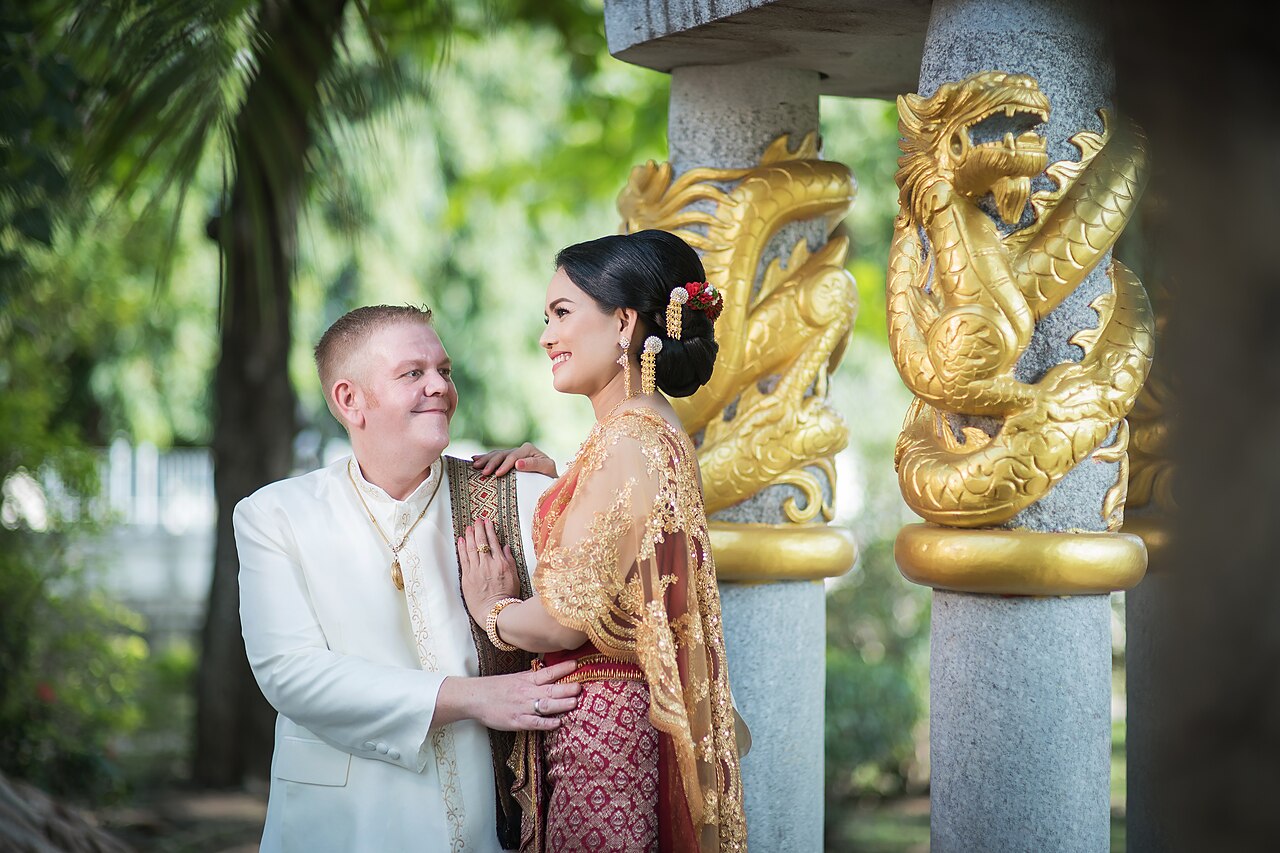
The predominance of white gowns in Western weddings emerged in the 19th century but is not universal. Many cultures prefer red, gold or richly patterned garments; others use traditional robes, saris or kilts. Religious communities may prescribe modesty, specific colors or types of head coverings, making the bridal outfit a reflection of communal values as well as personal taste.
Modern trends and industry
Today the bridal market spans bespoke couture, designer collections and mass-produced or rented gowns. Contemporary trends include sustainable fabrics, vintage and secondhand gowns, nontraditional colors and inclusive sizing. Designers and retailers increasingly offer customization and alternatives to classic silhouettes.
Selecting, care and symbolism
Choosing a wedding dress usually involves fittings and alterations to achieve proper fit and comfort for the ceremony and reception. Preservation can include professional cleaning and careful storage for heirloom pieces. Beyond aesthetics, a dress may carry sentimental value as a family heirloom or a statement of identity; see also information on the broader wedding ceremony.
Notable distinctions
- Color and cut often communicate cultural or religious affiliation.
- Accessories such as veils or crowns may have ritual meanings tied to modesty, blessing or status.
- Bridal fashion evolves with social norms, technology in textiles and changing definitions of ceremony and celebration.
Related articles
Author
AlegsaOnline.com Wedding dress Leandro Alegsa
URL: https://en.alegsaonline.com/art/107101