
Bergamot essential oil
A fragrant citrus oil pressed from the peel of the bergamot orange. Used in perfumery, flavoring (notably Earl Grey tea), and aromatherapy, with distinctive aroma and notable safety considerations.
Overview — Bergamot essential oil is an aromatic oil obtained from the outer rind of the bergamot orange. The oil is produced by expressing the oil-containing cells in the peel rather than by extracting juice from the fruit; this gives it a bright, citrusy aroma with subtle floral and spicy overtones. For a general definition see essential oil and for the fruit source see bergamot orange.
Image gallery
6 Images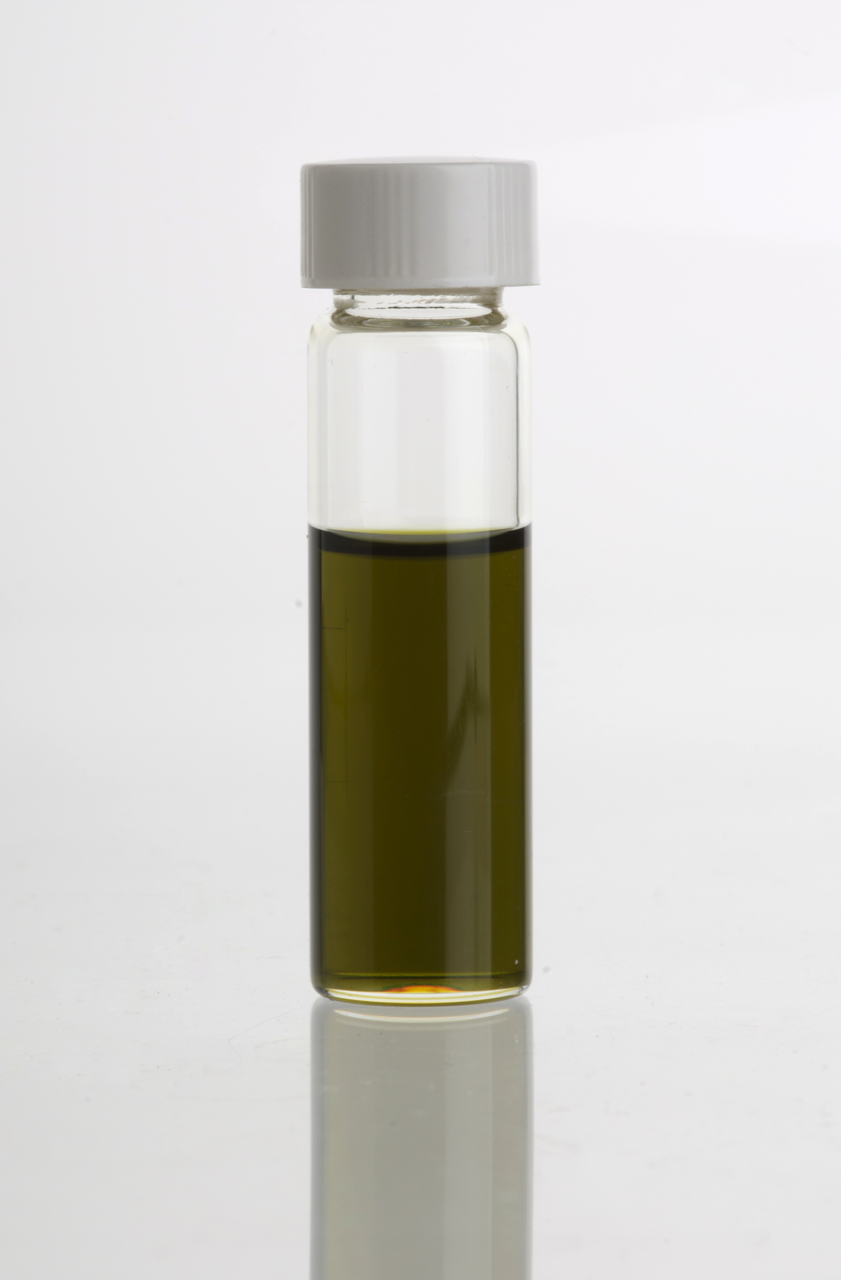


Characteristics and composition
The scent of bergamot oil is often described as a sweet, slightly bitter citrus with a soft floral facet. Chemically the oil contains a mixture of volatile terpenes and oxygenated compounds commonly including linalyl acetate, linalool, and limonene alongside minor constituents known as furocoumarins. These constituents account for the perfume-like top notes and for some biological effects attributed to the oil.
Production and varieties
Most commercial bergamot oil is produced by cold-pressing the peel of Citrus bergamia. Regions that have historically been important producers include southern Italy and parts of the Mediterranean; cultivation also occurs elsewhere with suitable climates. Industrial processing can yield different grades: the expressed (cold-pressed) oil, distilled fractions, and modified products such as furocoumarin-reduced or furocoumarin-free variants marketed to reduce certain risks.
Uses and applications
Bergamot oil is widely used as a top note in perfumery and cologne, prized for its fresh, luminous character and its ability to blend with floral and woody accords. It is a traditional raw material in many fragrances and personal-care formulations; see a discussion of its role in perfumes. In food and beverage production, a small amount of bergamot oil flavoring gives Earl Grey tea its distinctive aroma and taste — a practice that links the oil closely with this popular blend Earl Grey tea. The oil is also used in confectionery and specialty liqueurs as a flavoring agent flavoring.
Safety, regulation and distinctions
A noteworthy safety consideration is phototoxicity: some bergamot oils contain furocoumarins such as bergapten that can sensitize skin to sunlight and cause burns or pigmentation changes after topical application. To address this, manufacturers offer bergapten-reduced or furocoumarin-free (FCF) grades for cosmetic and topical uses. As with other aromatic materials, dilution guidelines, patch testing, and regulatory limits apply in cosmetics and foods; claims about therapeutic benefits should be treated cautiously and supported by clinical research.
History and notable facts
The bergamot orange and its oil have a long association with fragrance and flavor dating back centuries. The name and precise botanical origins are subjects of historical interest, and cultivation has been particularly important economically in certain Mediterranean regions. Modern commerce also uses synthetic aroma chemicals that mimic aspects of bergamot’s character when consistency, cost or regulatory concerns make natural oil impractical.
- Main aroma profile: bright citrus with floral and slightly bitter notes.
- Common constituents: linalyl acetate, linalool, limonene, minor furocoumarins.
- Primary uses: perfumery, flavoring (notably Earl Grey), aromatherapy, cosmetic formulations.
- Key precautions: possible phototoxicity; use of FCF grades for topical safety.
Related articles
Author
AlegsaOnline.com Bergamot essential oil Leandro Alegsa
URL: https://en.alegsaonline.com/art/10683