
Water scarcity: causes, impacts, and responses
An overview of water scarcity: what it is, key causes both natural and human, consequences for societies and ecosystems, historical context and practical responses to reduce shortages.
Overview
Water scarcity refers to the insufficient availability of usable fresh water to meet the needs of people, agriculture, industry and ecosystems. For most terrestrial life, water must be drinkable — low in salts and contaminants — because seawater's high salt content is not suitable for direct consumption or most crops. Scarcity can mean physical shortage, when supplies are limited, or economic shortage, when infrastructure and institutions are inadequate to deliver clean water.
Image gallery
10 Images




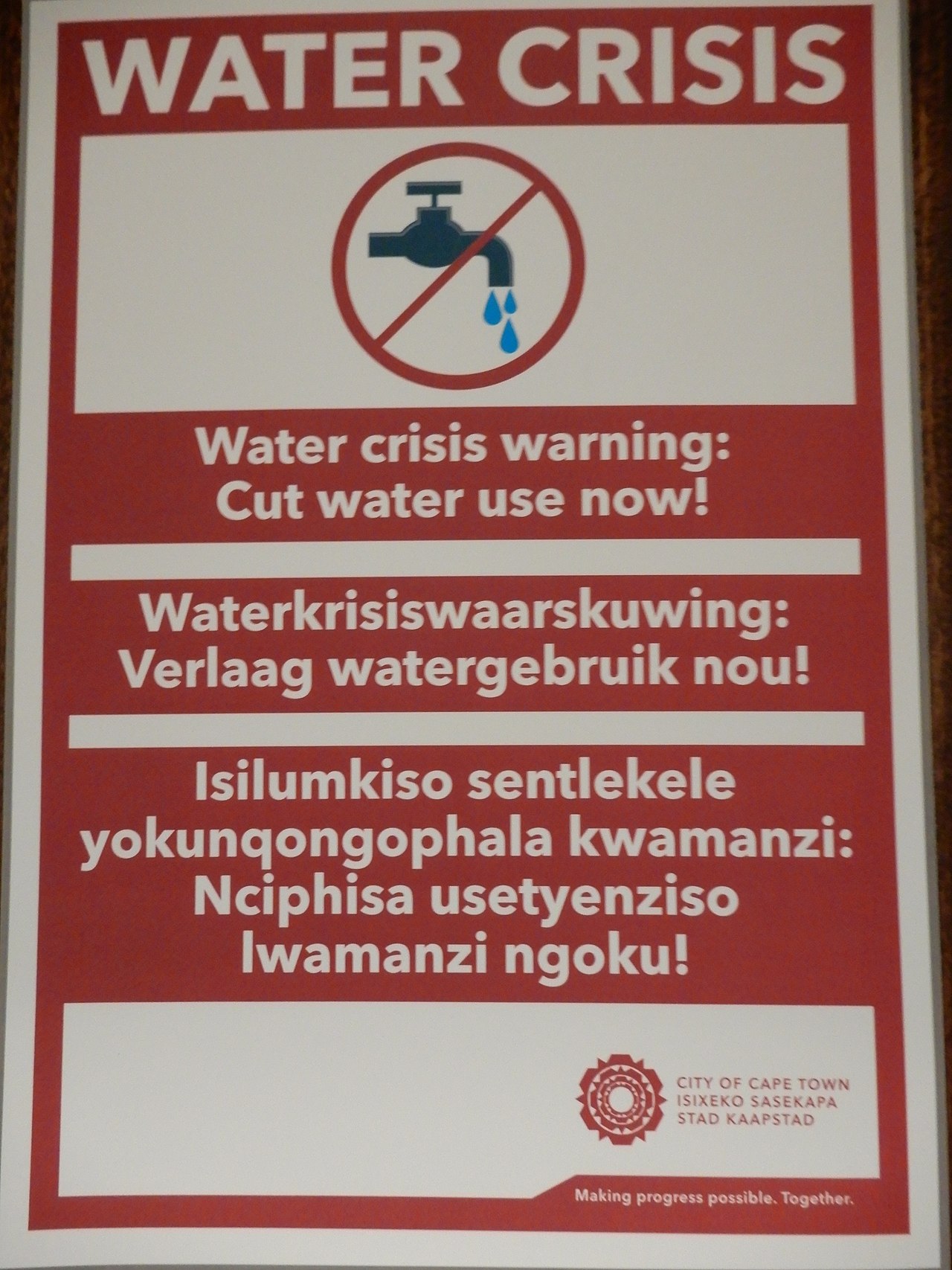


Characteristics and types
Clean water implies not only low salinity but also freedom from pathogens and pollutants; water free of parasites and harmful microbes is essential for public health. Shortages may be chronic or seasonal, localized or widespread, and are measured by availability per person, reliability of supply, and quality. Places classed as arid or polluted face different challenges: deserts lack rainfall, while urban and industrial areas may have contamination that renders water unsafe.
Causes
- Natural factors: Variability in climate and weather, prolonged droughts, and changing precipitation patterns can reduce renewable freshwater sources.
- Human factors: Rapid population growth, rising demand for food and goods, and over-consumption or inefficient use of water for irrigation and industry shrink available supplies.
- Pollution and governance: Industrial effluent, agricultural runoff and poor waste management pollute water, while weak governance and underinvestment in systems prevent access to safe supplies.
Impacts and importance
Water scarcity is a social, environmental and economic challenge. On the social side, lack of safe water increases disease and burdens households, especially women and children who often collect water. Environmentally, depleted rivers and aquifers harm wetlands, biodiversity and soil health. Economically, industries and agriculture suffer productivity losses and higher costs. Public health risks rise when people rely on unsafe sources contaminated with bacteria and other pathogens.
Responses and solutions
Addressing scarcity combines technical, policy and behavioral measures. Typical approaches include:
- Conservation and efficiency: better irrigation practices, water-saving appliances and pricing instruments to reduce waste.
- Supply augmentation: rainwater harvesting, wastewater treatment and reuse, and desalination where feasible.
- Pollution control and protection of source waters to ensure quality for human use and ecosystems.
- Institutional reforms: integrated water resources management, transparent allocation and investment in infrastructure.
History and notable facts
Engineering and public-health advances have long shaped water availability. For example, 19th-century efforts to separate sewage and drinking supplies drastically reduced diseases such as cholera in cities and set patterns for modern waterworks. Today the challenge is compounded by higher demands and changing climates, requiring coordinated planning across sectors and borders. Practical local measures — protecting watersheds, treating wastewater, and improving delivery systems — can significantly reduce shortages even where supplies are limited.
Distinctions and concluding notes
It is important to distinguish between lack of water quantity and lack of water quality: both can cause scarcity in different ways. Long-term solutions combine protecting aquatic ecosystems, improving governance, and investing in technologies and behaviors that lower per-capita use while expanding safe access. Collaborative management and informed policies remain central to reducing the human and environmental costs of water scarcity.
Questions and answers
Q: What is water scarcity?
A: Water scarcity is a lack of fresh water.
Q: Why can't humans and most land animals drink sea water?
A: Humans and most land animals cannot drink sea water because it has a high salt content which they cannot deal with.
Q: What did Joseph Bazalgette do to help the need for clean water?
A: Joseph Bazalgette found out how to keep water free of cholera, which was a great help in meeting the need for clean water.
Q: What are some effects of population growth on the demand for fresh water?
A: Population growth has increased the demand for fresh water beyond what original systems were designed to provide, making it difficult to meet the need for clean drinking water without harmful bacteria or parasites.
Q: What are some common human causes of water scarcity?
A: Common human causes of water scarcity include over-consumption, bad governance, pollution, and increases in the demand for water.
Q: How does global warming affect the need for fresh drinking water?
A: Global warming tends to increase the need for fresh drinkingwater by all land animals including humans.
Q: Are both natural and human causes responsible for causing changes in availability of freshwater?
A: Yes, both natural and human causes can be responsible for causing changes in availability of freshwater.
Related articles
Author
AlegsaOnline.com Water scarcity: causes, impacts, and responses Leandro Alegsa
URL: https://en.alegsaonline.com/art/106810
Sources
- unesdoc.unesco.org : "Water, a shared responsibility"
- fao.org : "Hot issues: Water scarcity"
- documents.worldbank.org : "Water and Climate Change: Understanding the Risks and Making Climate-Smart Investment Decisions"