
Washington County, Utah: Geography, History, and Modern Overview
Washington County is the southwesternmost county of Utah, with St. George as its county seat. Known for rapid growth, desert landscapes, outdoor recreation and a history tied to early Mormon settlement.
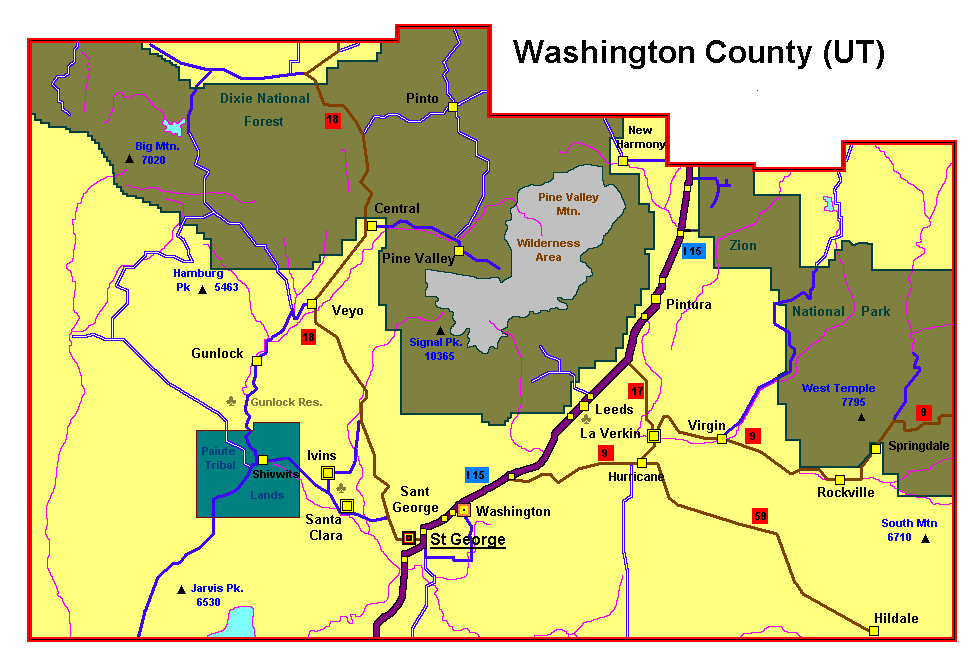
Washington County lies in the southwestern corner of Utah within the United States. According to the 2010 United States Census, the county had a population of 138,115. Its principal city and administrative center is St. George, which functions as the county seat (county seat) and the largest urban area in the region. The county takes its name from George Washington, reflecting a common 19th‑century practice of honoring national figures.
Image gallery
6 Images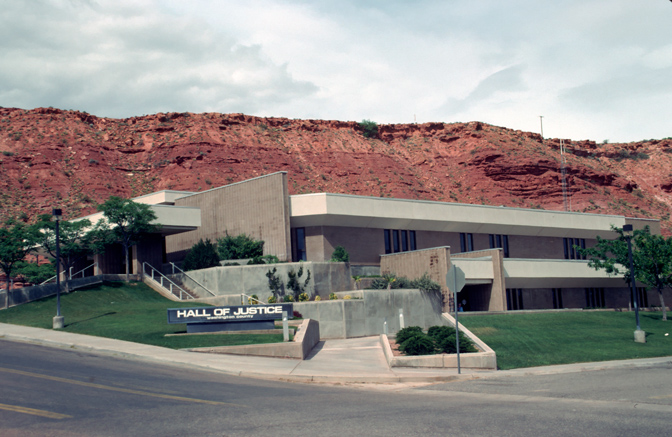


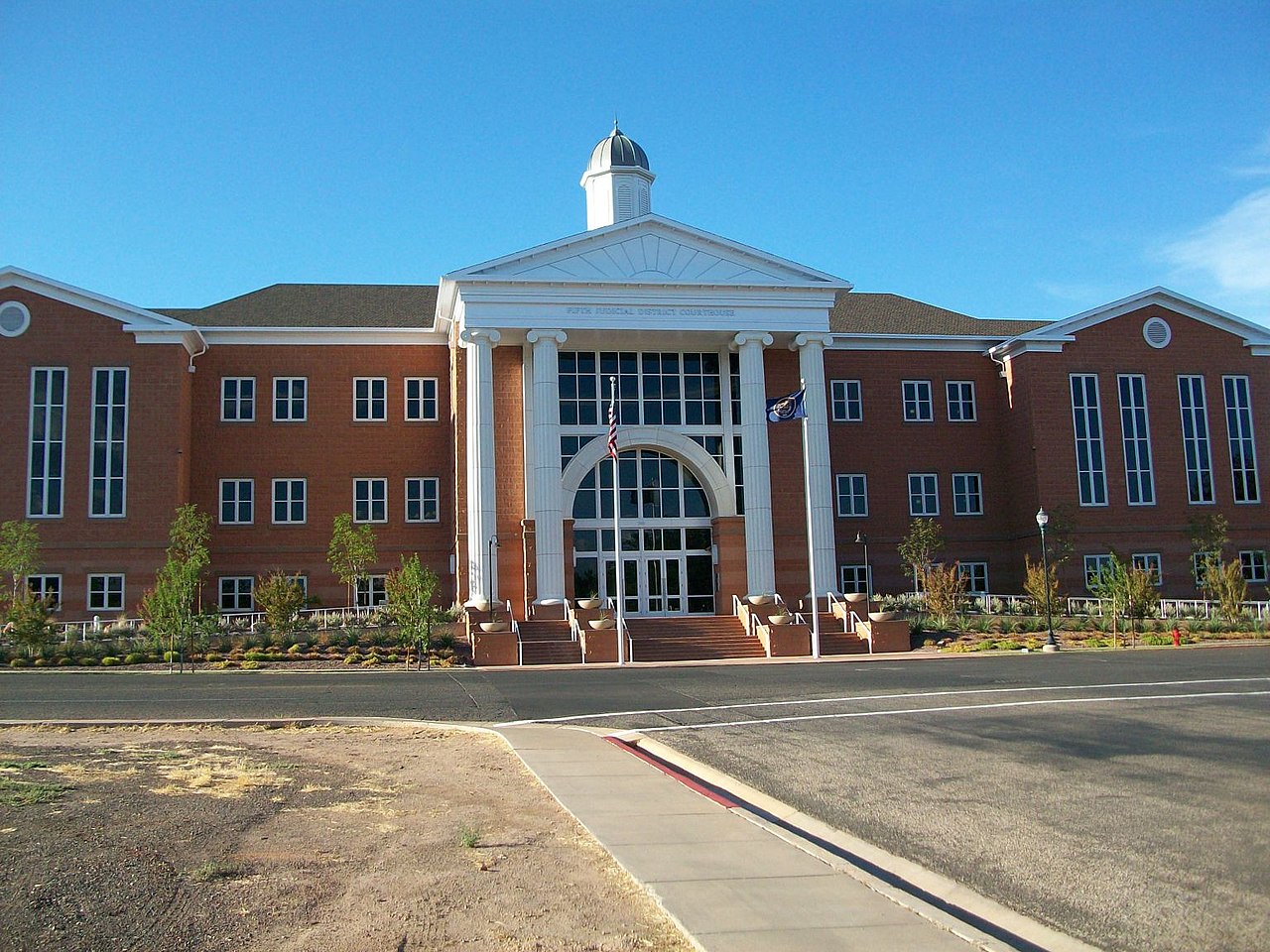
Geography and climate
Washington County occupies a transitional zone where the higher Colorado Plateau gives way to lower desert basins. The landscape combines red-rock cliffs, mesas, and broad valleys. The climate is generally arid to semi‑arid: summers are hot and dry at low elevations while winters are mild, with cooler conditions at higher terrain. Interstate corridors and a network of state routes connect communities and outdoor destinations.
History and settlement
The county’s modern settlement dates to 19th‑century pioneers and agricultural efforts in southern Utah. Early settlers attempted cotton and other crops in the warm microclimates, a legacy that contributed to the region’s informal nickname of "Dixie." Over time, small agricultural towns evolved into larger municipalities anchored by St. George and nearby communities.
Economy, growth and communities
In recent decades the county has experienced sustained growth driven by retirement migration, service industries, and tourism. Major local activities include hospitality, retail, healthcare, construction, and outdoor recreation businesses. Notable communities in the county include St. George, Hurricane, Santa Clara and Ivins, which together form the core of the populated corridor along the valley floor.
Recreation and protected areas
Outdoor recreation is central to the county’s character. Visitors and residents use nearby national and state parks, scenic canyons, hiking trails and rock‑climbing areas. The region’s scenery and warm winter climate make it a year‑round destination for hiking, cycling and nature tourism.
Government and resources
County government provides local services, land planning, and infrastructure for a mixture of urban neighborhoods and rural landscapes. For official information and statistical resources consult local and federal sources: county and state agencies and the U.S. federal statistical programs. Additional background on the county, its municipalities and public lands can be found through regional visitor bureaus and historical societies (Washington County, Utah).
Related articles
Author
AlegsaOnline.com Washington County, Utah: Geography, History, and Modern Overview Leandro Alegsa
URL: https://en.alegsaonline.com/art/106695
Sources
- quickfacts.census.gov : "State & County QuickFacts"
- naco.org : "Find a County"