
President of the United States of America
The President of the United States is the nation's head of state and government, elected every four years to lead the executive branch and represent the country at home and abroad.
The President of the United States serves as both the head of state and the head of government of the United States. As the highest elected official in the federal system, the president leads the executive branch, represents the country internationally, and plays a central role in shaping national policy and public life.
Image gallery
10 Images
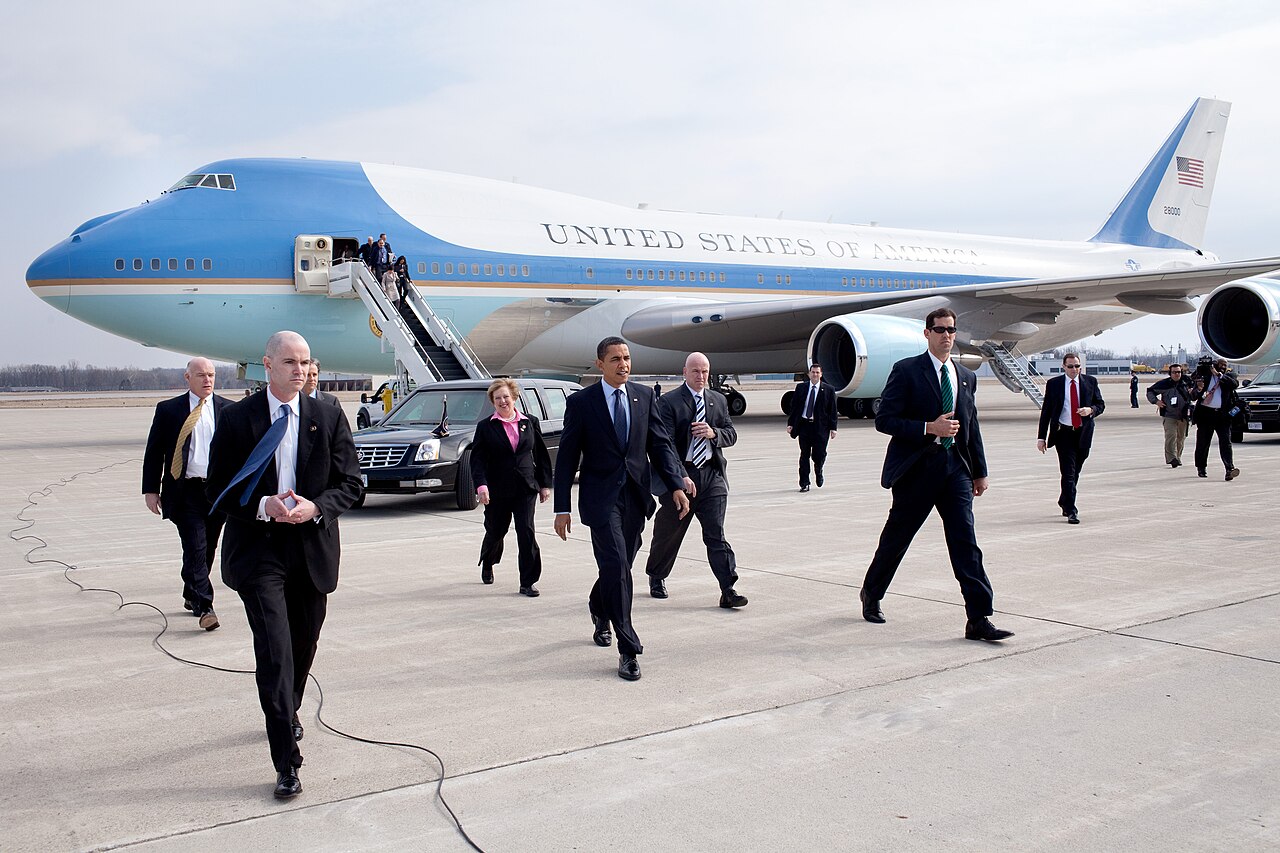





Constitutional role and powers
The U.S. Constitution assigns several core responsibilities to the president. These include acting as commander-in-chief of the armed forces, conducting diplomacy and receiving foreign ambassadors, enforcing federal law, and recommending measures to Congress. The president also makes key appointments (with Senate consent), negotiates treaties, and holds the power to grant pardons for federal offenses.
Selection, term and removal
Presidents are chosen in nationwide elections held every four years, via a system that includes the Electoral College. Constitutional requirements include being a natural-born citizen, at least 35 years old, and a resident for at least 14 years. The 22nd Amendment limits most presidents to two elected terms. Removal mechanisms include impeachment by the House of Representatives and conviction by the Senate; the 25th Amendment clarifies procedures for presidential disability and succession.
Typical tools of presidential power include executive orders, budget proposals, vetoes of legislation, and the leverage of party leadership and public communication. Many routine tasks are carried out through the Cabinet and the Executive Office, which provide policy advice and administrative support.
Historically, the office has evolved since 1789. Early presidents established precedents that shaped the role; over time, crises, wars, and technological change expanded the scope and visibility of presidential leadership. Landmark moments—such as wartime authority, social reform initiatives, and economic interventions—have often redefined expectations of the presidency.
Distinctive features of the U.S. presidency include the combination of head-of-state and head-of-government functions in one office, limited constitutional tenure, and a balance of powers with Congress and the judiciary. The president's influence reaches domestic policy and foreign relations alike, making the office central to American political life and global diplomacy.
Related articles
Author
AlegsaOnline.com President of the United States of America Leandro Alegsa
URL: https://en.alegsaonline.com/art/78909