
Bodies of Water of Azerbaijan
Overview of Azerbaijan's rivers, lakes, reservoirs and canals, their origins, uses, and role within the Caspian Sea drainage basin.
The water bodies of Azerbaijan form an interconnected system of natural and artificial features: rivers, lakes, reservoirs and canals. Most streams and inland waters contribute to the national economy, ecology and settlements, and together they shape landscapes from the Greater Caucasus to the lowlands beside the Caspian Sea.
Image gallery
8 Images

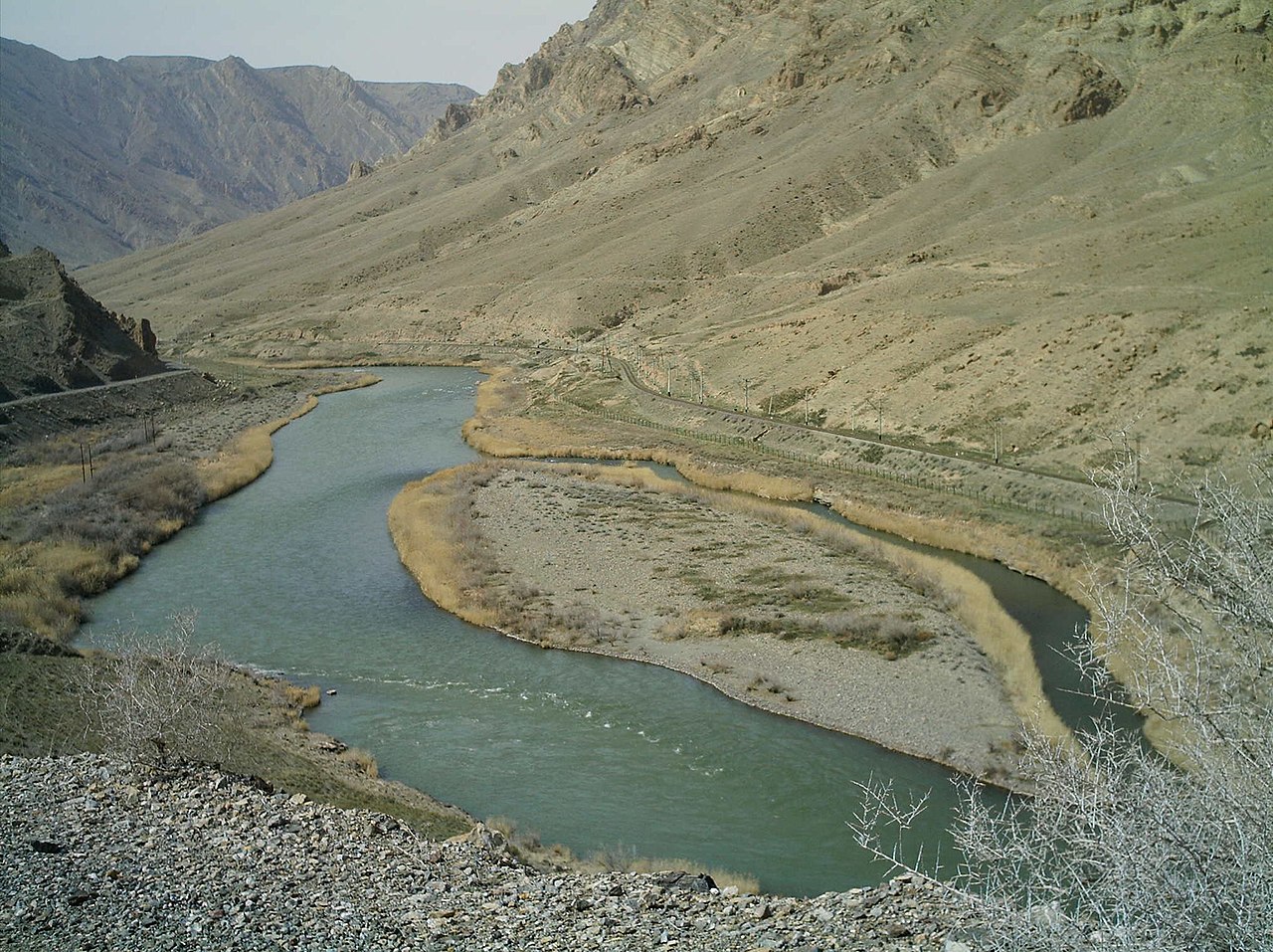


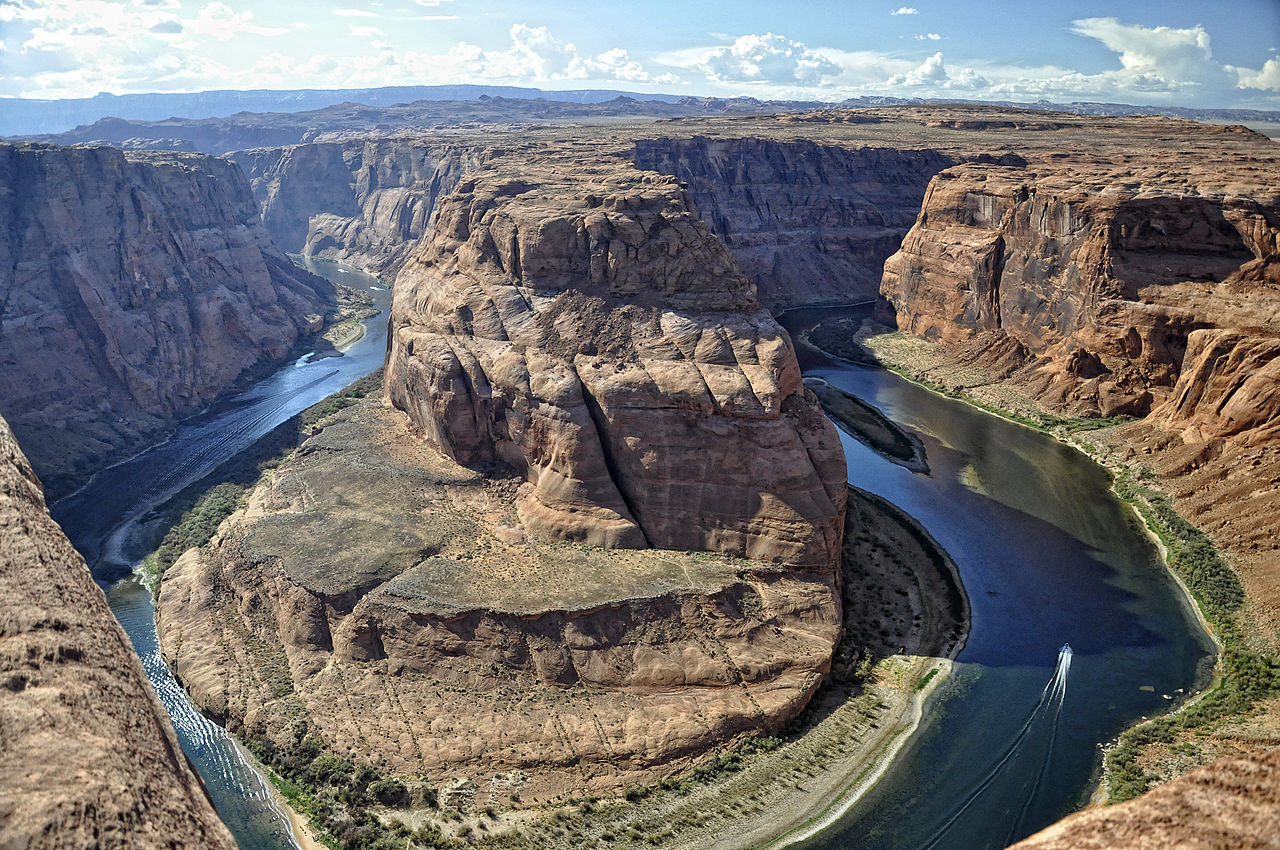


Main categories
Hydrological elements in Azerbaijan are commonly grouped as:
- Rivers — primarily fed by rain and mountain snowmelt, with both perennial and seasonal flows.
- Lakes — including natural lakes of varied origin and man-made reservoirs.
- Canals — engineered waterways built for irrigation, drainage and navigation.
- Artificial features — reservoirs and canals that modify natural river courses for human use.
Major rivers and lakes
The largest river network in Azerbaijan is the Kura–Aras system, which drains much of the country toward the Caspian. Other important rivers arise in the Caucasus and flow to the lowlands. Notable standing waters include natural mountain lakes and large reservoirs created for irrigation, water supply and hydroelectricity. These names and places are central to regional water management and local cultures.
Origins and hydrography
The general hydrography of the country largely belongs to the drainage basin of the Caspian Sea. Mountain ranges intercept precipitation, producing snowmelt that feeds rivers in spring and summer. Many smaller basins and lakes reflect local geology — tectonic basins, glacial cirques or landslide-dammed valleys — while artificial reservoirs alter seasonal patterns.
Uses, importance and challenges
Water bodies are essential for irrigation of agricultural plains, urban water supply, fisheries and hydroelectric power. Canals redistribute water to drier regions; reservoirs store runoff for dry periods. At the same time, pressures such as pollution, overuse, and changes from dam construction affect water quality, habitats and river flows, creating management challenges.
Notable distinctions and further reading
- Drainage direction: virtually all major rivers ultimately flow to the Caspian.
- Natural vs artificial: many important lakes today are reservoirs created in the 20th century.
- Seasonality: mountain-fed rivers show strong spring floods and lower summer flows.
For lists, maps and technical descriptions consult national water inventories and reference databases via these resources: overview, river list, lake list, and engineering or policy pages at canal information, artificial waters, hydrography studies, Caspian Sea context and drainage basin.
Questions and answers
Q: What are the different types of water bodies in Azerbaijan?
A: The different types of water bodies in Azerbaijan are rivers, lakes, canals, and reservoirs.
Q: What are canals in Azerbaijan?
A: Canals in Azerbaijan are artificial rivers that are a part of the country's water systems.
Q: What are reservoirs in Azerbaijan?
A: Reservoirs in Azerbaijan are artificial lakes that are also a part of the country's water systems.
Q: What does the hydrography of Azerbaijan belong to?
A: The hydrography of Azerbaijan belongs to the Caspian Sea drainage basin.
Q: What is the Caspian Sea drainage basin?
A: The Caspian Sea drainage basin is a region where water from surrounding areas flows into the Caspian Sea.
Q: Are all the water bodies in Azerbaijan natural?
A: No, not all water bodies in Azerbaijan are natural. Canals and reservoirs are artificial and man-made.
Q: Why are canals and reservoirs important in Azerbaijan?
A: Canals and reservoirs are important in Azerbaijan as they form a part of the country's water systems and help in the management and distribution of water resources.
Related articles
Author
AlegsaOnline.com Bodies of Water of Azerbaijan Leandro Alegsa
URL: https://en.alegsaonline.com/art/106782
Sources
- eco.gov.az : "Rivers, Lakes and Reservoirs of Azerbaijan Republic"
- dtxk.gov.az : "Inland waters"