
Waterfront: definition, types, uses and management
A waterfront is land beside a body of water. This article explains types, common features, history of development, uses, environmental importance, and planning considerations.
The waterfront is the area of land immediately adjacent to a body of water. In everyday use the term covers beaches, riverbanks, lakeshores and oceanfront property; it can be natural or altered by human structures such as piers, seawalls and marinas. For a basic definition see shoreline and waterfront, and for general context about bodies of water see related resources. Examples of water bodies often associated with waterfronts include a lake and an ocean.
Image gallery
5 Images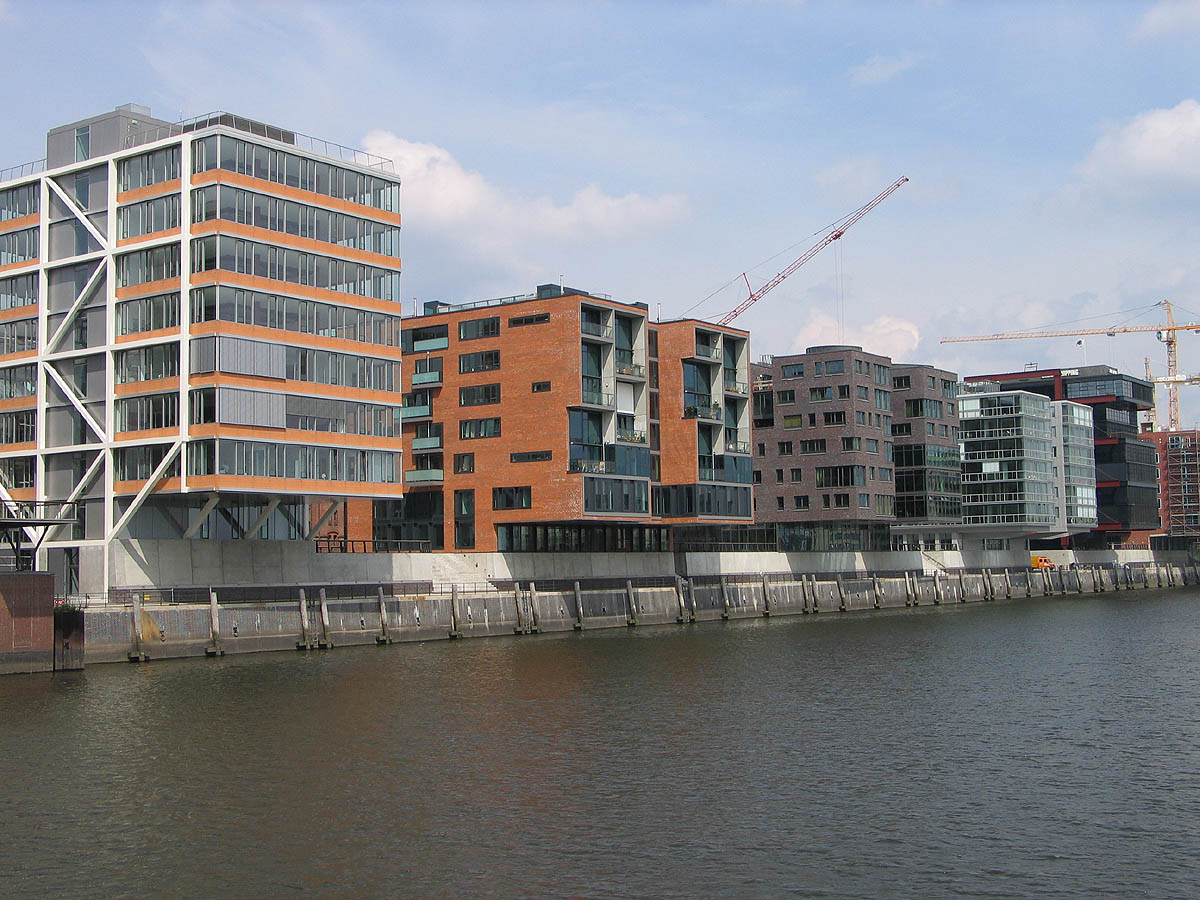


Typical characteristics and elements
Waterfronts vary widely but commonly include beaches, dunes, tidal flats, marshes, riverbanks, promenades and built elements like docks, piers, bulkheads and breakwaters. Many waterfronts feature public amenities such as boardwalks, parks and viewpoints designed to balance access with erosion control and habitat protection.
History and development
Historically, waterfronts have been focal points for settlement, trade and industry because they provided transport and resources. Over time many industrial waterfronts were redeveloped for housing, recreation and tourism, a process that often required environmental cleanup and new planning to restore public access and ecological function.
Uses and importance
- Economic: ports, fisheries, tourism and waterfront commerce.
- Recreational: swimming, boating, fishing and promenades.
- Ecological: wetlands and riparian zones that support biodiversity and water quality.
- Protective: natural and engineered features that reduce flooding and erosion.
Planning, management and notable distinctions
Managing a waterfront involves land-use planning, environmental regulation, access rights and infrastructure maintenance. Planners weigh public access against private property and conservation goals while preparing for sea-level rise and storms. It is useful to distinguish the term 'waterfront' from related concepts: 'shoreline' or 'littoral' refer more narrowly to the immediate edge of water, whereas 'waterfront' often implies adjacent land uses and human activities. For further reading about policy and stewardship, consult local planning guidance or regional resources such as local waterfront programs.
Waterfronts remain vital cultural and ecological interfaces between land and water, important for communities, commerce and the natural environment. Thoughtful design and management can preserve their values while adapting to environmental change.
Related articles
Author
AlegsaOnline.com Waterfront: definition, types, uses and management Leandro Alegsa
URL: https://en.alegsaonline.com/art/106838