
St. George, Utah — city in Washington County
St. George is a regional city in southwestern Utah, county seat of Washington County. Known for a warm desert climate, outdoor recreation and rapid growth; population was 72,897 in 2010.
Overview
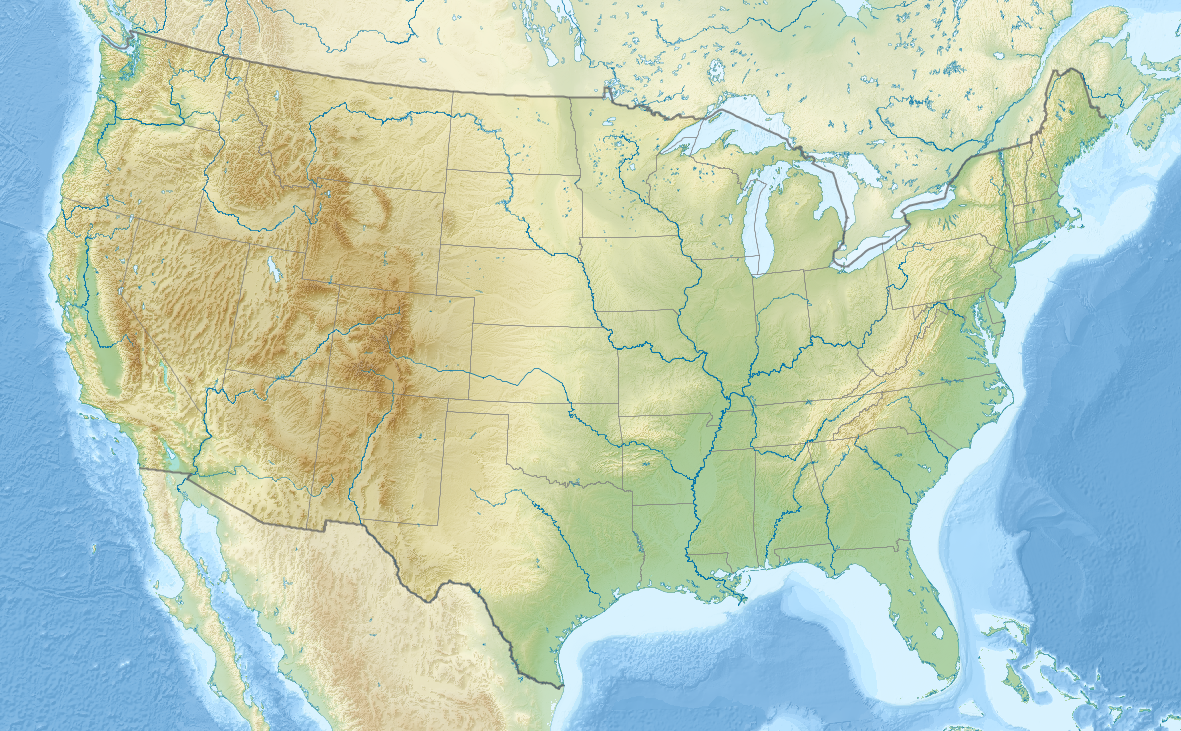
St. George is the largest city and county seat of Washington County in southwestern Utah. It sits near the Utah–Nevada border and is within driving distance of both Las Vegas and Salt Lake City. The 2010 census recorded a population of 72,897; the city has been notable for sustained population and economic growth since the late 20th century.
Image gallery
10 Images







Geography and climate
Set in a high desert landscape, St. George combines red-rock canyons and broad valley floors. The local climate is warm and dry, with hot summers, mild winters and relatively low annual precipitation. Interstate 15 is the primary north–south route serving the city and connecting it with regional destinations.
History and development
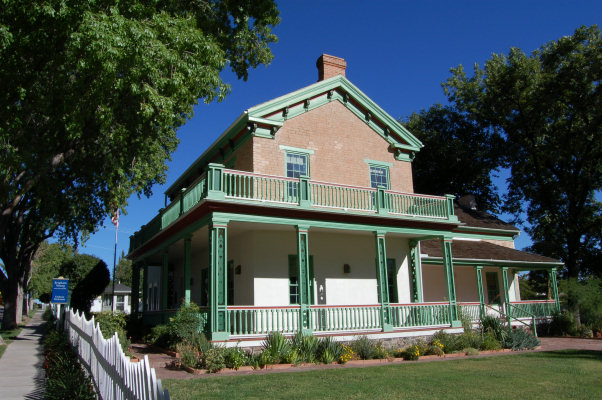
The community traces its origins to mid-19th century Mormon settlement. Early settlers established farms and orchards and experimented with cotton and other crops suitable to the arid environment. The area acquired the informal nickname "Dixie" in reference to early cotton-growing efforts; that regional identity influenced local institutions for many decades.
Economy, institutions and culture
St. George functions as a regional service center for southwestern Utah. Its economy combines tourism, health care, retail, education and construction. The city is home to a public university that evolved from a community college into a four-year institution and has served as a cultural and educational anchor. Arts festivals, performing venues and community events contribute to a growing local cultural scene.
Recreation and attractions
Outdoor recreation is a major draw. Nearby protected areas and parks offer hiking, climbing, mountain biking and scenic drives. Popular destinations and features include:
- Snow Canyon State Park and local red-rock formations
- Red Cliffs Desert Reserve and other conservation areas
- Access to Zion National Park and regional trail networks
- Golf courses and year-round outdoor amenities
Notable facts and distinctions
St. George is recognized for its warm winter climate, which attracts seasonal visitors and retirees. The city contains historic sites tied to its pioneer past as well as modern developments that reflect rapid growth. For regional information see Washington County resources.
Author
AlegsaOnline.com St. George, Utah — city in Washington County Leandro Alegsa
URL: https://en.alegsaonline.com/art/146032