
Walton County, Florida: overview, geography, history and attractions
Walton County is a coastal county in the Florida Panhandle, established in 1824 with DeFuniak Springs as its county seat; known for Gulf beaches, state parks, historic downtowns and a mixed tourism and agricultural economy.
Walton County is a county in the northwestern part of the U.S. state of Florida, created on December 29, 1824. The county seat is DeFuniak Springs, a small inland city remembered for its Victorian architecture and the large, circular lake at its center. The county combines a scenic coastline on the Gulf of Mexico with inland forests, lakes and small towns.
Image gallery
8 Images



Geography and environment
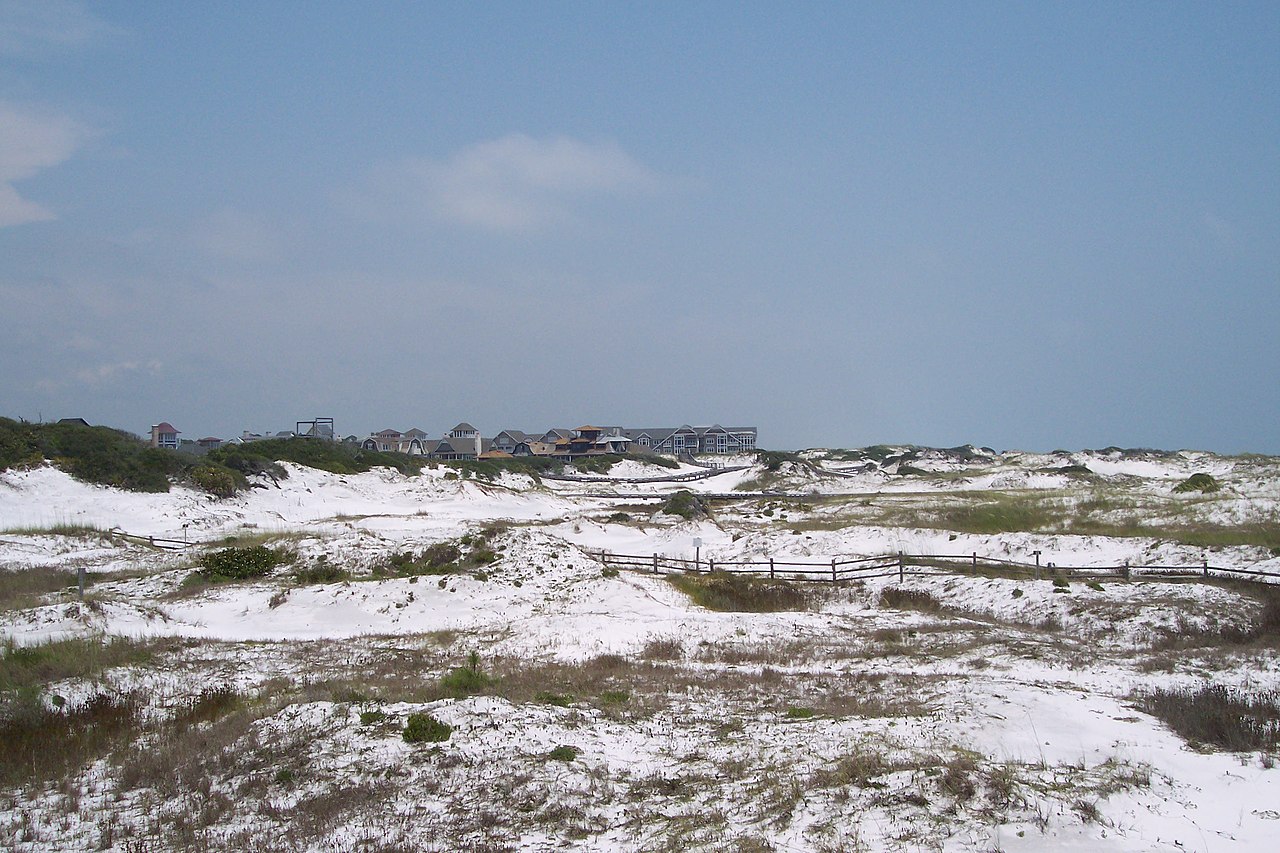
Walton County lies in the Florida Panhandle and includes several miles of Gulf shoreline. The coastal zone features white-sand beaches, dunes and coastal dune lakes — rare natural formations that support diverse plant and animal life. Inland areas transition to pine flatwoods, freshwater lakes and mixed hardwood stands. Much of the shoreline is accessible by a scenic corridor and a number of state-managed parks and conservation areas protect habitats while offering trails and public recreation.
History and development
Formed in the early territorial period, Walton County is among Florida's older counties. It was named in honor of a historical figure associated with the American Revolutionary era. Settlement patterns shifted over the nineteenth and twentieth centuries from timber and agriculture toward more tourism-oriented activity along the coast. DeFuniak Springs grew as a cultural center around late-19th-century lecture assemblies and retains a number of historic buildings and a distinct downtown character.
Economy, tourism and culture
The local economy mixes tourism, service industries and remaining agricultural and forestry operations. Coastal communities draw visitors for beach recreation, fishing and watersports, particularly during warmer months. Nearby state parks, nature preserves and scenic drives are important outdoor attractions. Inland DeFuniak Springs offers museums, historic districts and community festivals that reflect the county's heritage.
Government, services and transportation
Walton County is governed by an elected county commission and provides standard local services including public schools, libraries and parks. Transportation is oriented around coastal highways and local roads that connect beach communities with inland towns; public transit options are limited and many residents and visitors rely on automobiles. Educational services include local school districts and post-secondary institutions with regional campuses or partnerships.
Points of interest and practical notes
- Beaches and coastal state parks popular for relaxation, birding and water recreation.
- DeFuniak Springs' historic lake and downtown area, which hosts cultural events and preserves local history.
- Outdoor opportunities such as hiking, paddling and shore fishing across dunes, forests and lakes.
As of 2012 the county's population was about 57,582, a figure that has changed since then with continued residential and visitor development. For general information and local resources see the county page and Florida state information: state overview and additional county resources at Walton County. For visitors or researchers, DeFuniak Springs remains a useful gateway to the county's inland history and services (city information).
Related articles
Author
AlegsaOnline.com Walton County, Florida: overview, geography, history and attractions Leandro Alegsa
URL: https://en.alegsaonline.com/art/106412