
Bento: Japanese boxed lunch — origins, components, and varieties
Bento is a Japanese packed meal built around rice and accompaniments. This article explains its typical components, containers, history, cultural role, and modern varieties such as ekiben and kyaraben.
Overview
A bento is a single-portion, packed meal originating in Japan. It is a practical, portable form of cuisine designed for consumption away from home, commonly eaten at work, school, on day trips or during commutes. Bentos range from simple homemade boxes to elaborate shop-bought arrangements and can reflect seasonal tastes, regional ingredients and personal aesthetics.
Image gallery
10 Images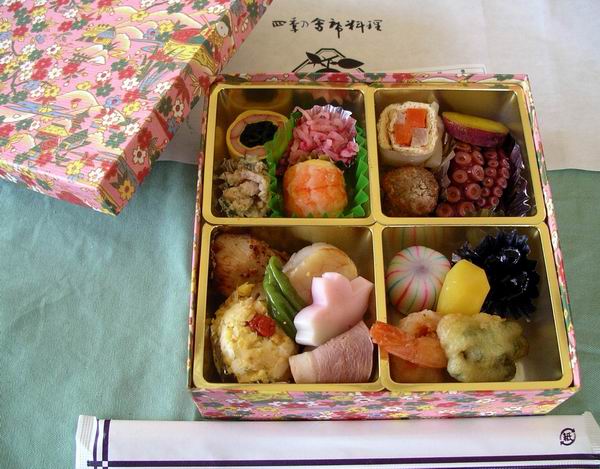




Typical components
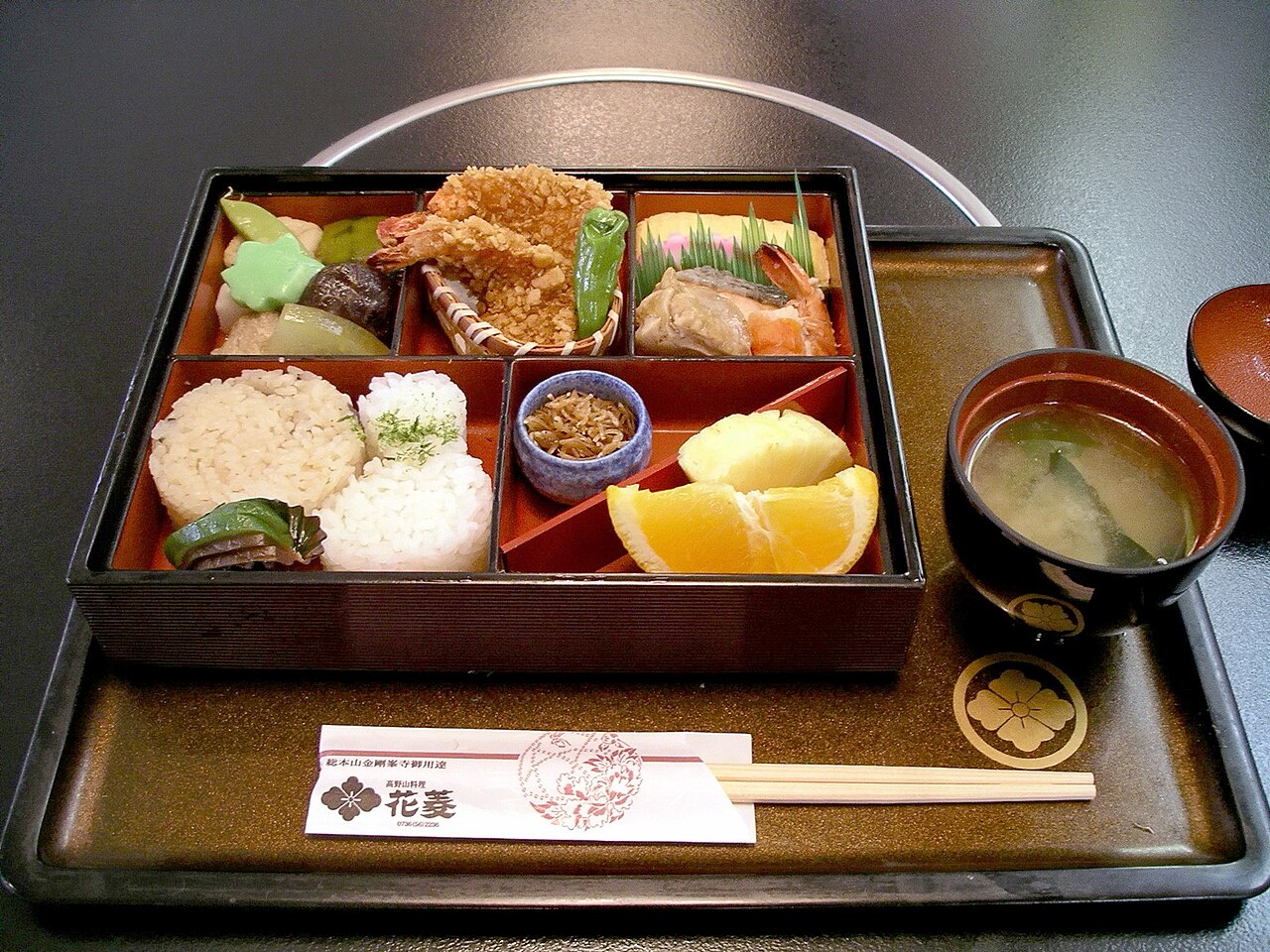
Traditional bentos are built around a starchy base with several small side dishes arranged to provide variety and balance. Common elements include:
- Rice — plain, seasoned, or shaped; sometimes replaced by noodles or bread.
- Protein — grilled fish, pan-fried meat, tamagoyaki (rolled omelette) or tofu.
- Vegetables — both pickled and cooked, chosen for color and texture contrast.
- Small condiments and garnishes to add flavor and visual appeal, such as umeboshi or sesame seeds.
Containers and presentation
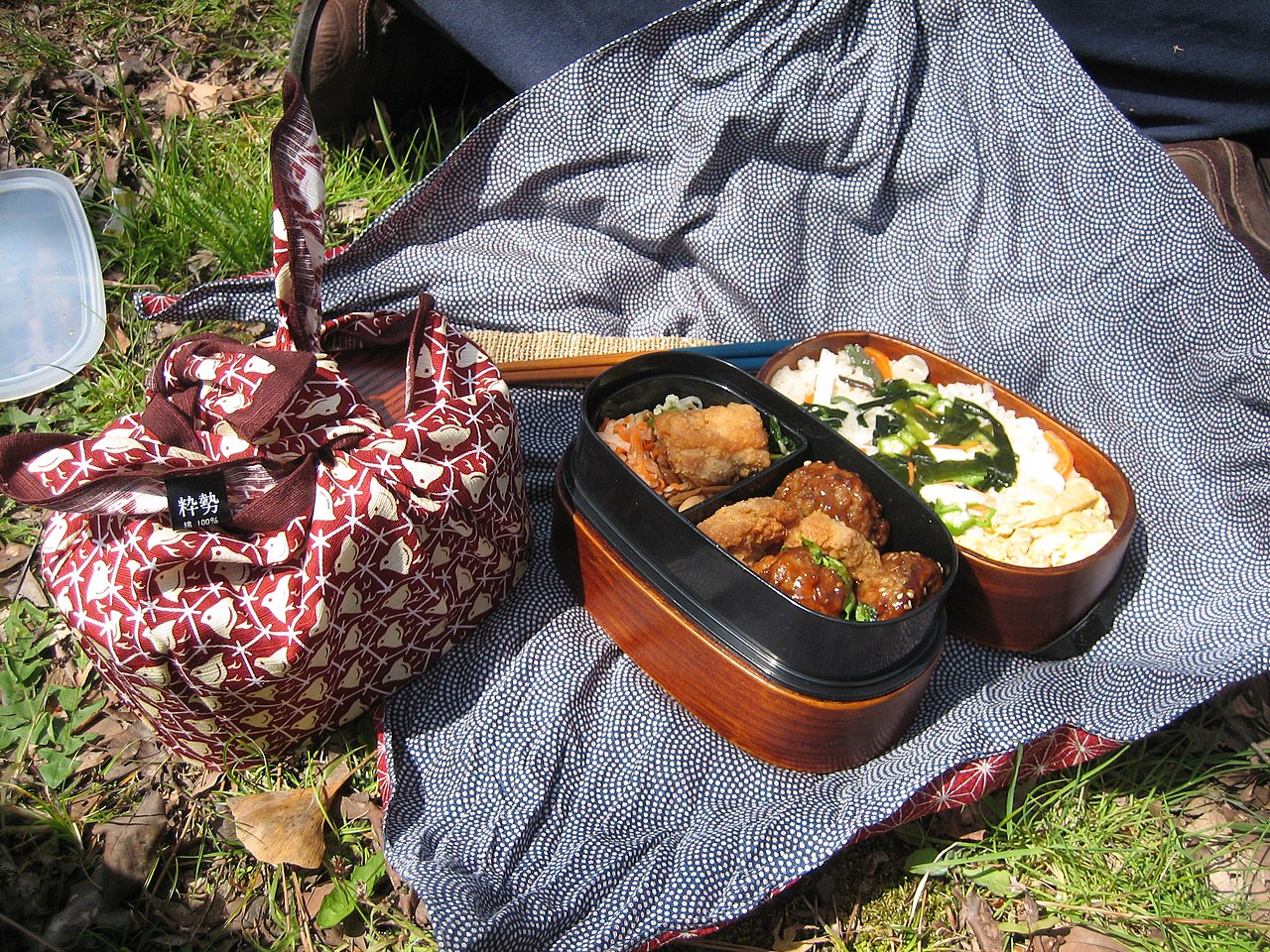
Bentos are carried in a variety of containers, from inexpensive, disposable plastic trays to crafted lacquerware and modern insulated boxes. Dividers and compartments help keep foods separate; careful arrangement both preserves flavors and creates an aesthetically pleasing presentation. The visual balance of color, shape and portion size is often considered as important as taste.
History and cultural role
The bento tradition has evolved over centuries from simple packed rations to a cultural practice reflecting seasonal events and social expectations. Preparing an attractive boxed lunch has long been regarded as a domestic skill in Japan, and many people view a well-prepared bento as an expression of care. Bentos are also associated with outdoor leisure; families and friends pack food for hanami (flower-viewing) and other outings such as a picnic.
Varieties and modern uses
Commercial and regional forms have developed to suit particular contexts. Station vendors sell train-specific bentos called ekiben, airport versions are sometimes called soraben, and food crafters create playful character-themed boxes known as kyaraben. Bentos are available at convenience stores, supermarkets and specialized shops, and are also prepared at home for schoolchildren, workers and travelers. Contemporary concerns about nutrition, convenience and sustainability have influenced container materials, portioning and ingredient choices.
Preparation, etiquette and notable facts
Making a bento involves practical steps to ensure food safety, balance and portability: cooling cooked items before packing, using absorbent separators to prevent sogginess, and including a variety of textures and colors. In public, eating a bento can be a private moment or a shared occasion; certain settings have informal etiquette, such as avoiding strong odors on crowded trains. The bento continues to be a versatile culinary form that bridges home cooking, retail food culture and visual creativity.
For further reading on specific styles and regional differences, consult specialist guides and cookbooks, or explore local vendors and markets to experience the variety firsthand.
Japan | Cuisine | Rice | Fish | Meat | Pickled | Cooked | Vegetables | Containers | Disposable | Skill | Boxed lunch | Aesthetically | Hanami | Picnic | Meal
Tags
Related articles
Author
AlegsaOnline.com Bento: Japanese boxed lunch — origins, components, and varieties Leandro Alegsa
URL: https://en.alegsaonline.com/art/10605